If you’re currently on the West side of the Mississippi, then you are more than likely being personally victimized by what I lovingly refer to as “wildfire season“.
As the bright summer sun faded away behind the billows of smoke once again, I really started to think about the fires that affect our lives on a yearly basis, and how I wish I knew more about them.
So here I am, learning and sharing some (not so) fun facts about wild fires.
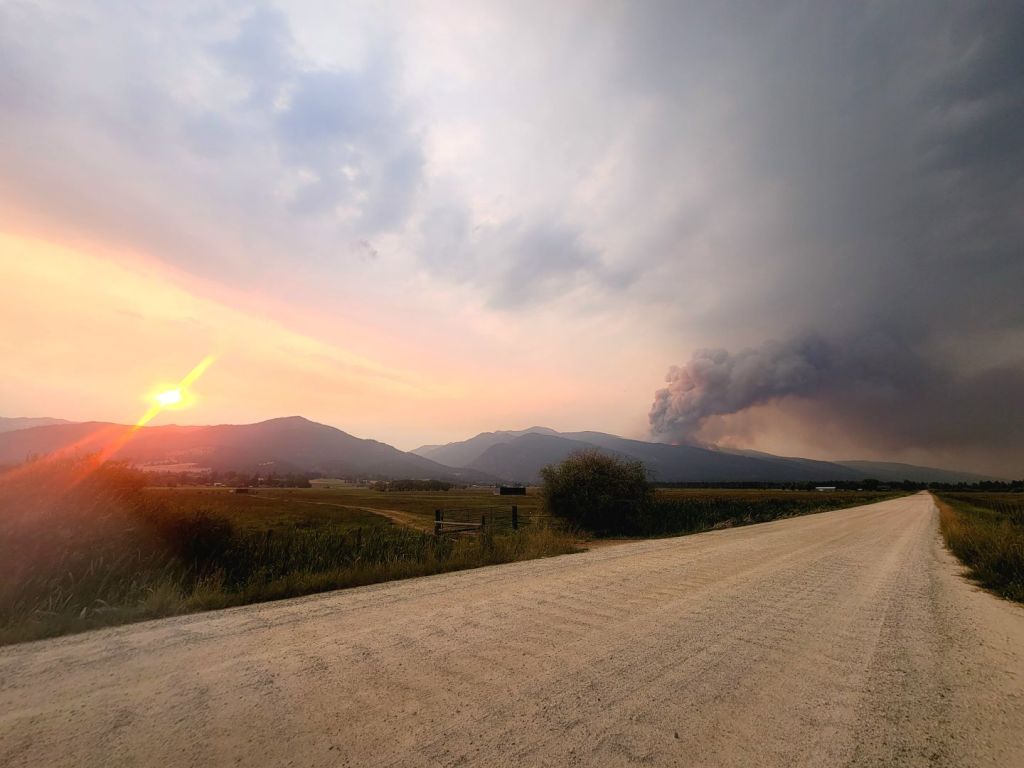
According to the NPS (U.S. National Parks Service), almost 85% of wild fires are caused by humans.*
From neglectful actions like unattended campfires and discarded cigarettes, to accidents caused by hot equipment in dry terrains – we as residents of this earth must use extreme caution in making sure we are not contributing to the disasters that wild fires quickly become.
*The other 15% of wild fires are caused naturally.
While there are cases of erupting volcanoes or fallen meteors setting forests ablaze, the main threat to our forests is the lightning. When a hot enough lightning strike meets a dry tree or piece of land, it doesn’t take long for even a small flame to catch the wind and set the hills on fire.
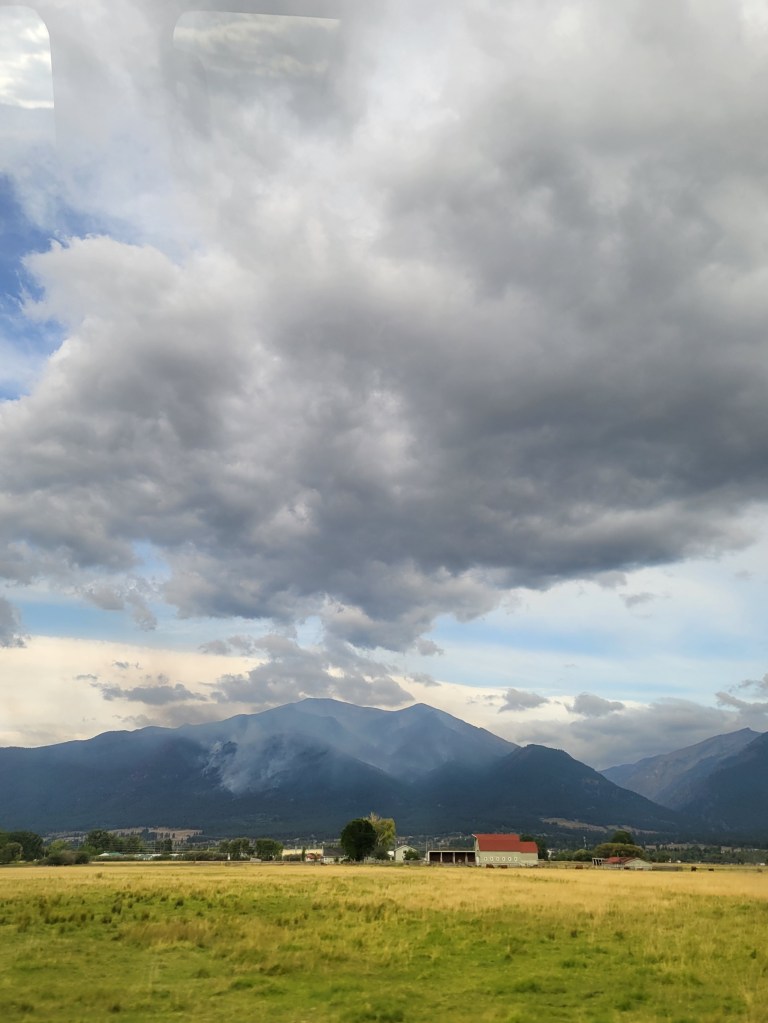
On average, the United States loses around 7,000,000 acres of land to wild fires every year.
The National Centers for Environmental Information posts monthly wild fire reports that you can find on their website. Throughout the last 20 years, an average of 7 million acres of land are burned in forest fires every year in the U.S. That’s nearly 11,000sq miles!
The U.S. Department of Agriculture’s Forest Service spends between $2-3 billion every year in wildfire suppression efforts.
Fighting these fires, whether naturally or human caused, is essential to the quality of our lives. Thousands of men and women put their lives on the line to help save our forests, homes, agriculture, air quality, and in some cases, other peoples lives. Thank a local firefighter today!
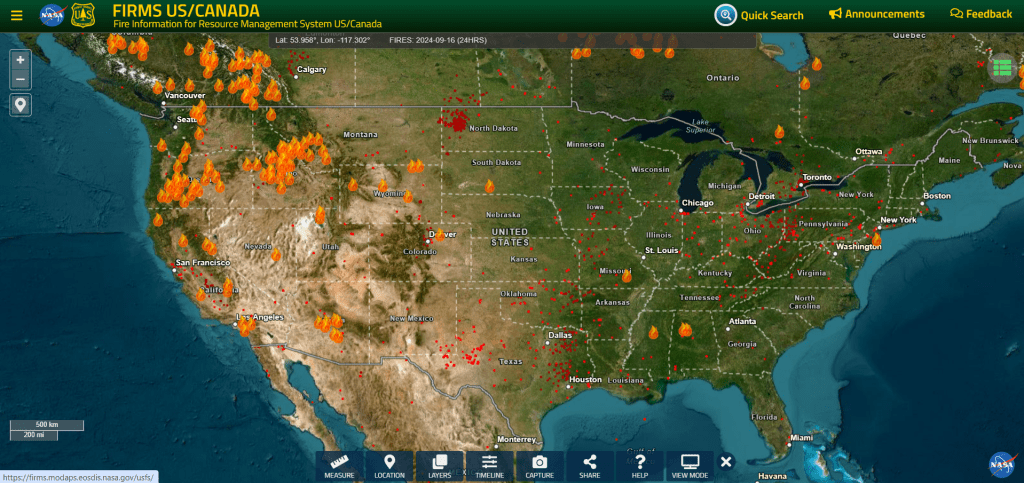
It can take up to 100 years for a forest to fully recover from forest fire damage.
This number varies greatly depending on many different factors. Some forests are restored within a 10 year period, whereas other densely burned areas can take much longer for the same plants and animals to have the opportunity to thrive there again.

Between 2020-2023 forest fires have caused the AQI to reach levels surpassing 400 in states like Washington and New York.
For reference, the AQI (Air Quality Index) scale ranges from 0-500 as follows
- 0-50 Good
- 51-100 Moderate
- 101-150 Unhealthy for sensitive groups
- 151-200 Unhealthy
- 201-300 Very unhealthy
- 301-500 Hazardous
According to the WFCA, forest fires can spread at a rate of 14.27 miles per hour!
This speed can vary based on factors like temperature, moisture, and wind. Additionally, forest fires can spread faster by something called “jumping fire”. This is when smoldering branches or leaves catch the wind and travel beyond the fire line causing the fire the spread further, faster.
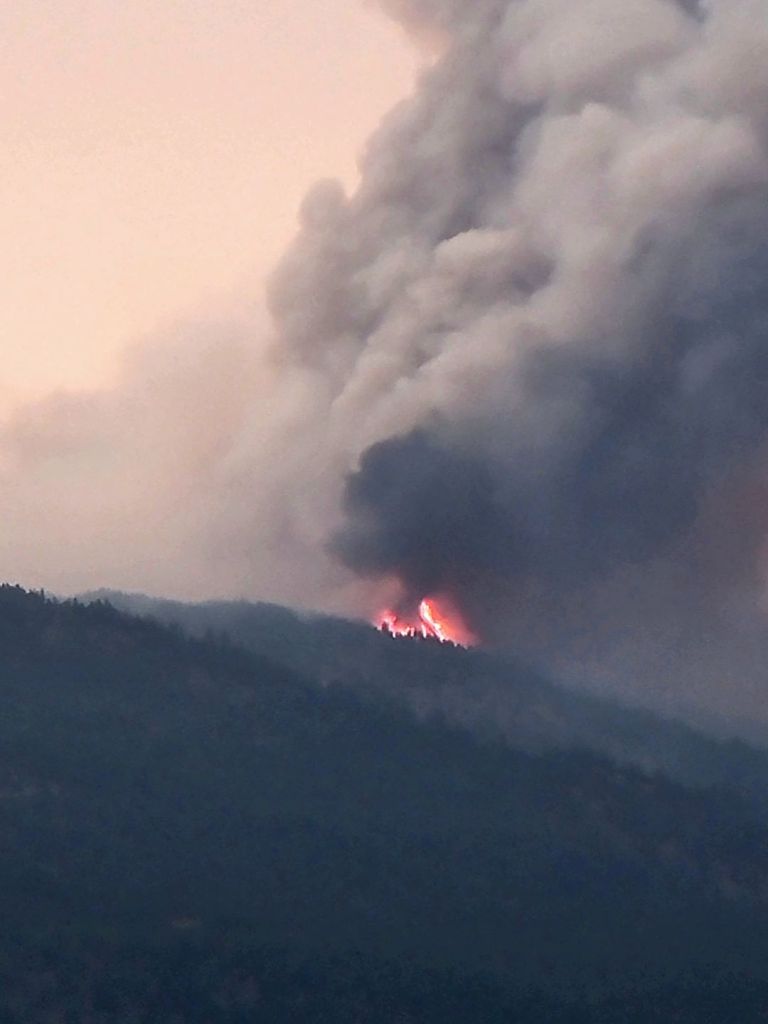
I don’t know about you, but I can’t wait for this years fire season to be over. I am ready to see green hills and blue skies once again!
I hope you all are staying safe and healthy during these smokey times, and I hope you learned a thing or two about these crazy fires.
Do you have a not-so-fun fact about wildfires? I would love to hear it in the comments!
If you want to learn more about wildfire prevention, I’ve compiled a few links to reputable sites for some great information!
American Red Cross Wildfire Prevention Information
Smokey Bear Wildfire Prevention Website
U.S. Department of the Interior Wildfire Prevention Tips
Otherwise, here are some more lighthearted reading options to help get you excited to go outside again!
Fun Forest Find: Witches Butter (Tremella Mesenterica)
2024’s Best Kept Secret To Healthy Living: Hiking
Dandelions: Uncommon Facts About A Common Weed
Thanks for reading, stay safe!
-Jessica C.
 Bigfoot's Friend
Leave a comment