Our planet is a canvas painted with an astonishing array of flowers, each boasting vibrant colors and unique forms.
From the familiar sight of pink hibiscus to the classic beauty of red roses, our gardens have been always been graced with a rainbow of colors.
But what if I told you there’s a dark side to nature? Flowers so dark, they appear black – a phenomenon that seems straight out of a Tim Burton film.
Believe it or not, a diverse collection of flowers actually exists!

Some are familiar faces with a surprising twist, while others are mysterious blooms you’ve likely never encountered.
Whether you’re a green-thumbed enthusiast, a lover of all things dark and spooky, or just eager to discover something new, get ready to be captivated.
Here are the spookiest, dark flowers that are perfect for your fall garden.
As an Amazon Associate, I may earn a commission from qualifying purchases made through the links provided on this page at no additional cost to you!
- Black Baccara Rose
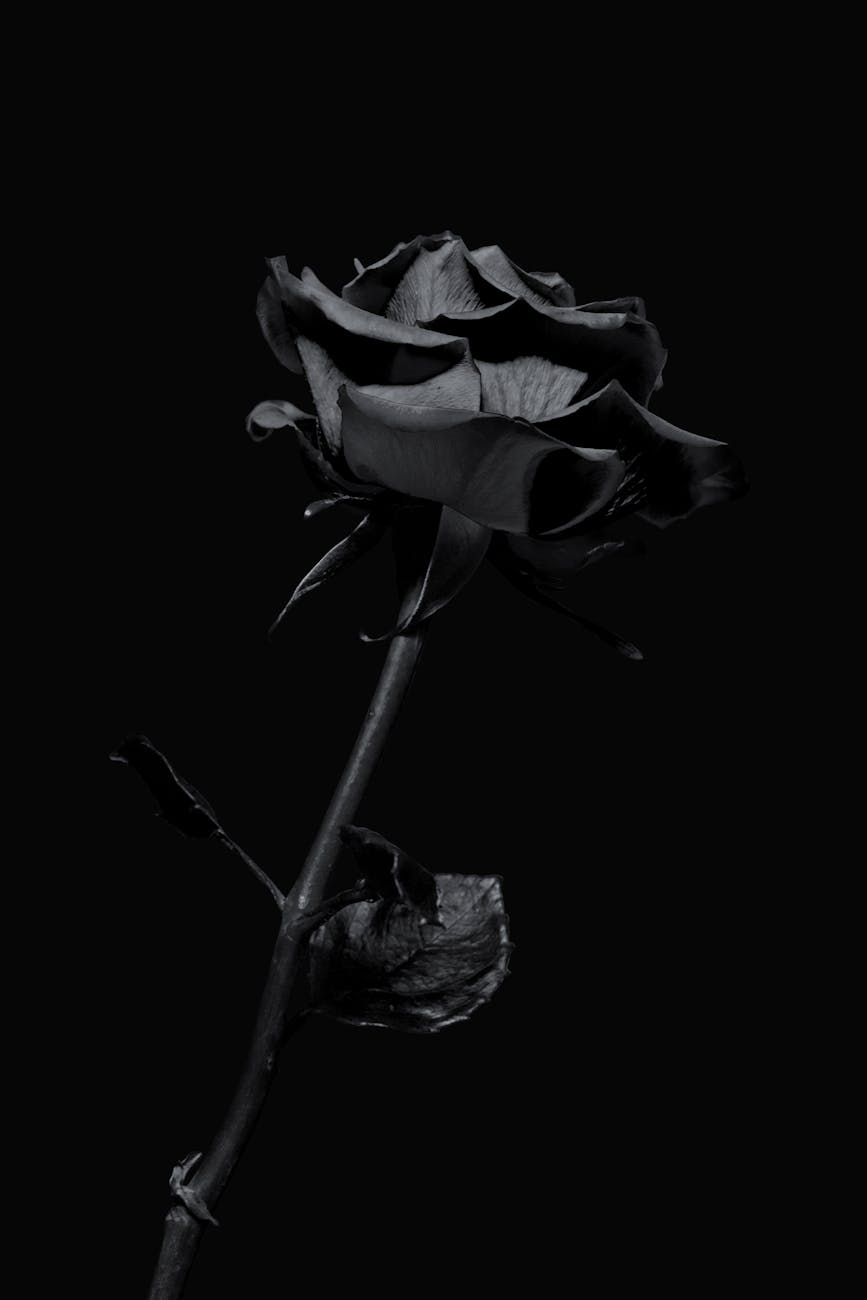
You have seen red, yellow, white, orange, and pink roses before, so it’s probably not very surprising that there are black roses as well.
This dark rose is known for its petals that have such a dark hue of maroon, burgundy, and purple that they appear to be black.
Some gardeners and florists will actually add black dye to the watering mixture to assist in growing roses with a true black color.
Black roses are often culturally associated with tragic love, mystery, mourning, and the supernatural.
2. Black Velvet Petunia
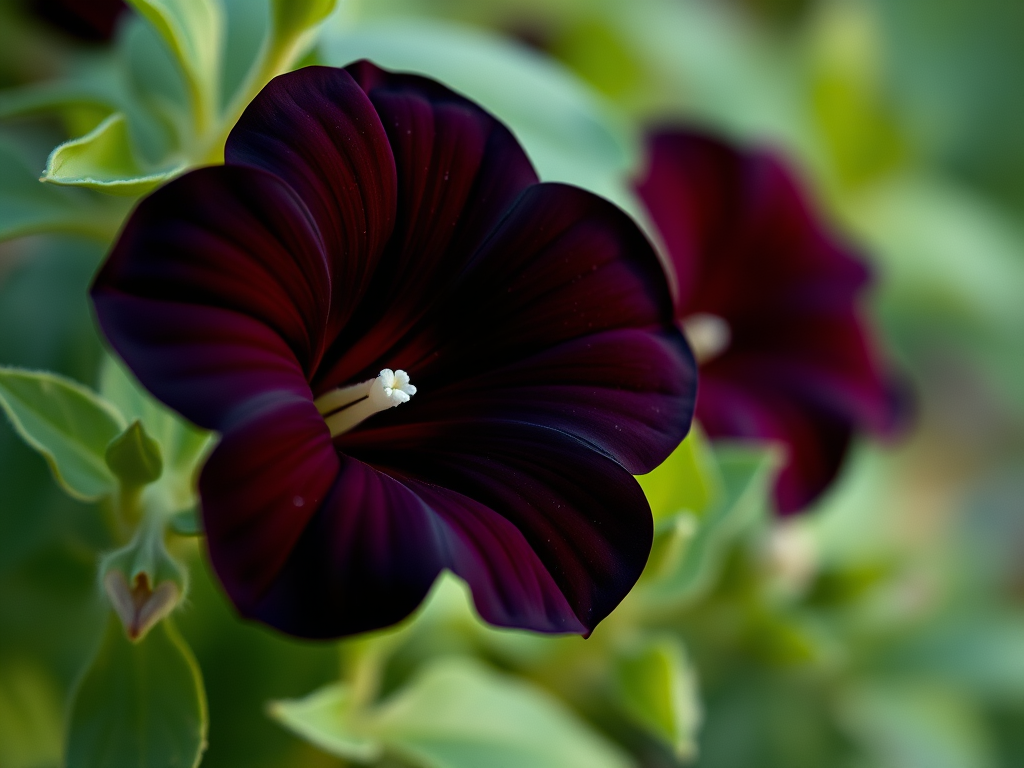
This annual flower has rich, dark purple to black blossoms with a soft velvety texture. Petunias are most commonly seen growing with pink, white and purple petals, and they grow best in containers (which makes them great for porch planters).
Black petunias are a hybrid plant that were made by crossing naturally occurring dark-colored varieties of petunias until finally creating the dramatically dark versions that we have today.
Petunias are known for their rapid growth, so you can expect them quickly fill a planter, and black velvet petunias are one of the darkest black flowers that currently exist.
Buy Black Velvet Petunia Seeds Here
- 3. Fritillaria (Persian Lily):
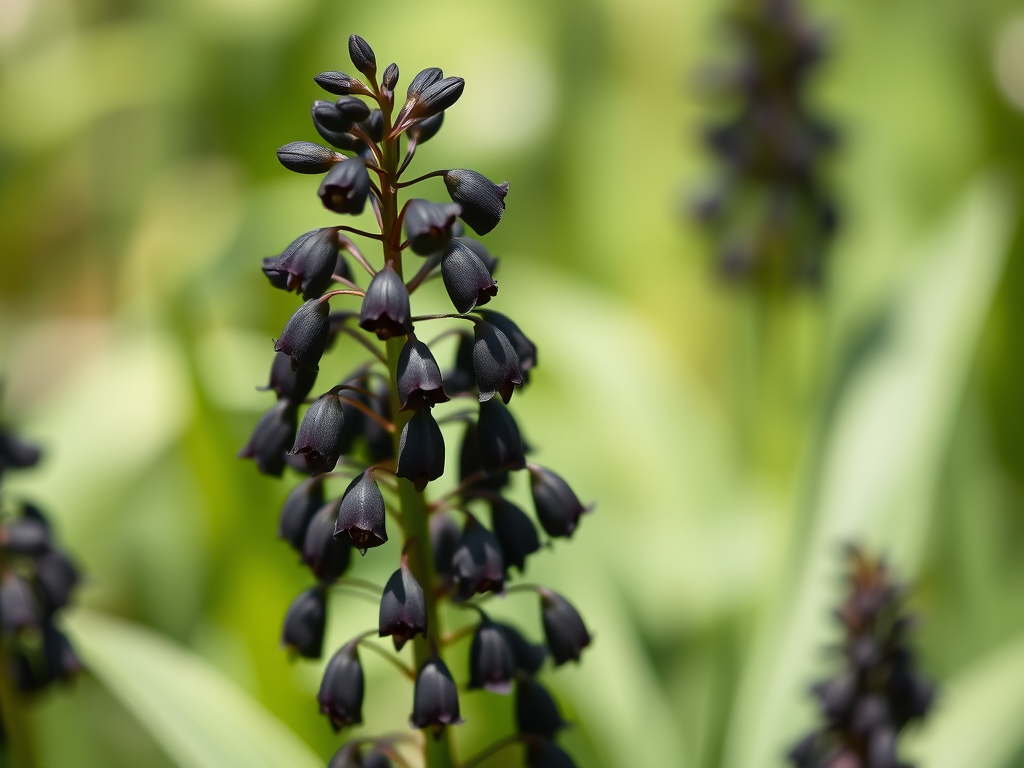
Fritillaria, which is more commonly known as the Persian lily is a flower native to the northern middle east in countries like Turkey, Syria, Israel, Iraq, and Iran.
This elegant flower grows a tall, thick stem, with as many as 20-30 small bell shaped flowers hanging from the stem.
The unique flowers have such a deep, dark purple hue that they appear to be black, but that same flower can also transform into a green-brown color from year to year.
The abundant wispy leaves on the plant have a gray-green tint which give this flower an even spookier feel!
4. Black Dahlia (Dahlia ‘Black Satin’)
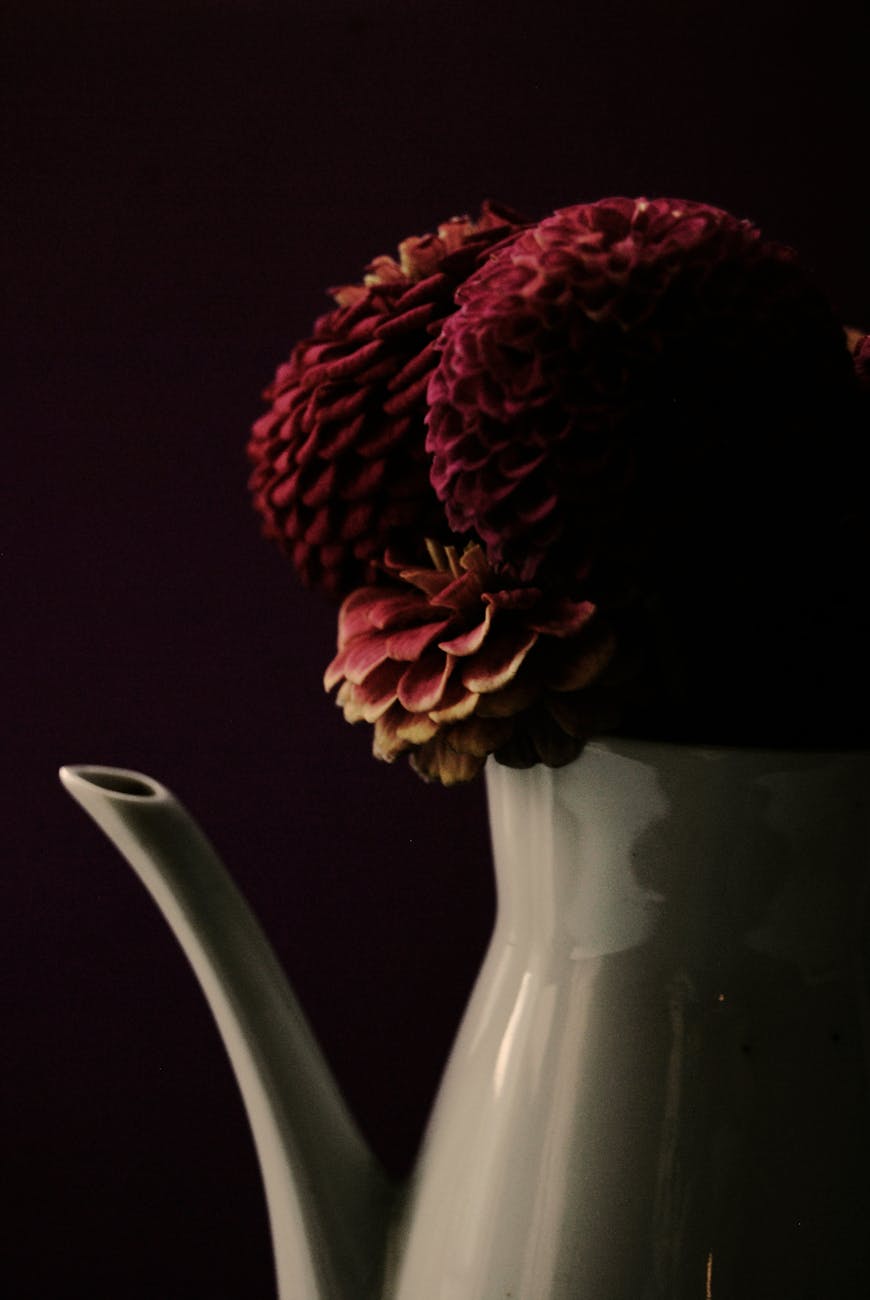
You may be familiar with the words “black dahlia” based off of the grisly murder of the young woman Elizabeth Short in 1947, whose murder case was nicknamed “The Black Dahlia Murder” by the press. Well, that’s not what we are talking about here.
There really is a dahlia flower that presents dark maroon or purple, almost black, petals with a hint of red and pink in the center.
The name of this flower becoming tied to a national murder investigation definitely adds to the creepy factor of this one. Out of nearly 20,000 species of dahlias that exist, only around 10-20 of those are considered to be a type of black dahlia.
5. Queen of Night Tulip (Queen of Night)
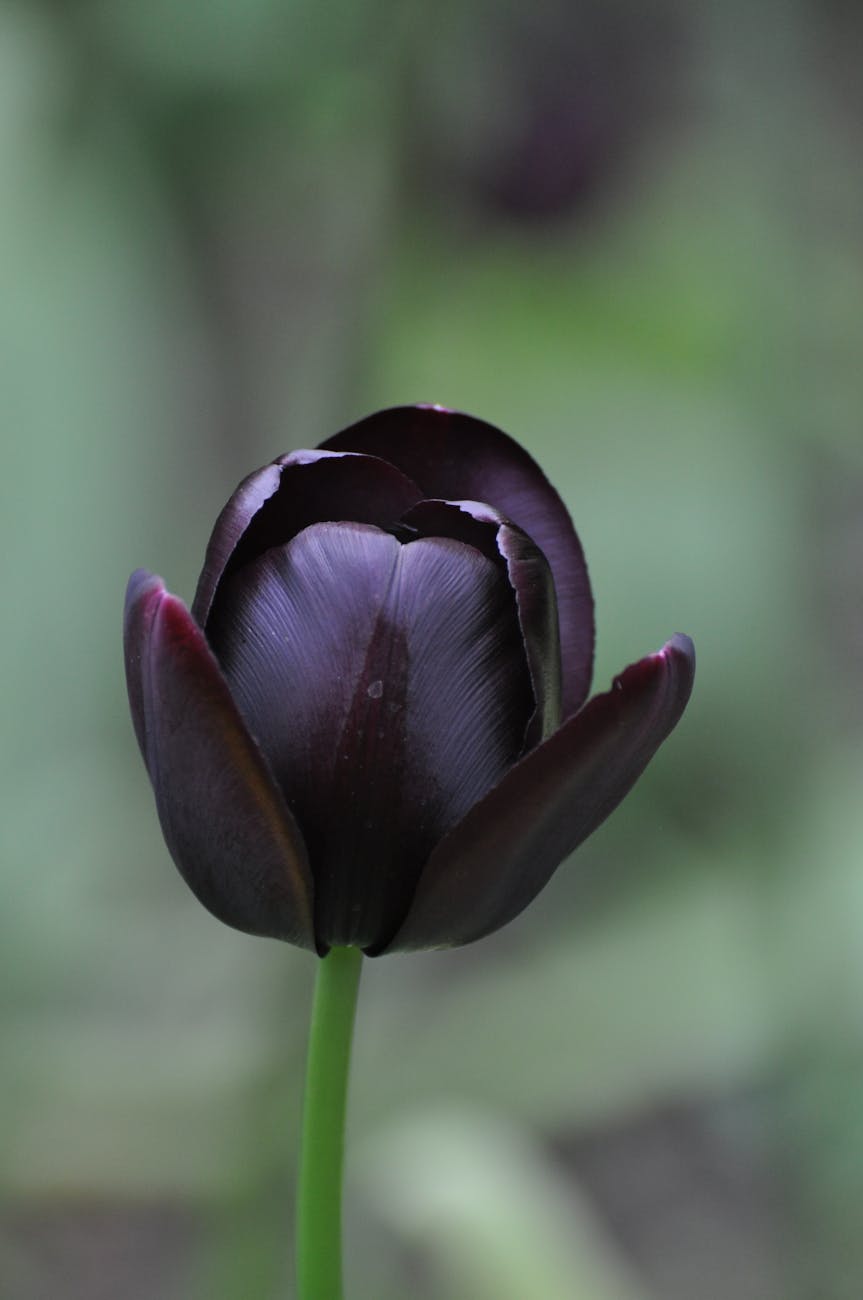
This species of tulip grows in such a dark, velvety maroon that in the light the pedals look almost jet black.
There are a handful of other “black” tulip species like black parrot tulip, Vincent Van Gogh tulip, black diamond tulip, and a few others. However, queen of the night is rumored to have a color closest to genuine black.
Supposedly, black tulips have been around since the 1600’s, and it wasn’t until sometime in the late 1800’s when horticulturists were able to successfully reproduce varieties of black tulips, which eventually made these varieties available for regular consumers to include in their gardens and floral decor.
6. Bat Orchid

The black bat orchid has got to be the creepiest flower on this list, or possibly on this earth.
While almost a true black in color, the bat orchid has extremely dark purple, small flowers in the center, and two large petals at the top that cause the flower to resemble a flying bat (hence the name) with long, thin bracteoles that look like cat whiskers growing from around the center of the flower.
The bat orchid flower blooms in the late summer into the fall, so that means they’re usually blooming right around Halloween, which only adds to the spook-factor of this truly haunting and unique plant! Bat orchids are the perfect addition to any autumn garden.
7. Black Calla Lily
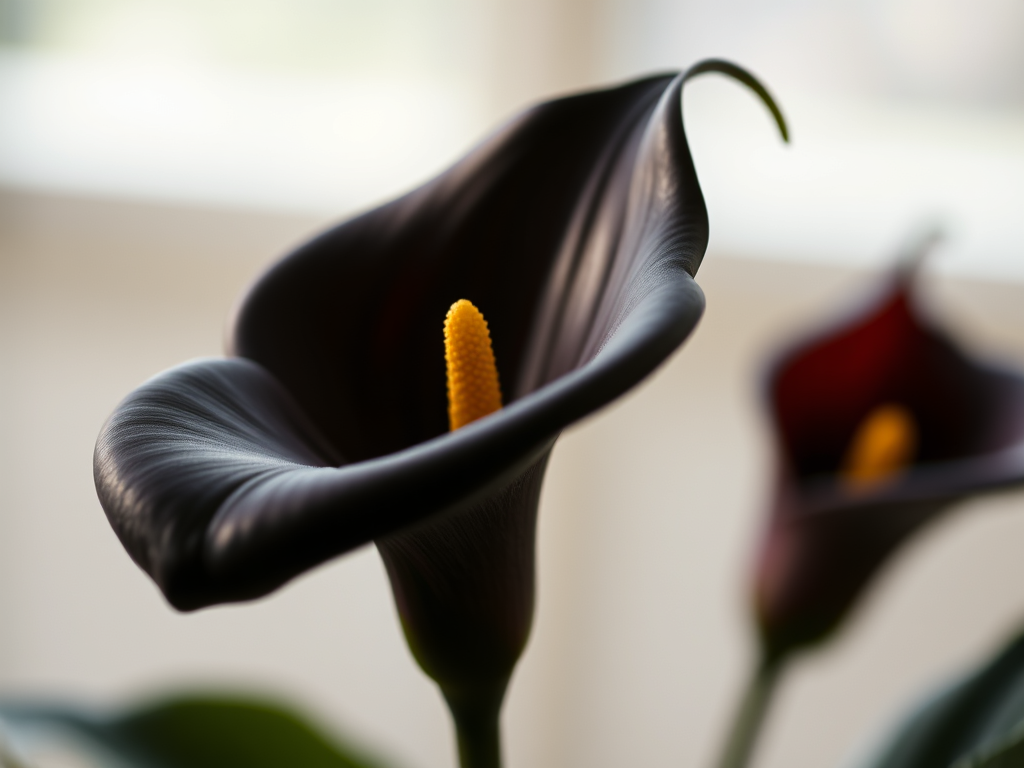
Calla lilies have quite a few species that bloom deep purple and burgundy flowers which appear black against the green background of the tall, thick leaves.
There is a variety of black calla lilies named “starry night” because of the large striking dark flowers, surrounded by thick dark green leaves that are covered in white speckles, giving this variety of the plant a shocking resemblance to the famous Starry Night painting by Vincent Van Gogh! (He may be an artist, but he is clearly pretty popular among the gardening community as well!)
Buy Black Calla Lily Bulbs Here
8. Chocolate Cosmos
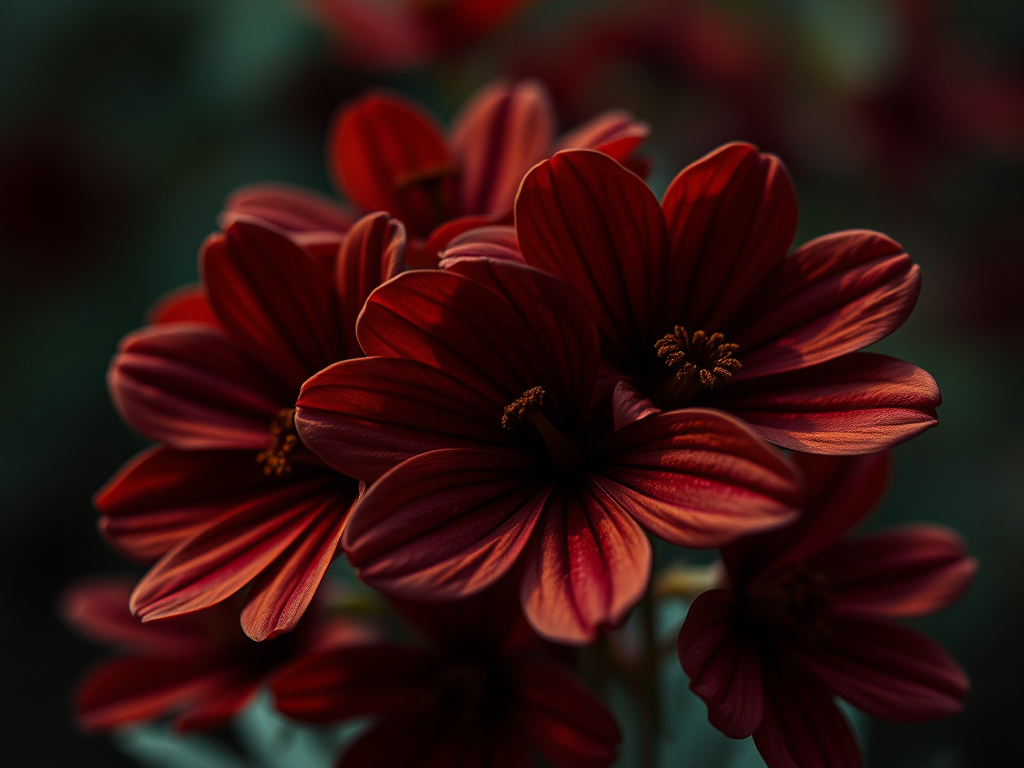
This perennial has small, dark reddish-brown to nearly black flowers which resemble a small, dark daisy. These flowers are native to Mexico and these days are rare to find growing in the wild. The most interesting fact about this dark little flower is that they actually do smell like chocolate and vanilla.
Despite the fact that this flower smells like a scrumptious fresh baked dessert, every part of the plant is actually toxic so do not consume any!
Chocolate cosmos are a favorite among flower gardeners for porch planters and front yards because of its unique appearance, and its sweet aroma that is known to be very attractive to butterflies!
Buy Chocolate Cosmos Seeds Here
9. Black Iris
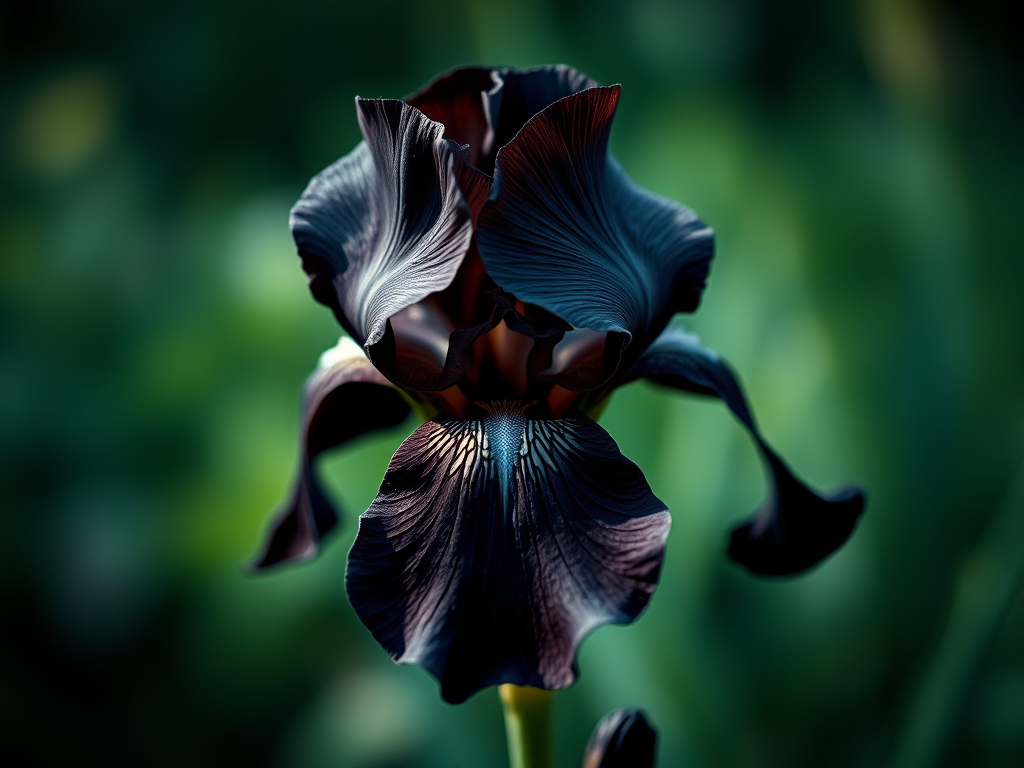
Known as “Iris nigricans” features dark purple-black bearded flowers with wavy petals that are exclusively native to the country of Jordan, and is actually their national flower.
The black iris is one of the rarest, and darkest naturally occurring flower varieties in the world which makes this one very unique.
These flowers are known for their resilience and ability to adapt, being found in nearly every town in Jordan in the early spring, these flowers can grow in harsh environments withstanding extreme heat and winds.
Because of the rough conditions they grow in, black irises have become symbolic for wisdom, mystery, and rebellion.
10. Black Pansy
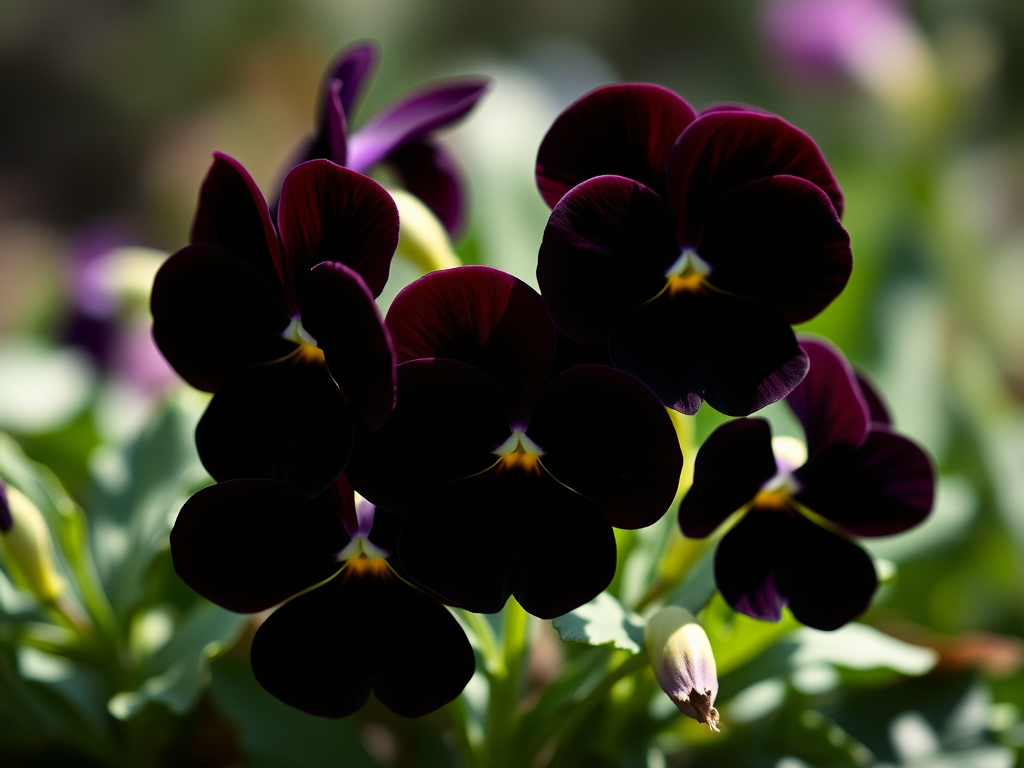
Pansies can blossom with almost any color of the rainbow. Some of the most commonly seen pansy varieties are blue, purple, white, red, orange, and yellow.
However, some pansy varieties such as “Black Prince” and “Black Devil” are some of the only flowers in the world that grow in a real, true, black color, rather than most “black” flowers that are technically some version of a dark purple or red.
Black Pansies are a small, asymmetrical flower with five petals that have a soft texture and a very dark color, with a bright yellow or white center which makes this bold little flower an eye-catcher.
Black pansies are actually safe to consume, and they have a very mild, slightly sweet flavor. They can be eaten fresh as a garnish on drinks and desserts, or used in a salad. Bakers sometimes candy pansies to preserve and use as a sweet decoration on cakes and other desserts.

With a few of these mysterious flowers included, your haunted garden will be the spookiest on the block in no time!
Which of these dark flowers will be the low-light of your fall garden this year?
I hope you’ve enjoyed learning about natures dark side for today. If you enjoyed this post, here are a few more informational reading options for you!
Fun Forest Find: Witches Butter (Tremella Mesenterica)
Mushrooms: Best Tips And Methods For Foraging
Foragers Beware! Don’t Trust AI Written Field Guides In 2024
Thanks for reading, and happy gardening!
-Jessica C.
 Bigfoot's Friend
Leave a comment