Back in August, we were up in the Bitterroot/Selway forest where we found some truly awesome plants and mushrooms. It’s the same place where I found a patch of Helvella v. mushrooms for the first time this year!
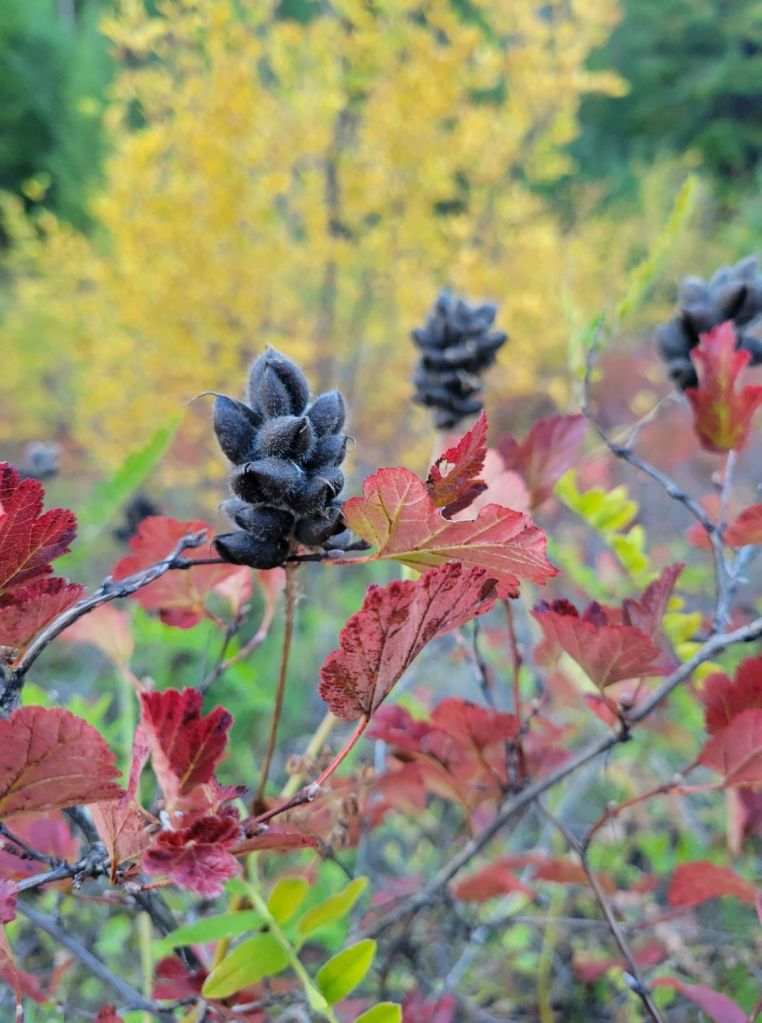
One of the coolest plants we found were these Chickpea Milkvetch, also known as Astragalus Cicer, or Chickpea Cicer.
My first thought when I saw this funny plant was “is that deer poop?” So of course, I picked some of the pods to examine. I showed my husband, who also thought it looked like deer scat… Which I was now holding in my hand to show him. I should have taken a picture of the look on his face.
I pointed out the plants to him and we laughed while we debated whether they appeared more like roasted coffee beans or deer droppings.
So now here I am, studying this unique plant and sharing what I’ve learned with you all.
Let’s get into it!
What do Chickpea Milkvetch look like?
These perennial flowering plants
- Have white or cream colored flowers that I think resemble Snapdragons.
- The leaves are narrow and grow in numbers along the leaf stems.
- Astragalus Cicer has a hollow stem that can grow up to 3 feet in height.
- The flowers bloom in the summer.
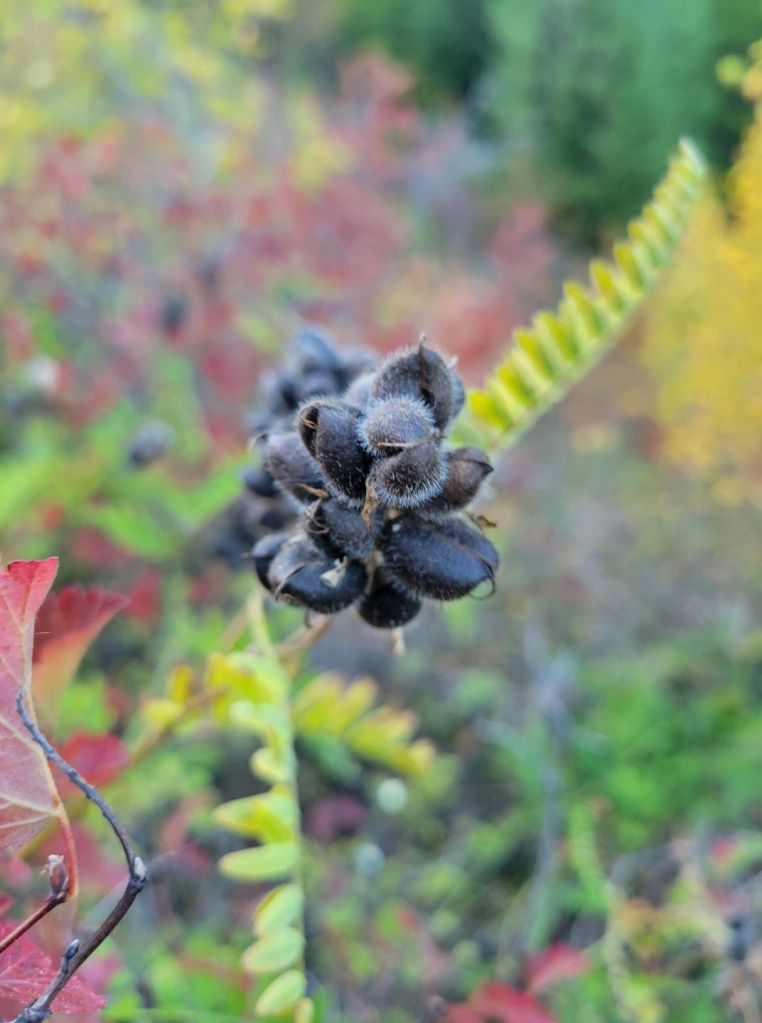
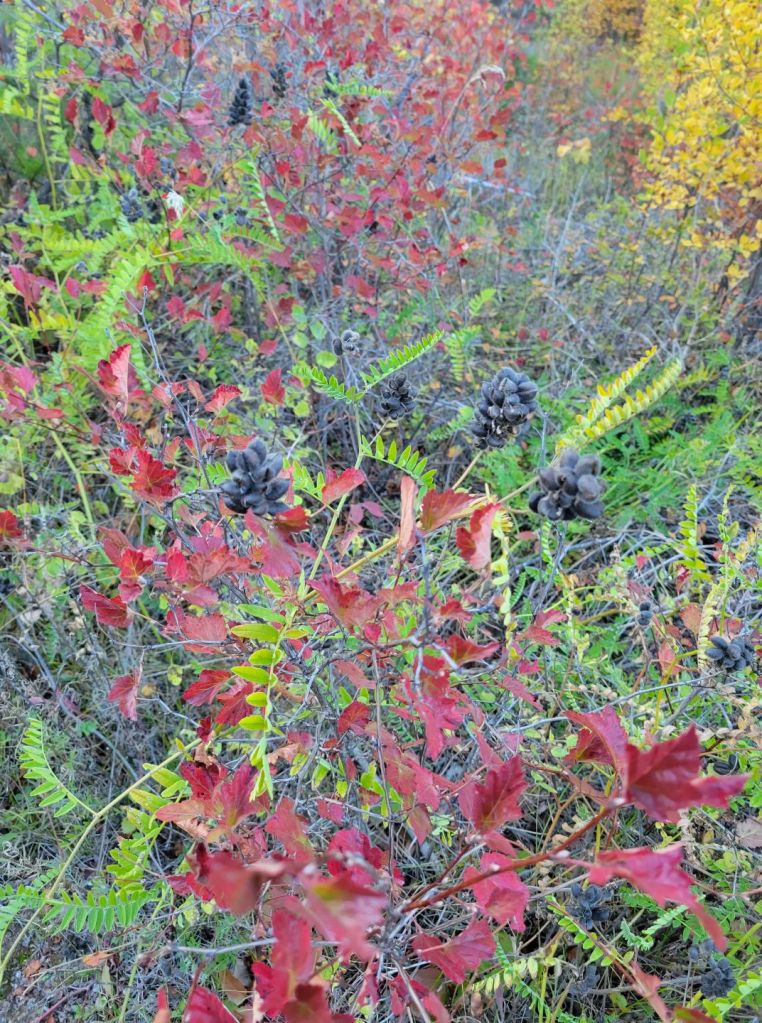
- Flowers change into black pods covered in tiny black hairs in the fall.
- They produce little legumes.
What are Chickpea Milkvetch?
- Astragalus Cicer is known to be a common pollen source for more than 15 different species of bees.
- The flowers turn into dark pods after pollination which turn into the homes of small, flat, yellow or orange seeds.
- These plants are known to have an aggressive creeping root system, so they grow well and in large numbers.
- Chickpea Milkvetch are commonly planted and grown today to serve as an assistant in soil nutrition, hay for livestock, and to aid in wildlife food production.
Where do they grow?
Astragalus Cicer were introduced to America from Europe in the early 1920’s to be used for helping enrich poor soils and feeding livestock.
Chickpea Milkvetch is commonly found near the edges of forests, and streams. This plant is drought proof, has great capabilities to thrive in a variety of soil types, and can grow in elevations between 2000′-7000′!
Are they Edible?
For humans, no. While this plant is a common addition to hay for livestock due to the legumes having a non-bloating effect for the animals, it is not advised for people to consume.
The plant contains a toxin called calcium oxalate which can cause symptoms like nausea, swelling, tingly throat, and even difficulty breathing when chewed or swallowed.
This plant is better to be left for the deer, elk, bees, a livestock to enjoy.
Have you ever seen Astragalus Cicer in your area? Tell me about it in the comments!
Want to read some other Fun Forest Finds? Check these out!
Fun Forest Find: Bitterroot Flower (Lewisia rediviva) Edibility and Medicinal Uses
Fun Forest Find: Wood Ears (Auricularia Americana)
Fun Forest Find: Pixie Cup Lichen (Cladonia asahinae)
Thanks for reading, happy hiking!
-Jessica C.
 Bigfoot's Friend
Leave a comment