Today we’re talking about one of my favorite fruits in the whole wide world.
Coconuts.
Being someone who was raised in the mountains, palm trees and coconuts have always been magical to me, and at the beginning of this year I got to spend some time enjoying the coconut palms in the sunshine.
I’ve learned a lot of interesting information about these iconic tropical giants, and I’m here to share my findings with you since you must be curious about coconut trees as well!
Do All Palm Trees Grow Coconuts?
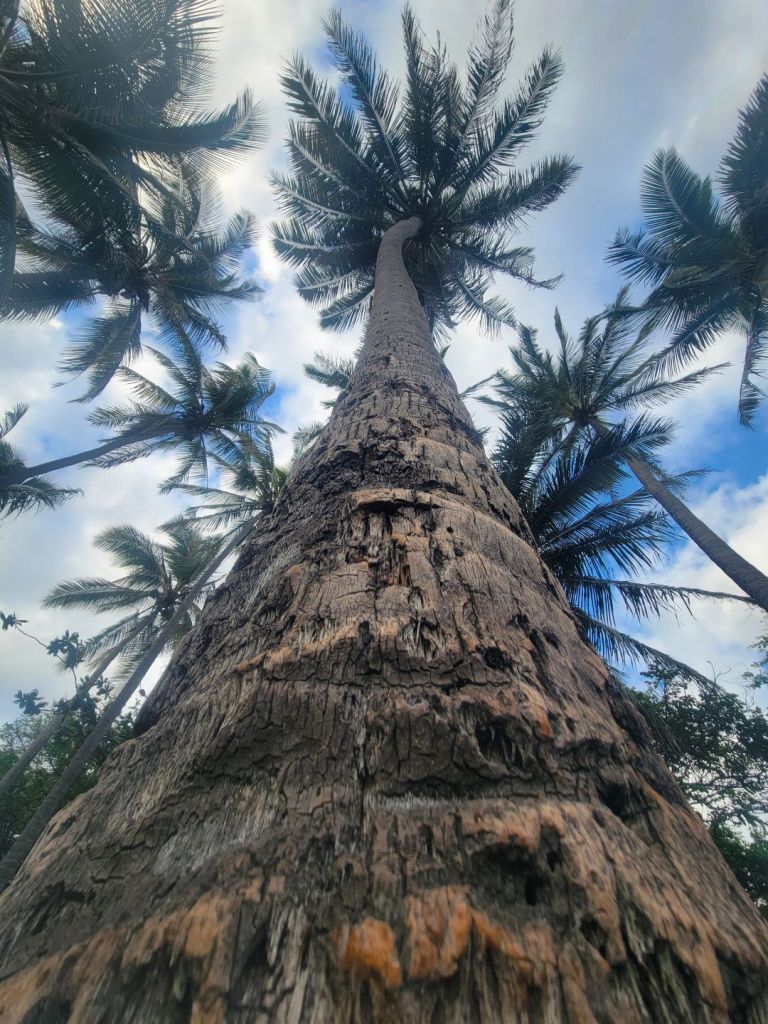
No, there are over 2,600 different species of palm trees but there is only one species which produces coconuts.
These trees are called Coconut Palms (Cocos nucifera).
From seed, it takes about 7-10 years of growth before the coconut palm will start growing coconuts.
There are other types of palm trees that produce fruit, such as date palms, peach palms, and acai palms. Some palm trees are used to harvest palm oil as well.
What Do Coconut Trees Look Like?
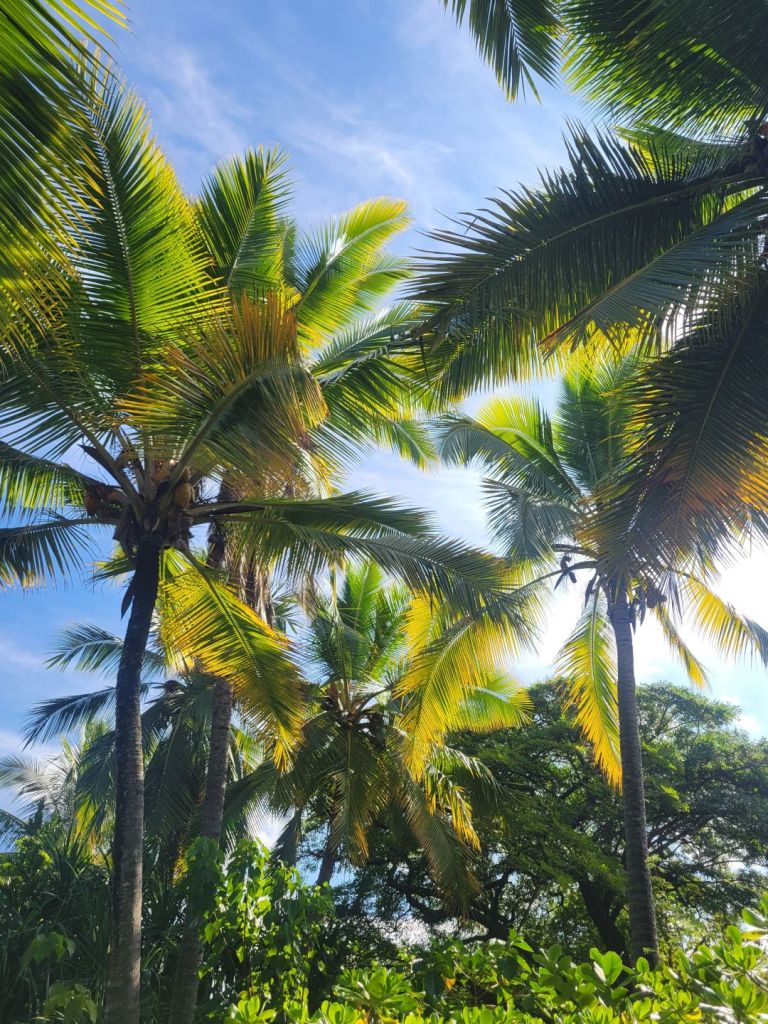
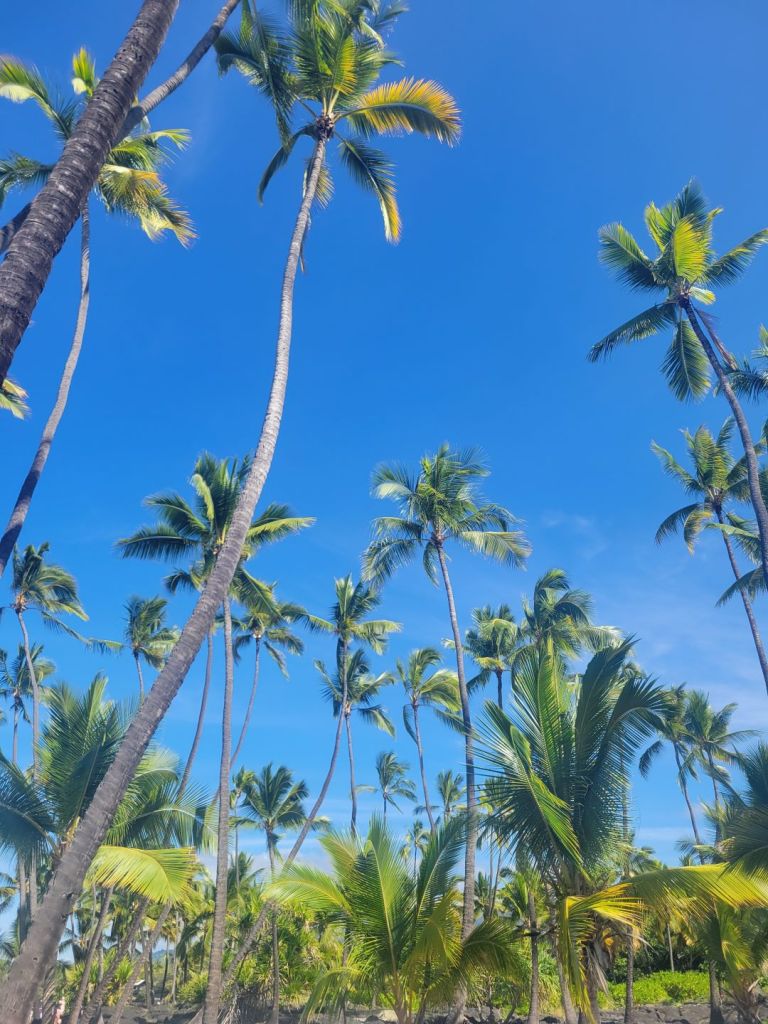
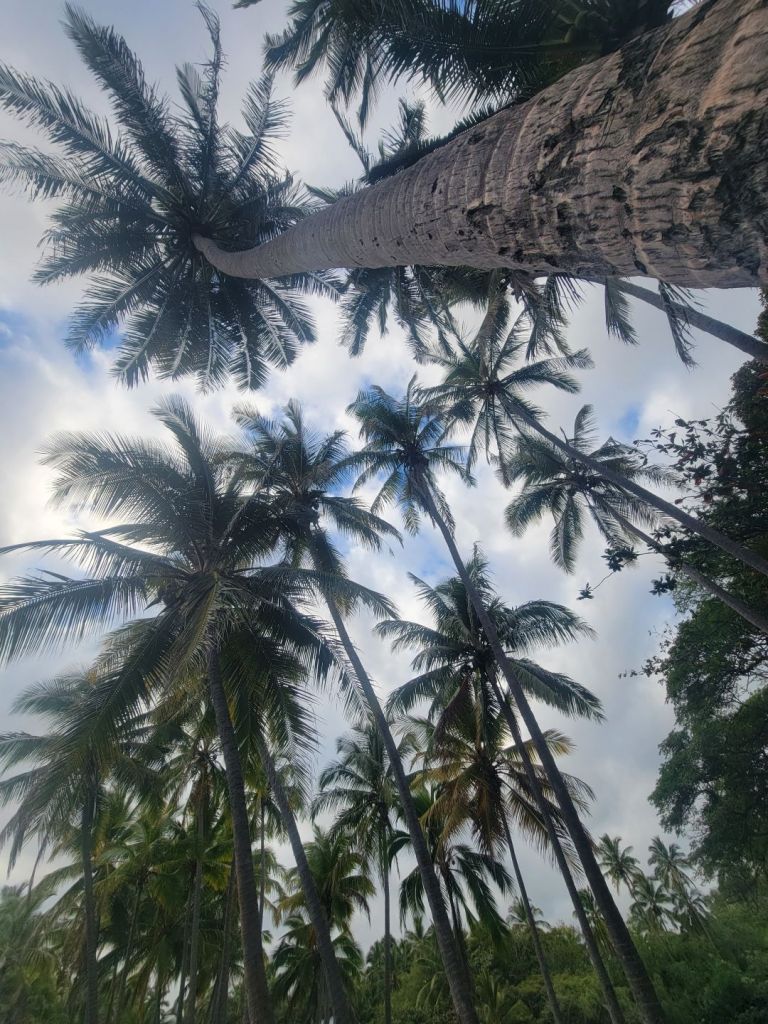
Coconut trees have long, narrow trunks and gigantic palm leaves similar to other palm trees.
The trunks of the coconut palm tree can grow 65′-100′ tall at full maturity.
The palm leaves (otherwise known as fronds) can grow up to 19′ long!
Coconut palms can live up to 100 years old in the right conditions but generally live between 60-80 years.
Some of the key differences to note are:
- Coconut palms have feathery palms where other palm trees palms are more fan-like.
- The trunks of coconut palm trees tend to have a slight curve as opposed to some other palm trees which grow straight and upright.
What Is A Coconut?
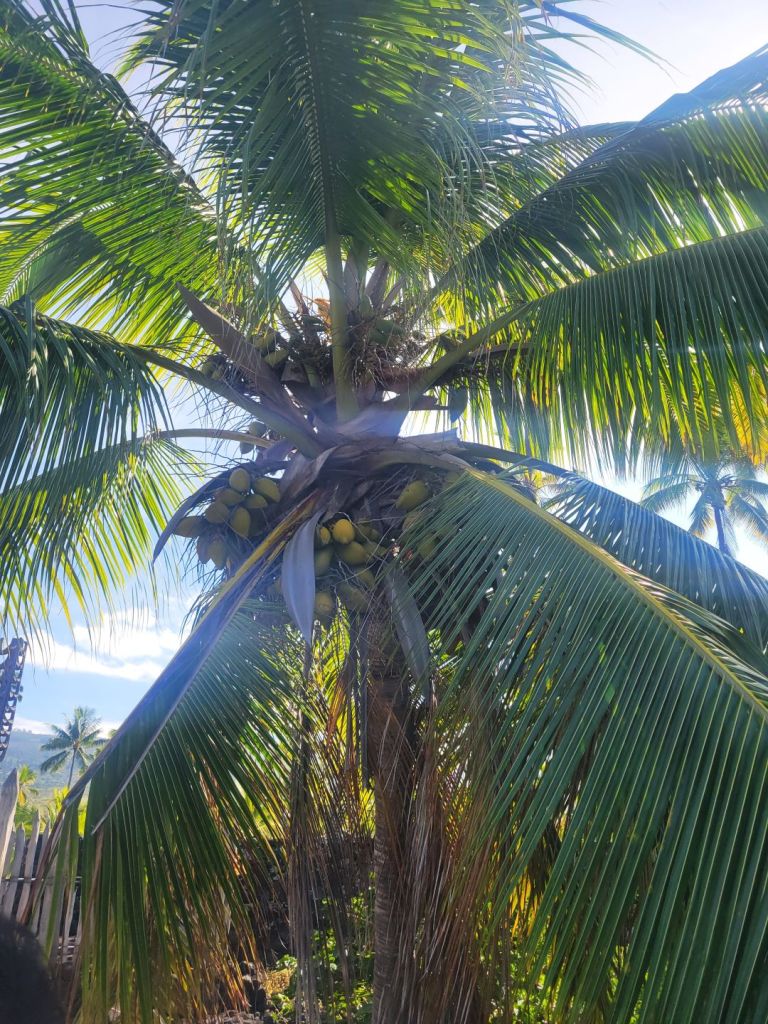
Coconuts are fruits that grow just under the fronds of the tree.
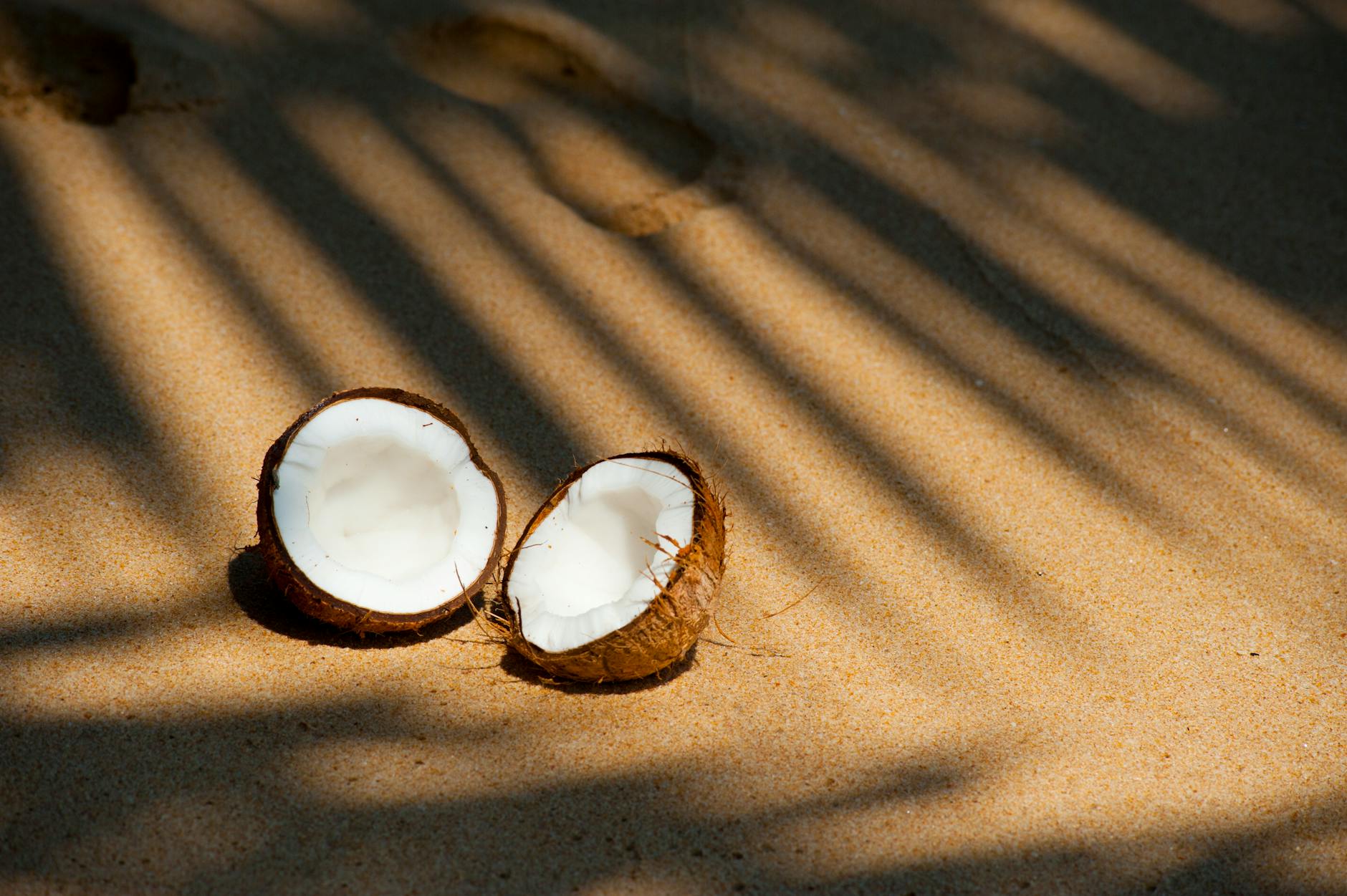
Coconuts have four main components, the outer husk, the hard shell, the fruit, and the water.


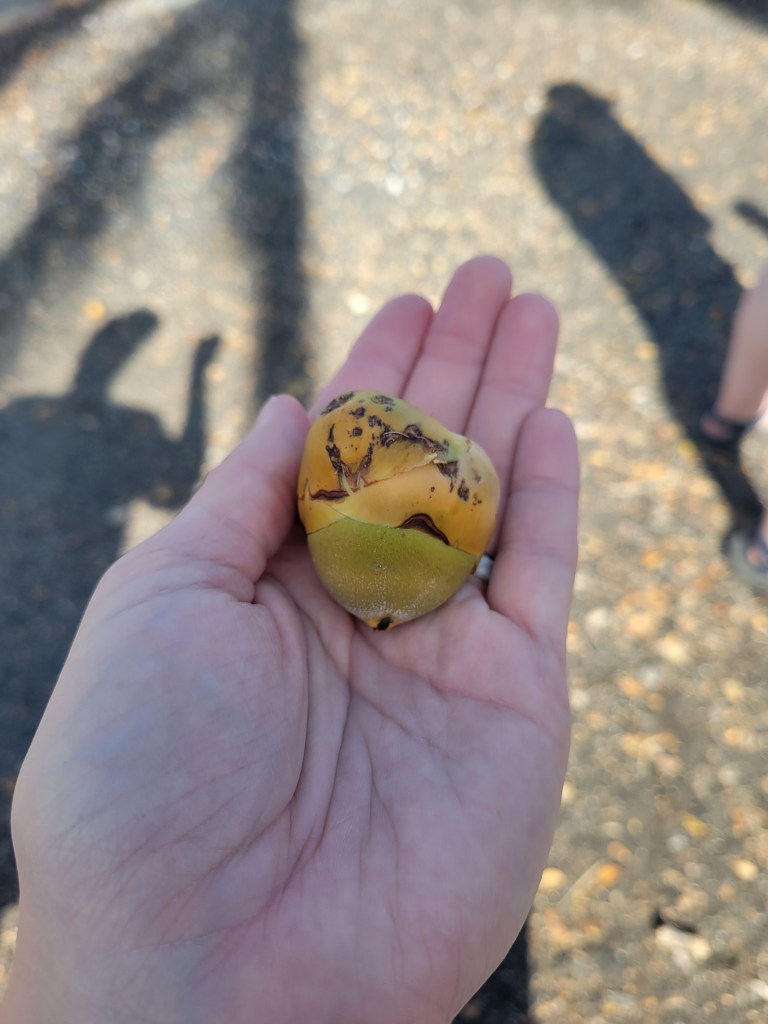
The coconuts fall to the ground after reaching maturity and become accessible for animals and people to eat.
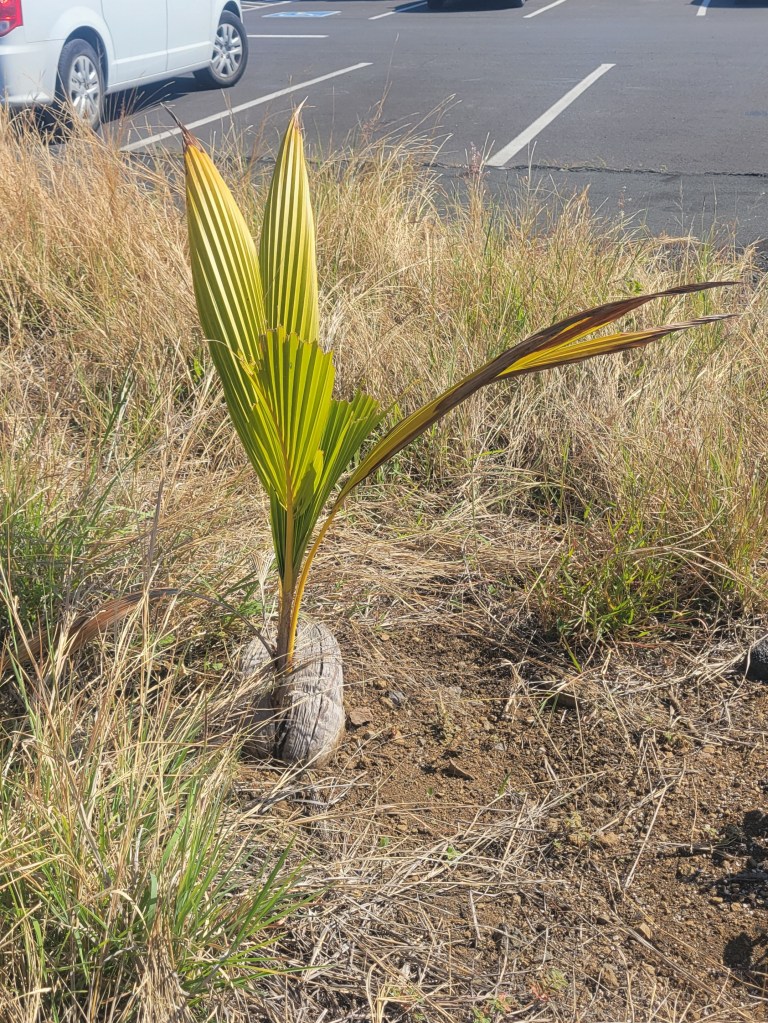
Some coconuts find their way out to the ocean to float to other shores, or if left in the right conditions on land, will grow into a new coconut tree!
Coconut Benefits And Uses
Throughout history, different aspects of the coconut have been used to treat ailments and to reduce the risk of things like hair-loss and renal inflammation.
The nutrients that can be extracted from every part of the plant including the outer husk, the coconut water and even the leaves of young saplings can be used in a wide range of healing benefits, including:
- Ointment for dermatitis
- Ointment for burns and rashes
- Hair loss prevention
- Improving renal health
- Treating diarrhea
- Aiding against diabetes
- And much more!
Other uses for this versatile tree include using the hydrating coconut water and oil from the tree for things like:
- Soaps
- Lotions
- Skincare
- Hair care
- Beauty products
Where Do Coconut Trees Grow?
Coconut trees grow in warm, humid, tropical and coastal areas across the globe.
They really only grow in sandy soils with lots of sunlight and lots of rain.
Researchers are still trying to find definitive proof of where coconut palm trees originated, however it is currently believed that they are native to the coasts of southern Asia.
Due to the distribution of coconuts by mankind, and from coconuts traveling hundreds of miles through the ocean to different countries, today you can find coconut palm trees nearly anywhere tropical across the world.
As of 2025, the main producers of coconuts in the world are as follows.
- Indonesia
- Philippines
- India
- Brazil
- Sri Lanka
Can You Forage Coconuts?
Yes! Foraging for coconuts is a great way to really embrace the coastal or island lifestyle.
Some farmers (and brave individuals) climb the tall trees with special equipment to retrieve the delicious fruits from the top, however I do not suggest this method of harvesting.
Keep an eye on the ground instead for freshly fallen coconuts, right at your feet!
Coconut trees reach their peak production around 15 years of age and can produce anywhere from 50-200 coconuts each year, and continue producing for decades!
Always remember to check the local foraging laws and be sure to only take coconuts from areas where foraging is allowed!
A Wrap On Coconuts
The coconut palm tree for a long time has been an iconic symbol of the tropics.
By learning to identify its unique features, you’ll not only deepen your appreciation for these towering beauties like I have, but you’ll also gain valuable knowledge to enrich your travels and botanical explorations!
Whether you’re finding them on coastal shorelines or in a tropical planted garden, it’s exciting being able to recognize the coconut palms among the other palm trees and add a new layer of understanding and connection to nature.
So next time you see those graceful fronds swaying in the breeze, take a moment to admire this remarkable tree and the lengths in which it probably traveled to be where it is today for your viewing and eating enjoyment.
Do you know any other fun facts about coconut trees? I’d love to hear about them in the comments! Let’s talk about trees!
Learn more about other delicious harvests:
Dandelions: Uncommon Facts About A Common Weed
Kentucky Coffee Beans: A Unique Midwestern Harvest
When, Where, and How to Find Huckleberries
Thanks for reading, happy adventuring!
-Jessica C.
 Bigfoot's Friend
Leave a comment