While you may not know the name of it, I’m sure you’re familiar with this plant from having seen the leaves in the prints on Aloha shirts, in different forms of art, and maybe even on your friends plant shelf.
This beloved plant is called the monstera deliciosa, or otherwise commonly known as a Swiss cheese plant!
If you’re from anywhere more than 50 miles inland like I am, then you are probably familiar with these funky leaved plants as regular houseplants – and prized ones at that.
But if you’re from somewhere coastal or tropical, you’re probably used to seeing them in forests and landscaping, and you may even have one in your own yard.
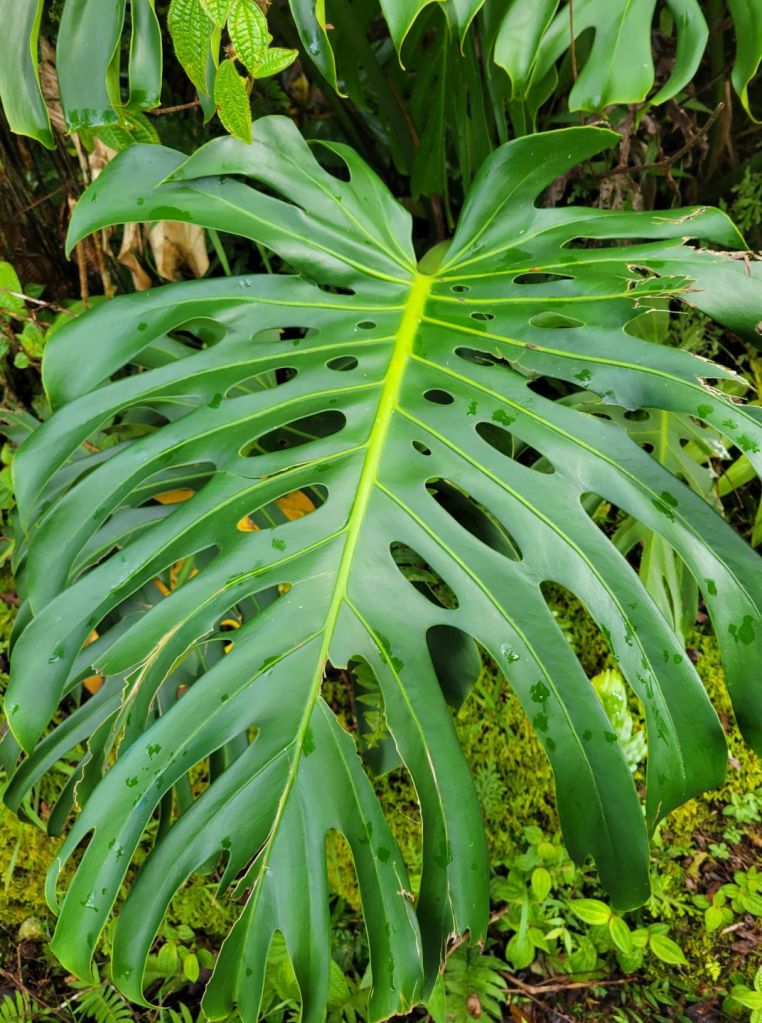
Where Do Monstera Deliciosa Grow?
This tropical icon originated in parts of Southern Mexico, Panama, Guatemala, and Costa Rica.
Since, it has been widely cultivated and can now be found in tropical rainforests and on coasts and islands across the globe.
Monstera deliciosa requires plenty of sunlight and humidity to grow outdoors, which makes it a perfect addition to any tropical garden.
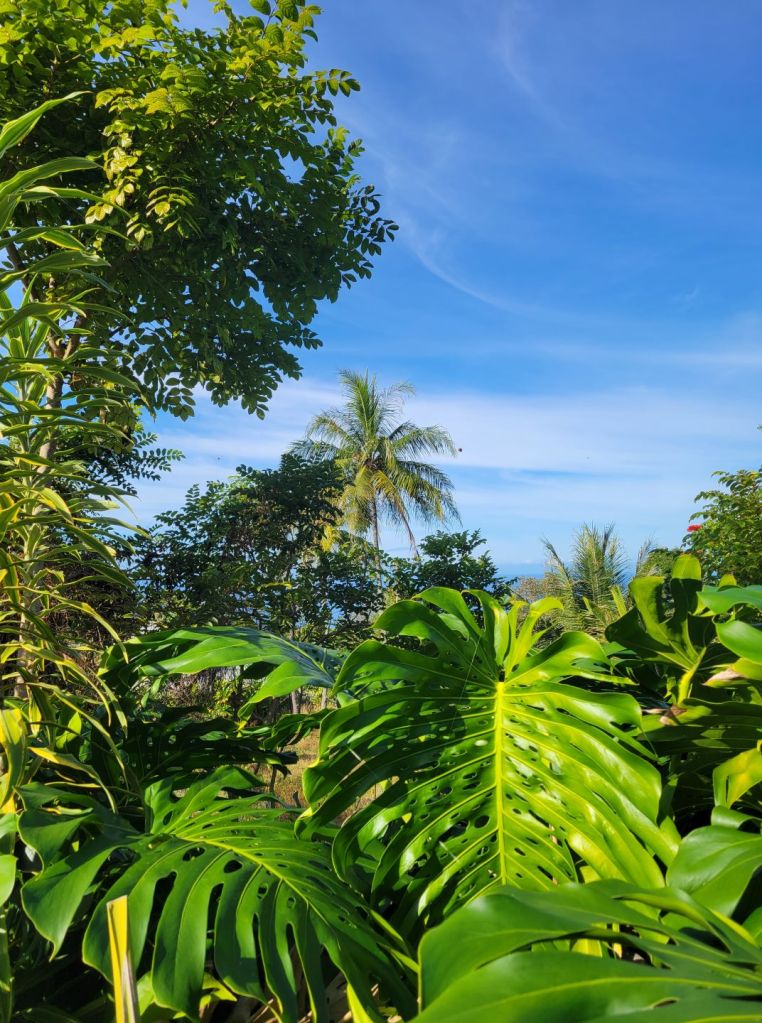
How To Identify A Monstera Deliciosa.
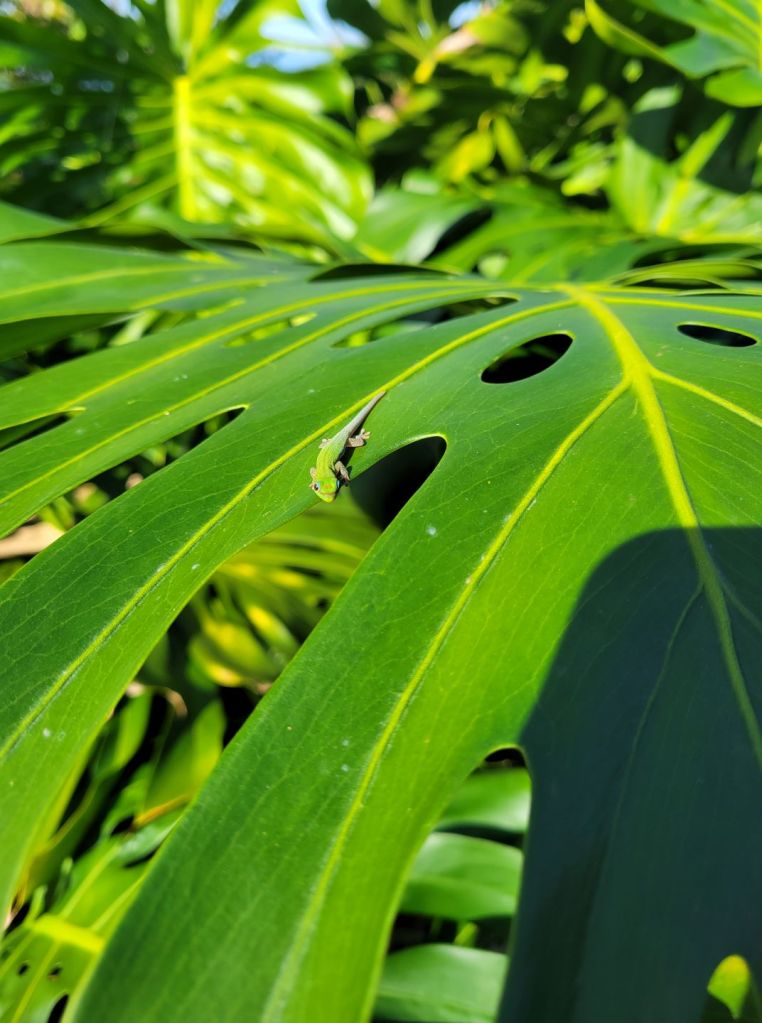
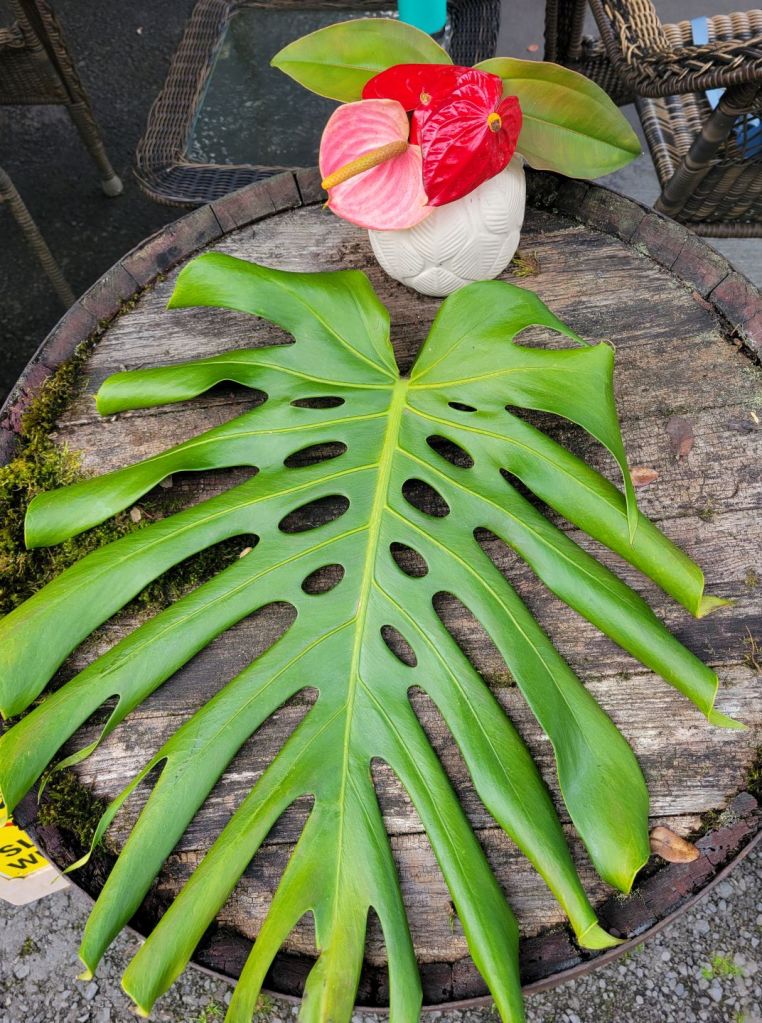
The key identifying factor for this evergreen vine is the large, roughly feathered leaves covered in little holes.
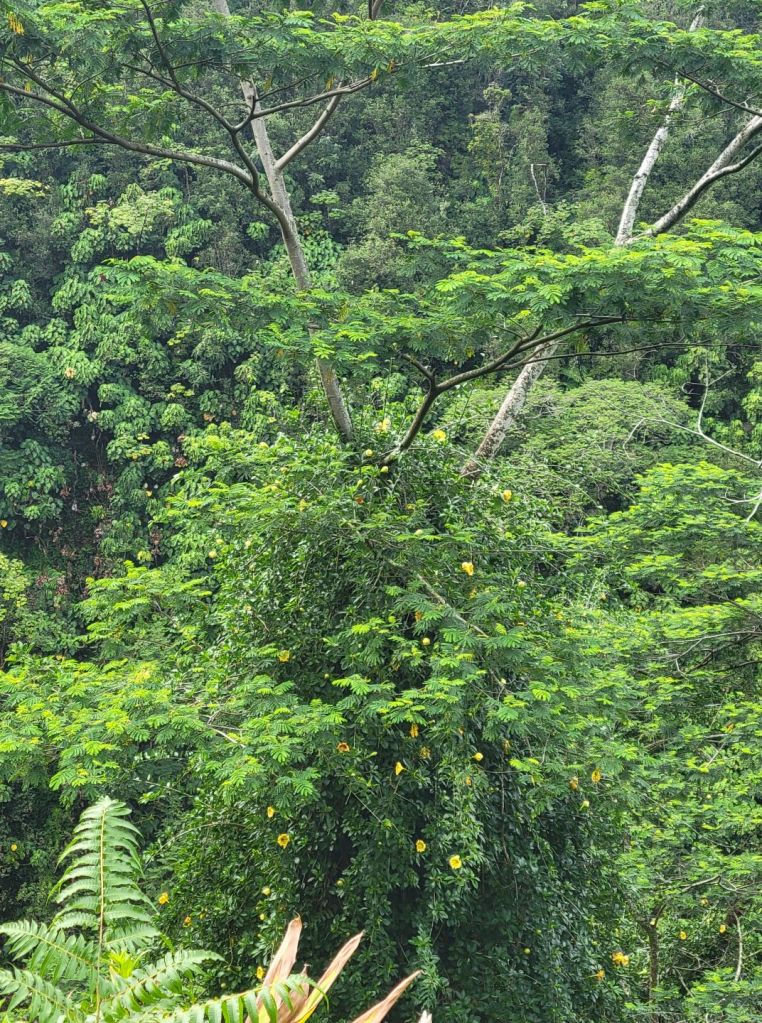
Since the monstera is a perennial vine, they grow from the ground and up towards the sunlight, often climbing up trees, posts, or anything that will get them closer to the sun.
Monstera plants grow thick vines and have aerial roots, meaning the root system partially sticks out of the ground to help the plant absorb more nutrients.
The leaves begin to grow as large ‘spikes’ coming out of the vines, and these spikes eventually unfurl into these incredible, gigantic leaves.
At full maturity a single leaf can be up to 3 feet in length and width, and the vine can grow 60-70 feet tall up in the trees!
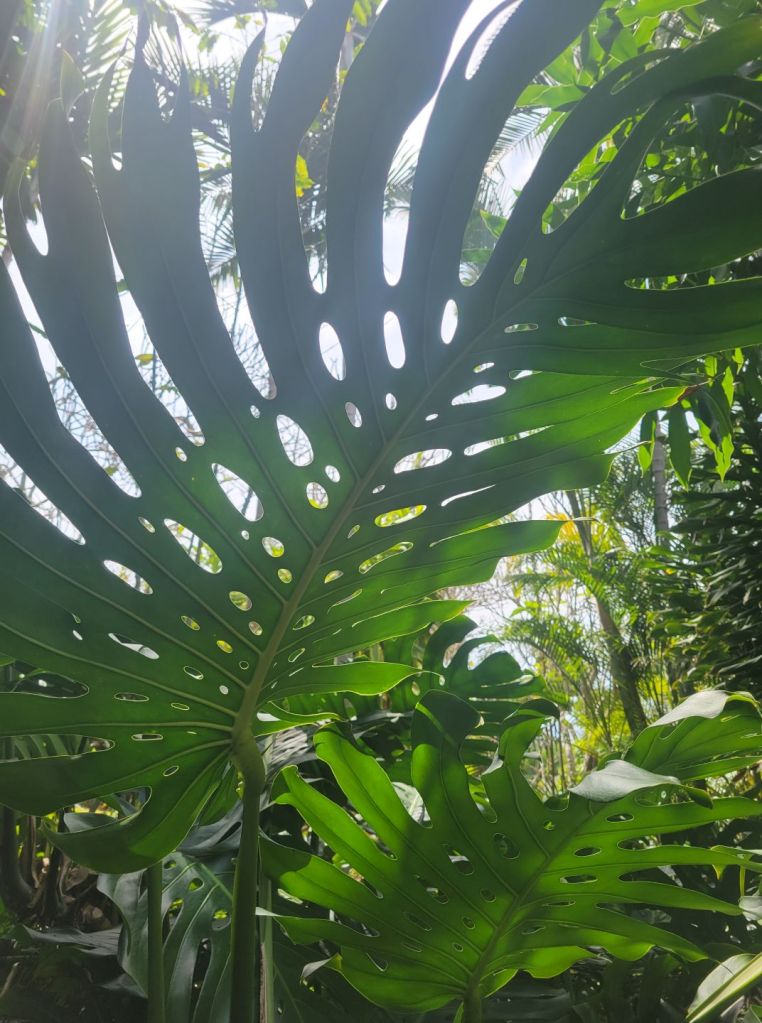
Growing Monstera Deliciosa Indoors.
As I mentioned at the beginning, these have become common and highly sought after houseplants in recent years.
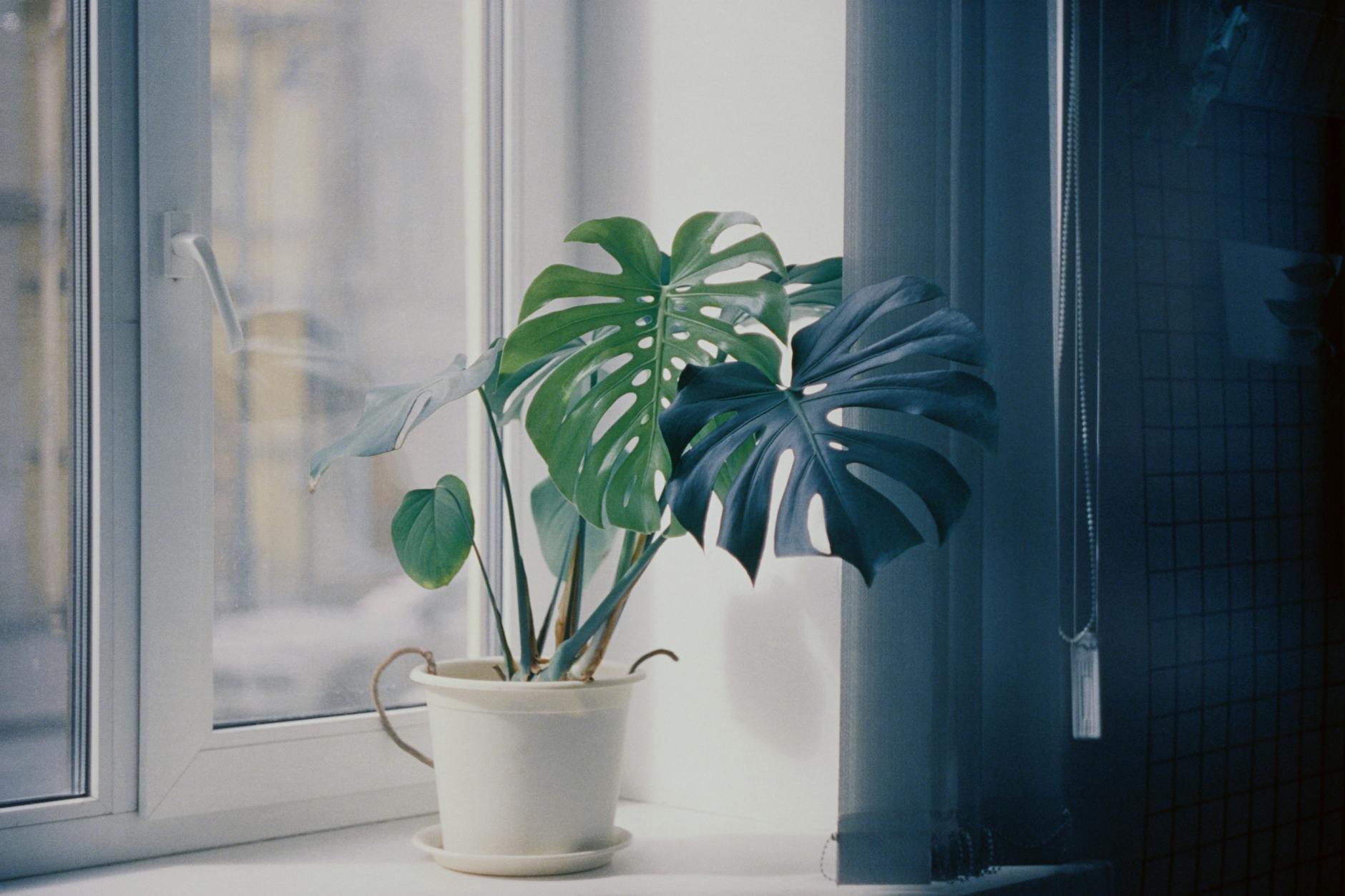
While they require specifically tropical conditions to grow outdoors, they are much less temperamental indoors. They grow best next to bright windows with lots of sunshine and can even be kept outdoors during the warmer months of the year!
My best friend has a monstera in her living room and it is one of her most precious houseplants! The leaves are bigger than my head, and she is always so proud to show me when a new leaf uncurls or when a new hole peeks through.
We all have that one corner of our house that could use a little flair, consider getting your very own monstera deliciosa to adorn your home today!
As an Amazon Associate, I may earn a commission from qualifying purchases made through the links provided on this page at no additional cost to you!
Can You Eat Monstera Deliciosa?
The plant itself is toxic to humans and can not be used for medicinal or culinary purposes.
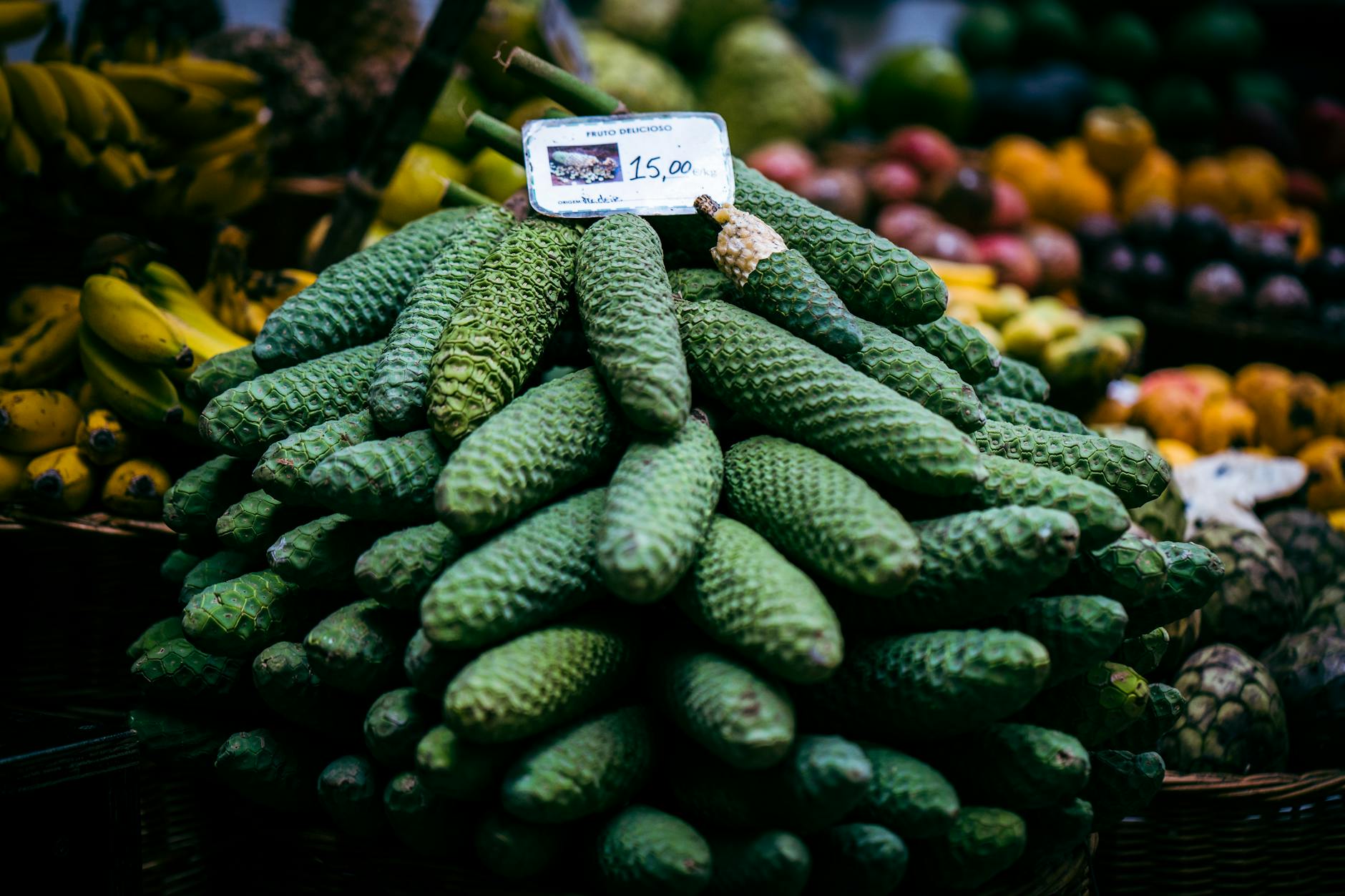
Although, it isn’t named monstera deliciosa for no reason! In the correct conditions, the monstera can actually grow a delicious tropical fruit.
This fruit is known as Mexican breadfruit, Monstera fruit, or Ceriman.
It’s known to taste like a cross between a pineapple and a banana, and looks like it, too.
This fruit grows in small chunks similar to a pineapple, however the outer skin or scales must be scraped away before consumption. The fruit ripens in sections and the scales will scrape off easily once that portion of the fruit is ripe.
Monstera Deliciosa Toxicity Information.
Since every other part of the monstera plant contains calcium oxalate crystals which make it toxic to humans, it only makes sense that the fruit carries traces of the same toxic chemical compounds.
These dangerous chemicals are present in the fruit before it has ripened so the fruit must be ripe before any consumption, and I would suggest only eating small portions at a time.

Monstera Deliciosa Appreciation.
While spending some time in the tropics earlier this year, I got to see these giant-leafed-monsters in the wild and they are truly magnificent.
Every leaf I saw was bigger than I am and they were growing everywhere. On the ground, winding up the trees, hanging from the branches and even crawling up structures like bridges, signs, and buildings.
The monstera leaves certainly add that magical ‘tropical’ touch to tropical forests and rainforests!
Whether growing wild in tropical rainforests or thriving as a cherished houseplant, the monstera deliciosa is a true symbol of nature’s beauty and resilience.
Its dramatic leaves have made it an icon in homes and design, but more than that, it’s a living connection to the tropics and a reminder of the untamed beauty of the wilderness.
Do you have a monstera in your house or yard? What is your favorite thing about this magnificent plant?
If you enjoyed reading this, check out some of my other tropical finds!
Coconut Palms 101: Everything You Need to Know
The Worlds Most Unique Tropical Tree – Norfolk Island Pine
Thanks for reading, happy adventuring!
-Jessica C.
 Bigfoot's Friend
Leave a comment