Spring is finally here, and while we are all ready to get outside, breathe the fresh air, and enjoy the sunshine, we aren’t the only ones anxious to enjoy the nice weather – and we need to be on the lookout.
Bears of all kinds are beginning to emerge from their caves, come out of hibernation, and teach their new cubs how to fish, hunt, gather, fight, and survive.
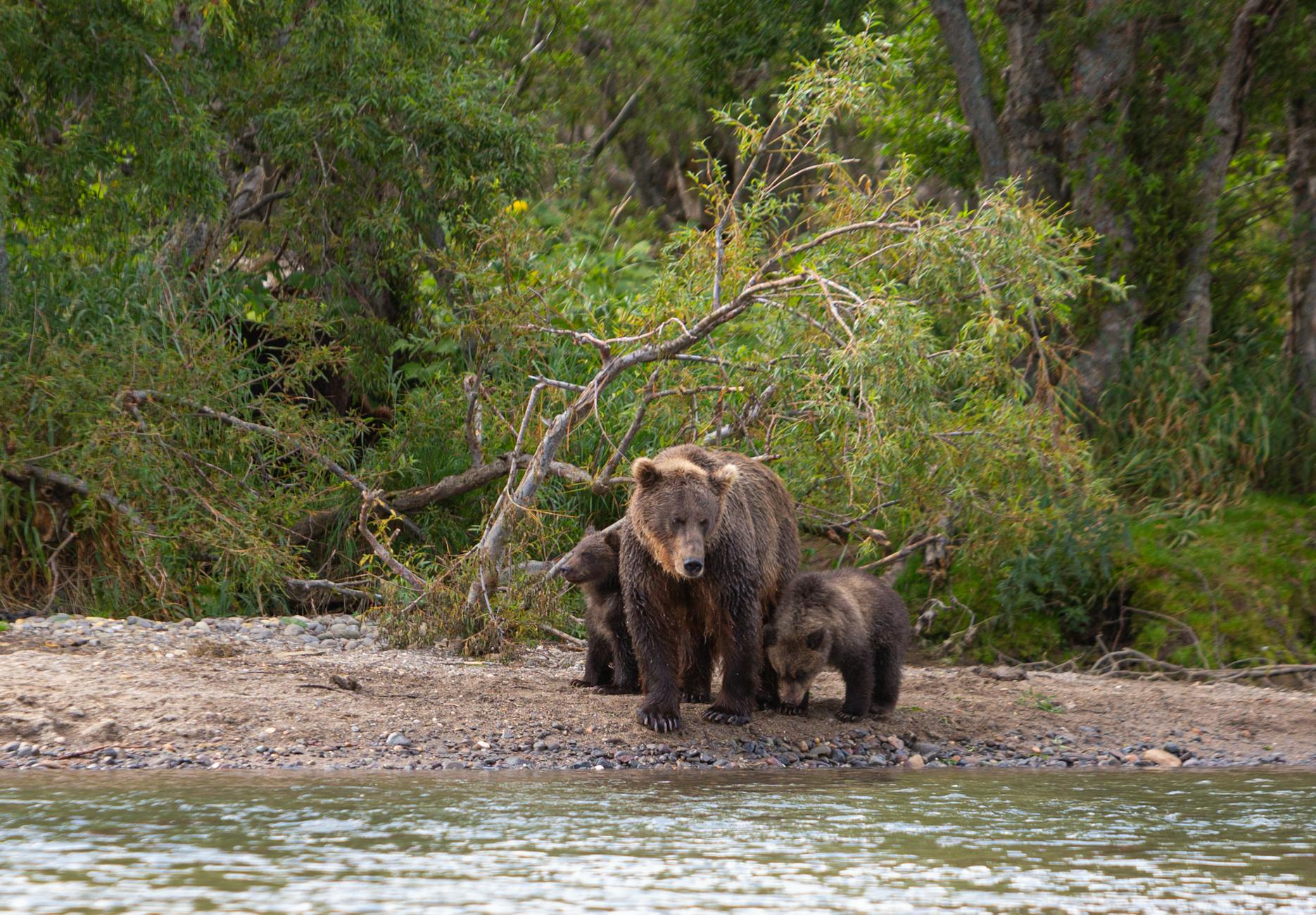
While they are known to be relatively aggressive in general, bears are especially dangerous in the springtime when they have just come out of hibernation. They are hungry and looking for food, and the females are in literal mama-bear mode—meaning they have new baby cubs to raise and protect.
Luckily, there are a few things you can do to help minimize the chances of having a negative interaction with the bears this spring and summer.
- Keep a safe distance
- Do not feed the bears
- Carry bear spray
- Do not run
- Make some noise
While you are adventuring in bear territory this spring, you should equip yourself with the best knowledge of how to keep yourself safe and avoid or survive a bear attack.
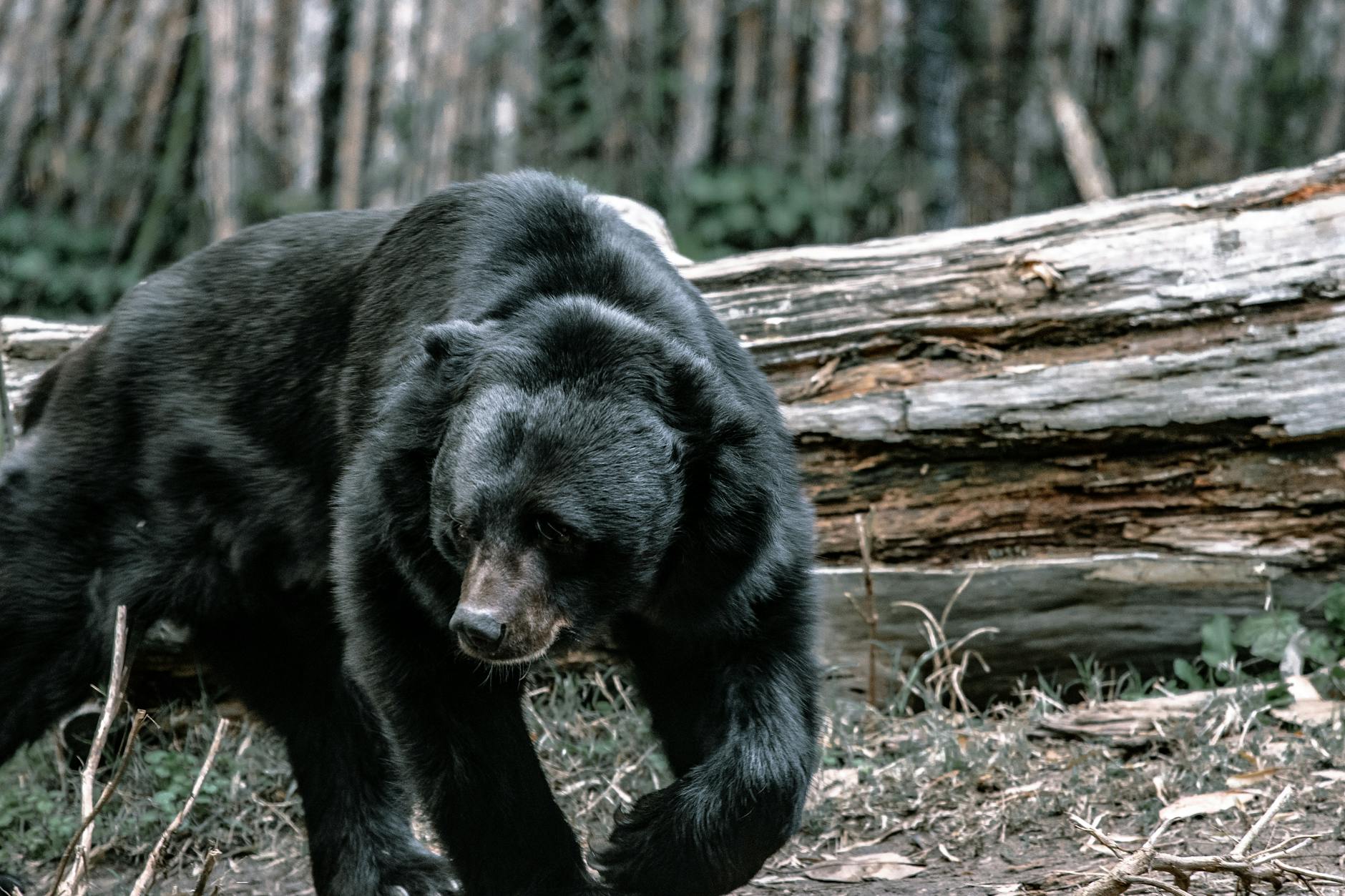
Keep A Safe Distance
The best way to keep yourself safe from a bear is to stay far away from said bear.
The U.S. Fish and Wildlife Service has a page on bear safety that recommends staying a minimum of 100 yards (300 feet) away from bears at all times.
Bears have a huge ‘personal bubble’ and getting anywhere near them could make them feel threatened enough to charge or attack, especially if it’s a mother with cubs around.
It is in the best interest of the bears and of yourself to keep about the distance of a football field between you.

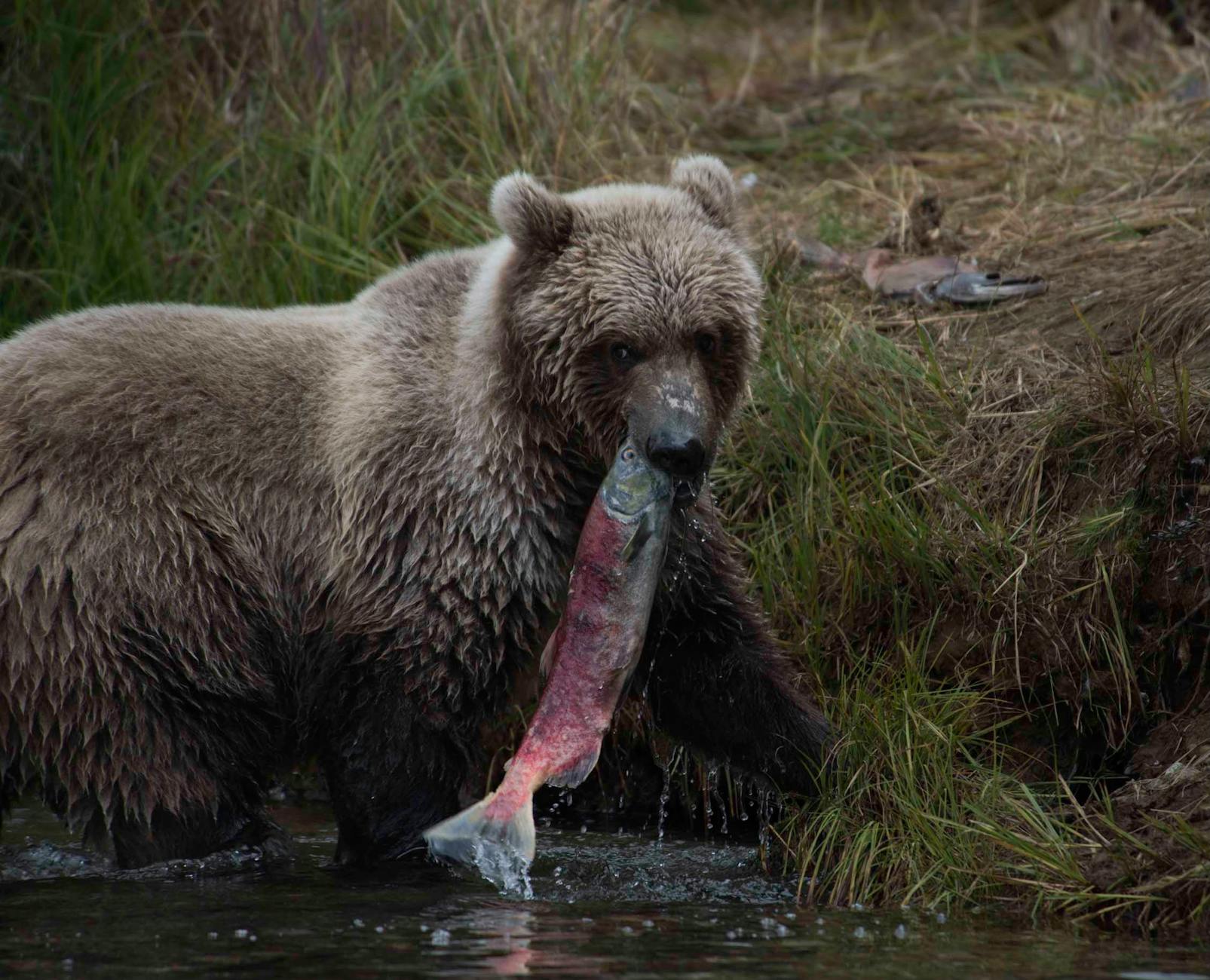
Do Not Feed The Bears
Attempting to feed wildlife is one of the easiest ways to get injured. Being near these animals is enough to provoke them, especially if you have food.
Bears that become comfortable with human food or being fed by people are more likely to wander into campgrounds, public areas, and even towns or cities, where they are required to be relocated or even euthanized due to their desensitization to our society and the dangers it poses to us and to them.
The bears are really good at finding their own food, and we should all allow them to do just that.
Carry Bear Spray
Suppose you have the unfortunate mishap of encountering a bear that decides you are a threat. In that case, your best chance at survival is having a can of bear spray handy and being familiar with how to use it.
Bear spray has been found to effectively halt bear/human encounters with a roughly 90% success rate for neither the person or the bear losing their lives. Those are pretty good odds!
I highly suggest purchasing a can of bear spray with a holster so that you can easily access it if the time comes to use it.
Next time you go out in the woods with your bear spray, give it a test spray (check which way the wind is blowing first, and make sure no people or animals are near) to get comfortable and familiar with how it works if you ever need to use it.
As an Amazon Associate, I may earn a commission from qualifying purchases made through the links provided on this page at no additional cost to you!

Do Not Run
Bears generally attack when they feel threatened, and one of the best ways to freak out a bear is by running through the forest.
Running (yes, even away) can spook the bear, especially if they have cubs – and trust me, they can run a lot faster than you can.
If you find yourself uncomfortably close to a bear, the National Parks Service suggests to slowly step away walking sideways and raise your arms (with your coat or backpack if you can) to make yourself look bigger.
Do not turn your back to the bear, and don’t attempt walking backwards to avoid tripping on anything.
Make Some Noise
Bears aren’t usually looking to interact, so if they can hear you wandering around, it gives the bear a chance to get away from you.
Plus, if they can hear you from a distance, they are less likely to get spooked if you accidentally get too close.
It’s highly suggested to hike in groups and to engage in conversation with your hiking buddies to help make yourselves known to your fellow outdoorsmen and the wildlife around you.

Remembering These Key Points
When we are out in the forests, National parks, and public lands we must remember that we are in the home of these magnificent beasts and it’s vital to our safety and to theirs for us to respect these wild animals in their natural habitats.
I’m so glad you’ve taken the time to learn more about how to be prepared in case you happen to run across a bear while you’re out enjoying the sunshine in bear territory this spring or summer.
Always remember these key points!
- Keep a safe distance
- Do not feed the bears
- Carry bear spray
- Do not run
- Make some noise
By using caution and common sense, you can keep yourself and your loved ones safe in the wild, no matter what your outdoor recreation of choice is.
Thanks for reading, and don’t forget to stay bear aware!
-Jessica C.
 Bigfoot's Friend
Leave a comment