While morel mushrooms might seem to appear out of nowhere and to grow whenever and wherever they choose, there’s actually some method to their madness—and the trees play a key role.

The Mushrooms Relationship With The Trees
Morels are often found near dead or dying trees because of a fascinating underground partnership called a mycorrhizal relationship.
Beneath the soil, morel mushroom mycelium forms a symbiotic relationship with the roots of certain trees. This exchange allows the mushrooms to draw essential nutrients while delivering moisture back to the tree’s roots.
Morel mushrooms require a ‘host plant’ to bond with in order to survive, and knowing which of these plants and trees the morels favor will seriously help narrow down your search!
This process is a great example of nature’s complex, interconnected systems – and a helpful clue for those of us hoping to find these elusive fungi.
The Morels Favorite Trees
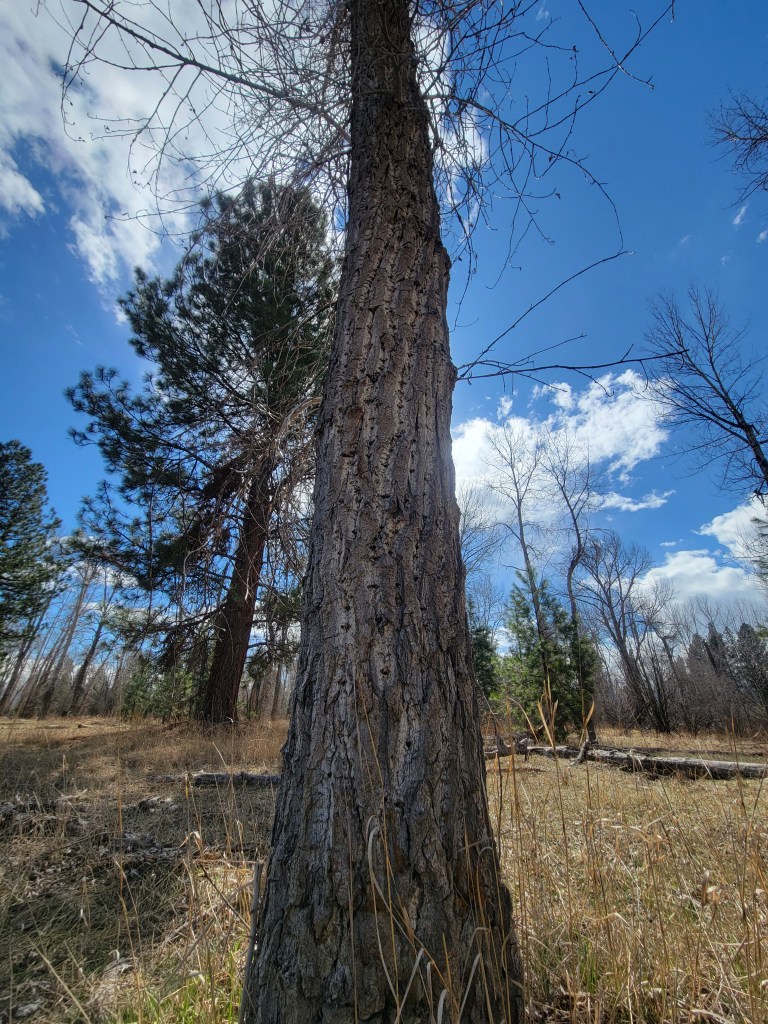
Not all trees are equal in the eyes of a morel. While the growth patterns of these fungi can seem random at best, morels do tend to favor a specific selection of tree species. Knowing what type of tree to look for can help narrow down where to look and bring you a basket full of mushrooms this foraging season!
Next time you’re out foraging, keep your eyes up to look for these favorites:
- Apple – Especially in old orchards!
- Ash – Morels are commonly found near Ash trees, especially as the trees begin to decay.
- Aspen – Near Aspen trees in the mountains is the perfect place to look for mushrooms.
- Cottonwood – Providing moisture for the mushrooms, these trees are frequently found near rivers and creeks, and are my personal favorite for finding morels.
- Elm – Morels often pop up around dying or recently dead elms.
- Fir – Finding morels near Fir trees is a little less common, but still worth checking in higher elevations.
- Oak – Being reliable companion species in many regions makes Oak trees a perfect contender for morel growth.
- Poplar – Especially promising after seasonal flooding or a lot of rain!
Identifying and locating these species of trees will help you know where to start searching the ground for fungi!
Timing Is Everything
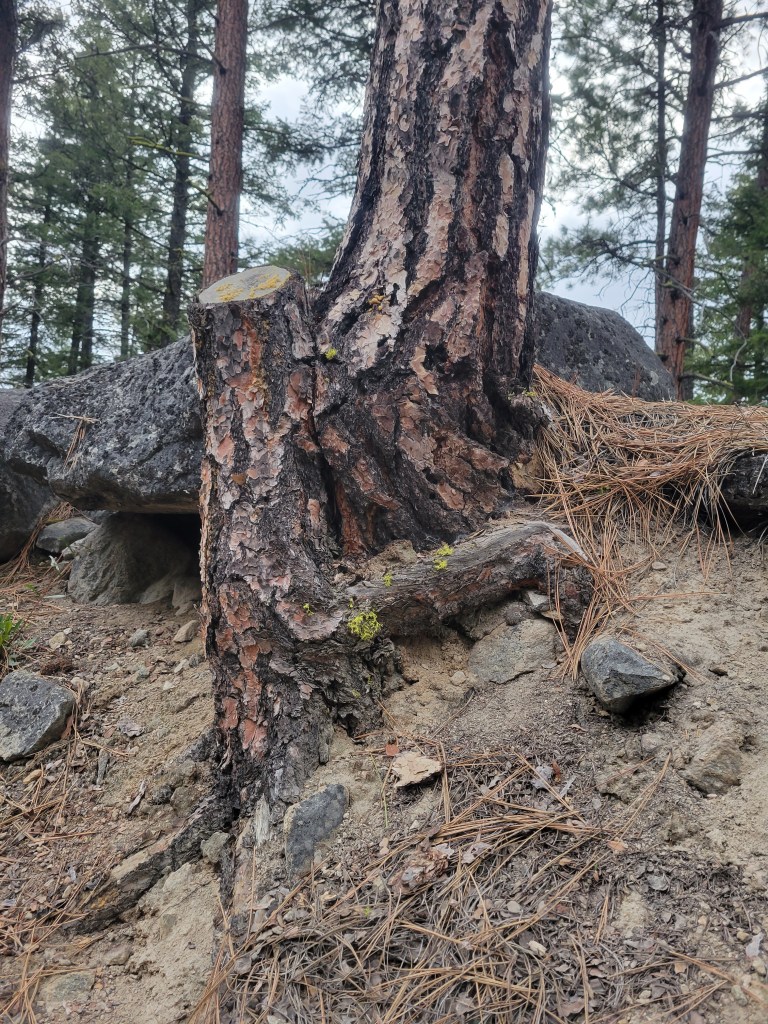
Morels typically begin to emerge in the spring once soil temperatures reach about 50°F and recent rainfall has added a boost of moisture to the ground.
One of the best times to go searching is a few warm days after a good rainstorm!
Also, pay attention to sunlight exposure. Morels tend to show up where the light peeks through the trees along the edges of clearings, forest trails, or old burn sites.
Combining tree knowledge with the right seasonal cues can greatly improve your chances of finding a plentiful morel mushroom honeyhole this year!
Final Thoughts: Trust the Trees
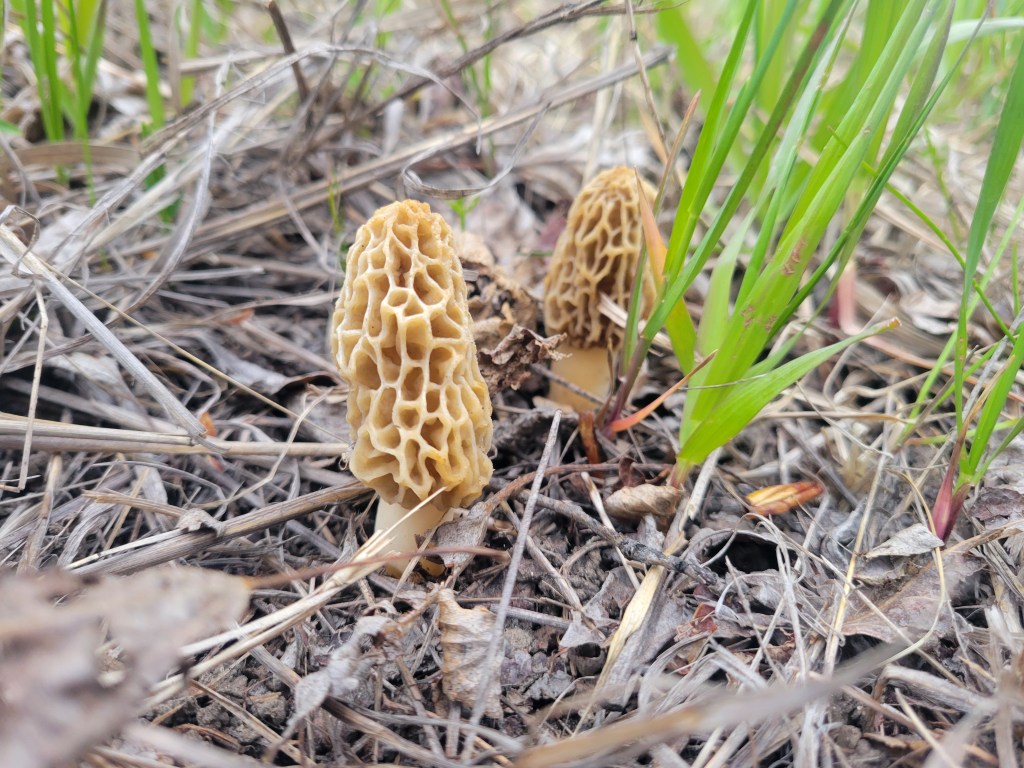
Foraging for morels is part luck, part knowledge—and a whole lot of fun. As you explore the woods this spring, use the trees to help guide your search. Recognizing which species tend to create these fungal friendships can turn a casual hike into a treasure hunt. Every foraging adventure becomes more exciting when you know what to look for!
So grab your mesh bag, look up, and follow the trees. You’ll be sure to have good luck in finding delicious morel mushrooms this spring!
Thanks for reading, happy foraging!
-Jessica C.
 Bigfoot's Friend
Leave a comment