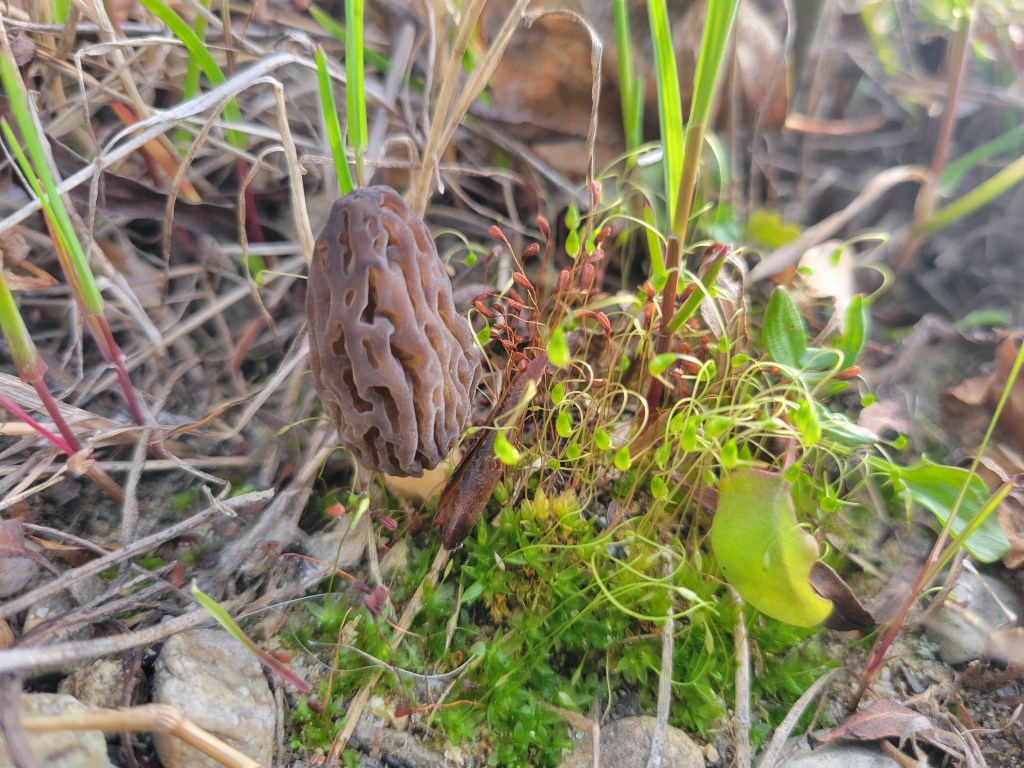
For many outdoor enthusiasts and wild food lovers like myself, spring means one thing — morel season. These iconic, honeycombed mushrooms are not only prized for their rich, nutty flavor but also for the thrill of the hunt.
While it may seem like morels pop up randomly, their emergence is actually deeply connected to seasonal changes, particularly temperature and moisture.
Understanding how weather and elevation play a role can significantly boost your chances of finding these elusive forest treasures!

The Perfect Conditions for Morels
Morels don’t grow just anywhere at any time—they have specific preferences. The magic typically begins when soil temperatures reach 50–60°F (10–16°C). Air temperatures that hover between 60–70°F (15–21°C) during the day and 40–50°F (4–10°C) at night are considered ideal for growth.
These conditions generally appear in early to mid-spring, depending on your location and elevation. Lower elevations tend to begin growing mushrooms in February-March, while high elevations wont see these mushrooms until late April or May.
But it’s not just about heat.
Moisture is equally important.
Morels love damp, but not waterlogged, soil. A soaking rain followed by several warm, sunny days often signals the beginning of a morel flush! Too much rain can cause rot, while too little rain can stunt their growth or keep them underground.
Keep an eye out for weather patterns that include spring showers followed by rising temperatures — this is your cue to get out there and start looking!
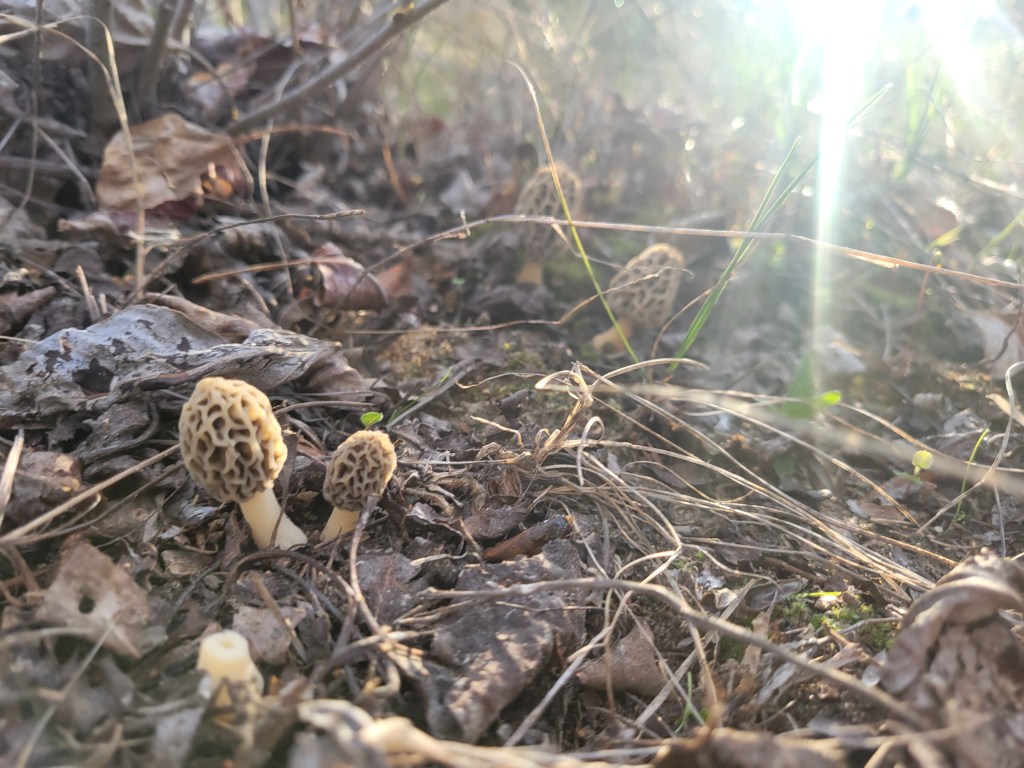
Elevation and Micro-climates
If you live in or near mountainous terrain, understanding elevation-based temperature zones can help you fine-tune your search.
Morels appear earlier at lower elevations and later at higher ones as spring temperatures slowly climb uphill. For example:
- At 500–2,000 ft (300–600 m), you might start seeing morels as early as February or March.
- At 3,000–4,000 ft (900–1,200 m), the season may begin in late April to May.
- Above 5,000 ft (1,500+ m), you might not see them until late May or June, depending on local climate.
These staggered bloom times allow you to “chase the season” uphill, expanding your foraging window across several weeks and gives you the opportunity to take advantage of the whole growing season!
Watch the Trees, Too
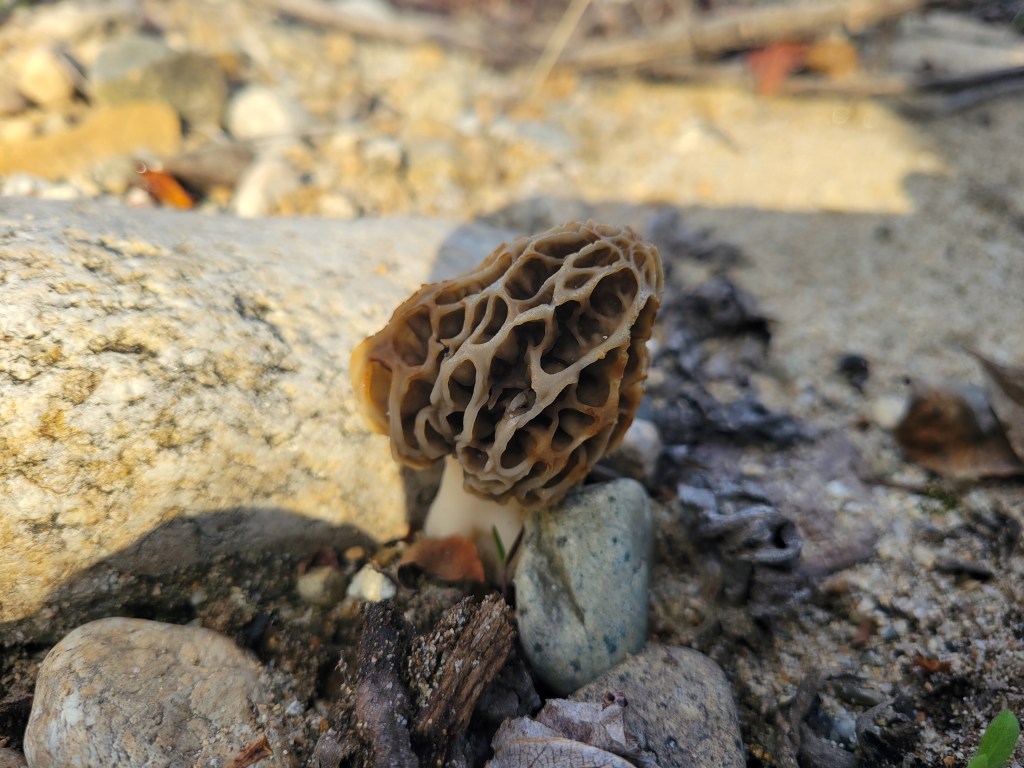
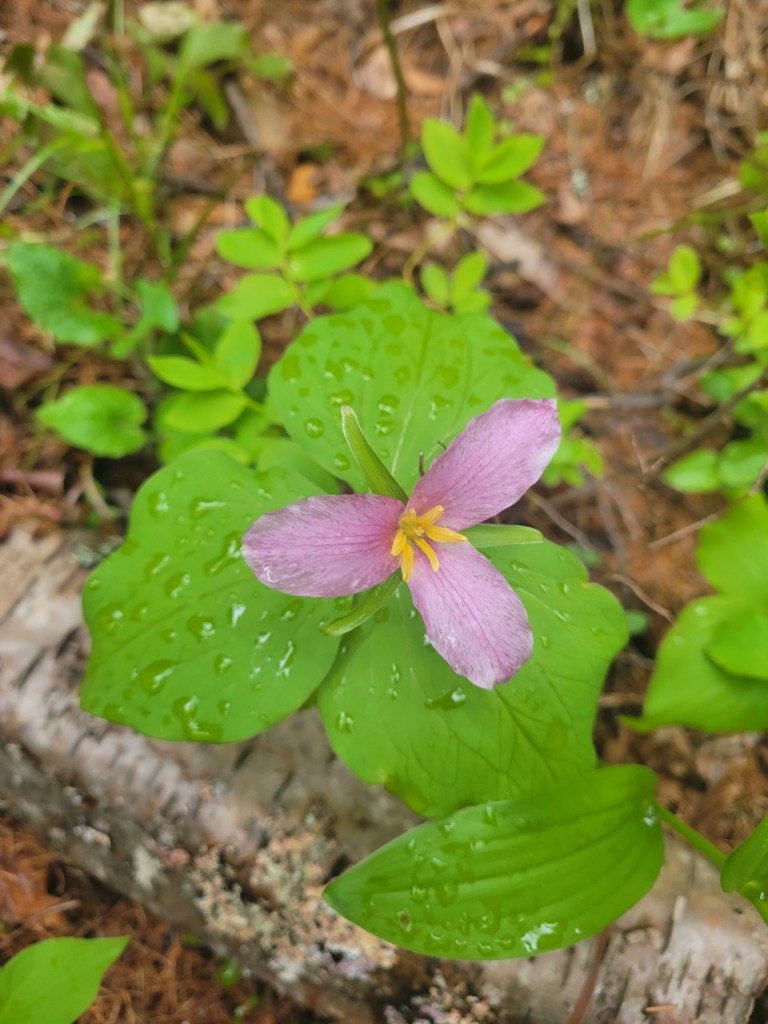
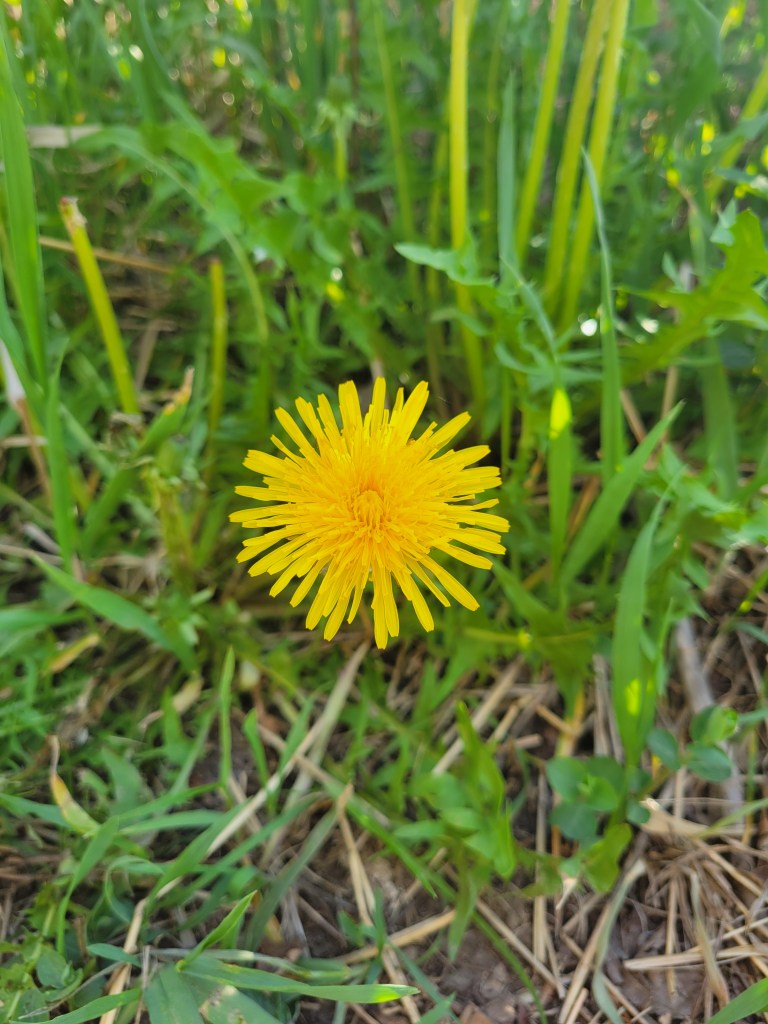
Certain tree species can signal when the soil is warming up just right. Look for morels near elm, ash, poplar, cottonwood, and old apple trees, especially those that are dead or dying. When you see trillium, daffodils, and dandelions beginning to sprout and bloom, it’s usually a good sign that morels are beginning to grow.
Extra Tip: Know Your Zone
Regional climate also plays a role. In the Pacific Northwest, for example, snowmelt and forest burn areas are key indicators, while in the Midwest and Appalachian regions, floodplains and old orchards are hot spots.
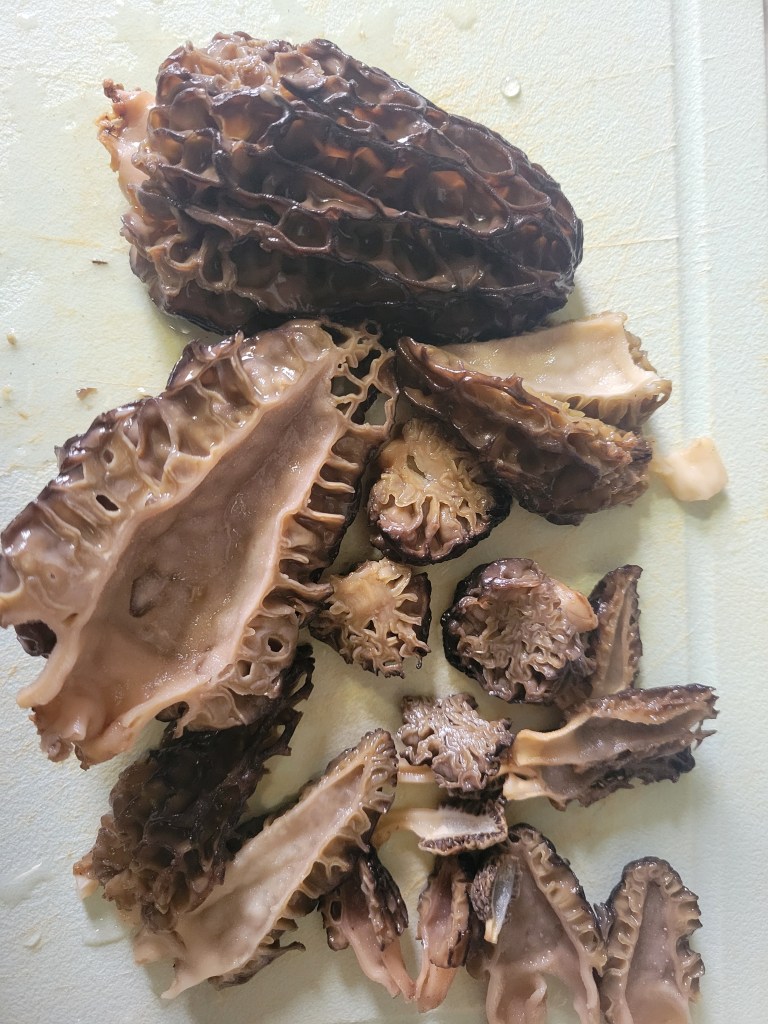
Patience and observation are essential when foraging for morels. By learning to read the weather, watch the temperatures, and follow the elevation changes, you’ll start to see patterns in where and when morels appear.
It’s part science, part intuition, and all adventure! So grab your gear, watch the forecast, and hit the woods when conditions line up—you just may find your very own honey-hole.
Thanks for reading, and happy hunting!
Jessica C.
 Bigfoot's Friend
Leave a comment