
North America is a beautiful continent filled with a diverse variety of trees, shrubs, fungi, weeds, cacti, grasses, and flowers. Did you know that many of the plants that have been quietly thriving in the wilderness here for centuries are edible?
Of course, we have orchards, vineyards, farms, and gardens across the nation where millions of pounds of domesticated fruits and vegetables that originate from around the globe are produced in controlled environments every year.
However, today let’s ditch the ordinary and dive into the wilderness to uncover the most intriguing and unexpected edible plants native to North America.
Picture this – finding your next dinner amidst the untamed beauty of nature. It’s a thrilling experience that connects you with the land in a whole new way. I hope that you will learn a thing or two about the plants all around us and maybe even feel inspired to see what incredible edible things may be growing in your backyard!

The pawpaw is a tropical-looking fruit that is produced by a small tree in North America that has thin trunks and branches, with big oblong leaves and purple flowers. It’s the largest edible fruit native to North America, growing between 3”-6” in length, with an appearance similar to a mango. Pawpaw’s can be found in more than half of the United States, ranging from the south, up to the Midwest, and all the way east. They generally grow in low forests and well-watered areas such as slopes, ravines, and along streams.
This unique fruit is known for its flavor which is famously described as a mix between a banana and a melon, and its creamy, custard-like texture. Pawpaw is usually eaten raw or made into delicious desserts and smoothies! A fun fact about pawpaws is that the tree tends to produce fruit best when two trees are growing next to each other!

Ramps are essentially North American green onions. They are known for their peppery, garlicky flavor. Not many vegetables are indigenous to North America, which is what makes ramps special. The bulbs grow underground like any onion, with long, thick green leaves that sprout out of the ground. Ramps are usually found on the eastern side of the country, ranging from states as far Southwest as Oklahoma, all the way up into Canada. They tend to grow naturally around birch, oak, linden, and hickory trees in partially shady, well-watered areas.
This vegetable is very popular among springtime foragers, especially because their growth period only lasts about 6-8 weeks annually. You’ve got to enjoy them while you can!
Ramps are enjoyed fresh, or cooked. You can use ramps as a substitute for onion or leeks in any recipe, and they make a great garnish.
Oyster Mushroom (Pleurotus ostreatus)
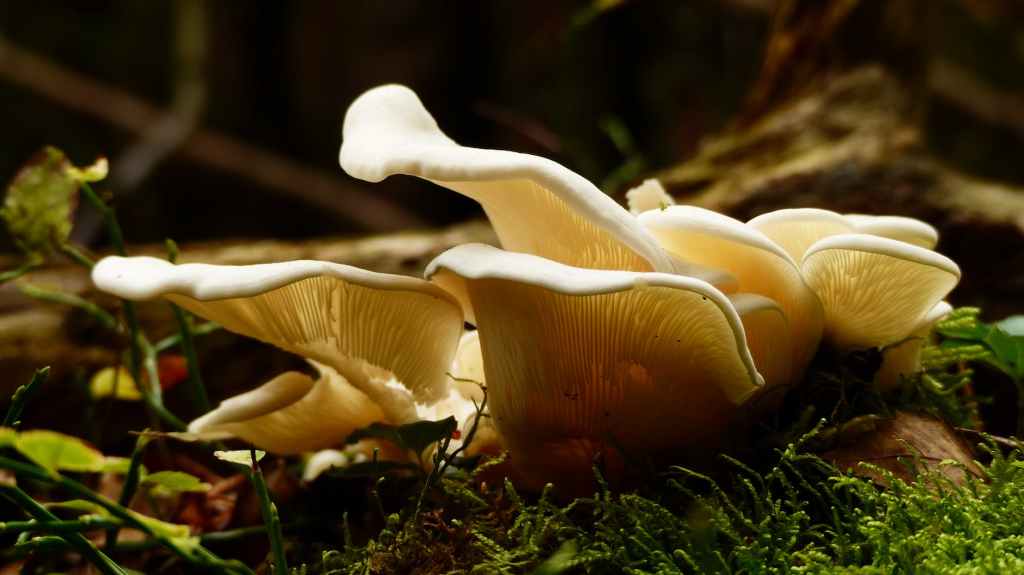
Oyster mushrooms are personally one of my favorite forest finds. They have a distinctive fan-like appearance, with broad caps, long thin gills underneath, and a coloration that can range from white to pale gray or even light brown. Oysters are often found thriving on dead or decaying trees, making them relatively easy to spot once you’re familiar with how they look. You can find them in the springtime and in the fall!
Oyster mushrooms have a mild flavor and a soft meaty texture. They are best enjoyed cooked and are great for stir-fry, pasta, or simply sautéed in butter as a side. Many foragers dehydrate their oysters after harvest to have them accessible for meals year-round. Simply let your dehydrated mushrooms soak in a bowl of water and they will rehydrate and be good as new! Remember that wild mushrooms have toxic look-alikes that may be growing in the same environments, so it’s best to have an experienced forager and/or a reliable field guide confirm your findings before consumption. Wild mushrooms should not be consumed raw.
Wild Asparagus (Asparagus officinalis)
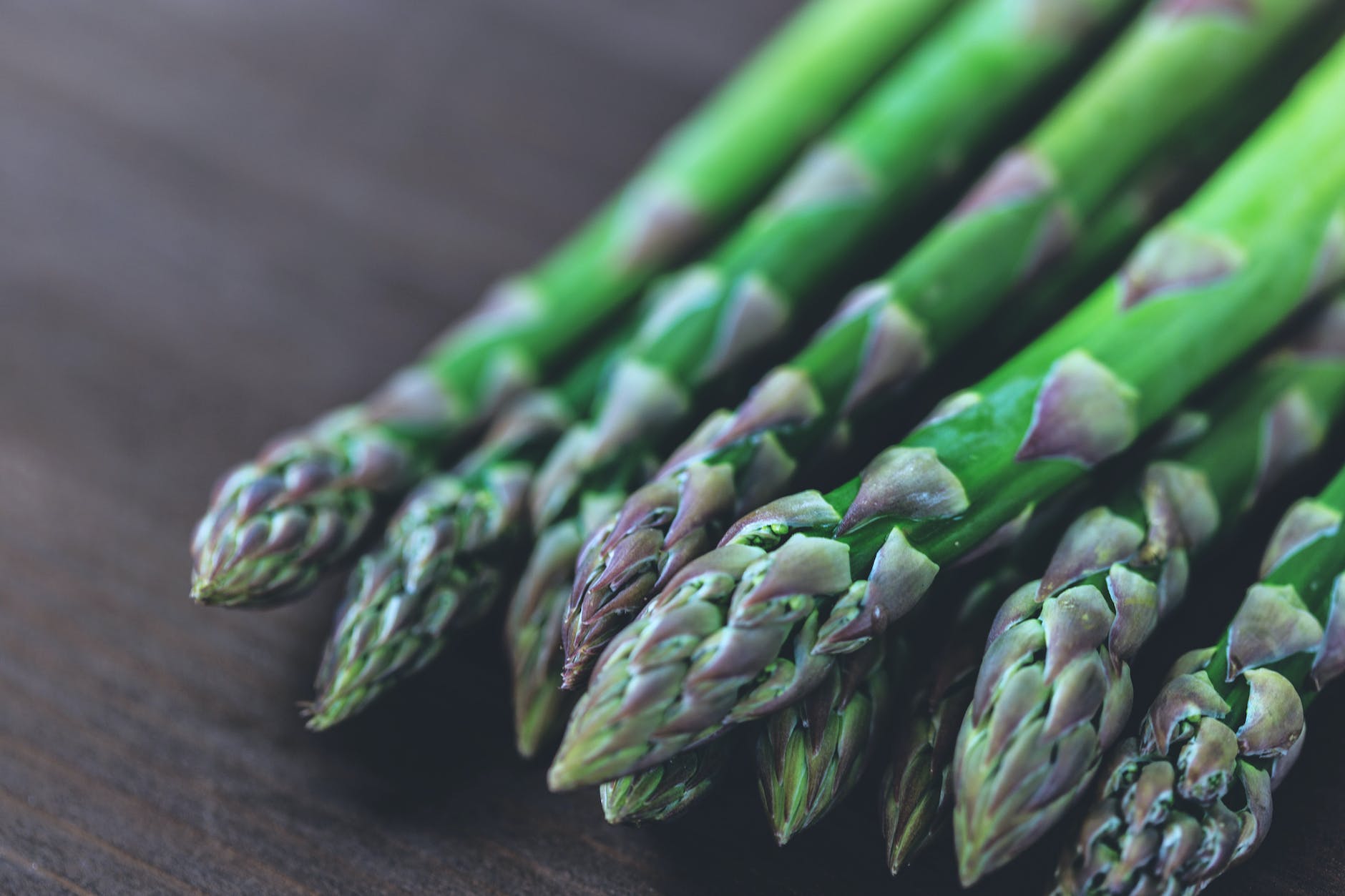
That’s right, Asparagus grows wild, all over the country! The Asparagus you’ll find in the wild is just the same as what you can buy in a grocery store… but it’s wild! Asparagus tends to grow in rural areas with lots of sunshine and near a water source, so the best place to find them growing in the springtime is actually along irrigation ditches, streams, and rivers.
In the springtime on the backroads of small towns you’ll often see tire marks swerving back and forth on the dirt roads, which means someone has been there picking (or at least looking for) Asparagus. (I don’t condone driving like that to forage… The best way to find good food in the wild is with your feet on the ground!) Wild Asparagus can be prepared and eaten as you normally would, with a sprinkle of satisfaction that you picked it yourself!
Wild Lowbush Blueberry (Vaccinium angustifolium)
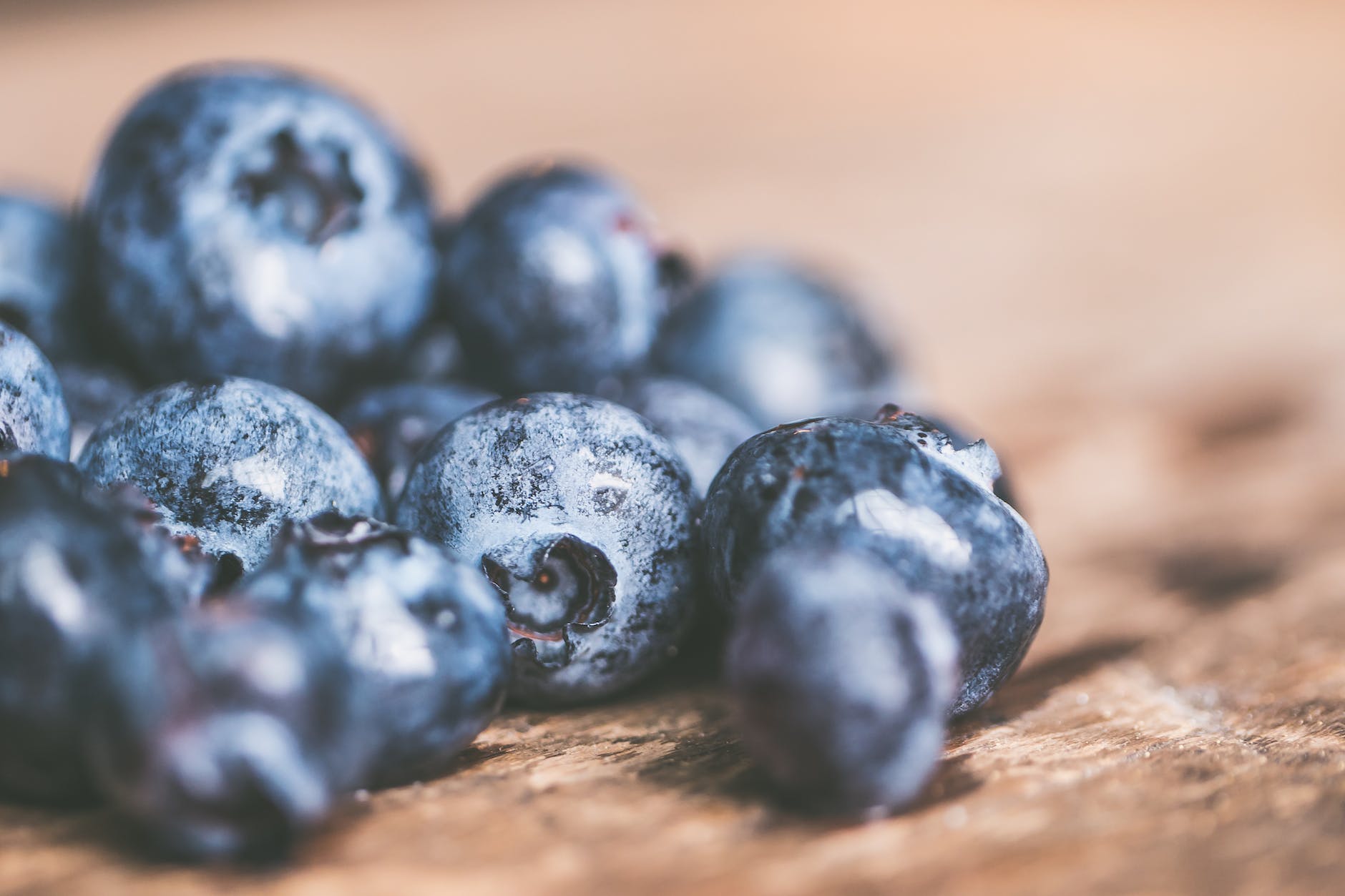
Wild blueberries grow on short thin shrubs that can take between 8-10 years from seed before producing any fruit! Wild blueberries can be found all across the country, however, they are mainly found in the Northeastern states in mountainous regions. The state of Maine is the #1 spot to find them! Blueberries require lots of water and sunlight and they prefer to grow in higher altitudes which is why you will generally find them in the mountains. Because wild blueberry growth is so dependent on specific environmental factors such as the climate and the altitude, their fruiting season can begin as early as May and run as late as the end of August.
Wild Blueberries have an edible look-alike berry that grows exclusively in the Pacific Northwest, called a huckleberry. A huckleberry is a slightly smaller, sweet, tart, dark purple berry. Huckleberries are considered a purple prize from the forest in states like Washington, Oregon, Idaho, and Montana.
Prickly Pear Cactus (Opuntia spp)
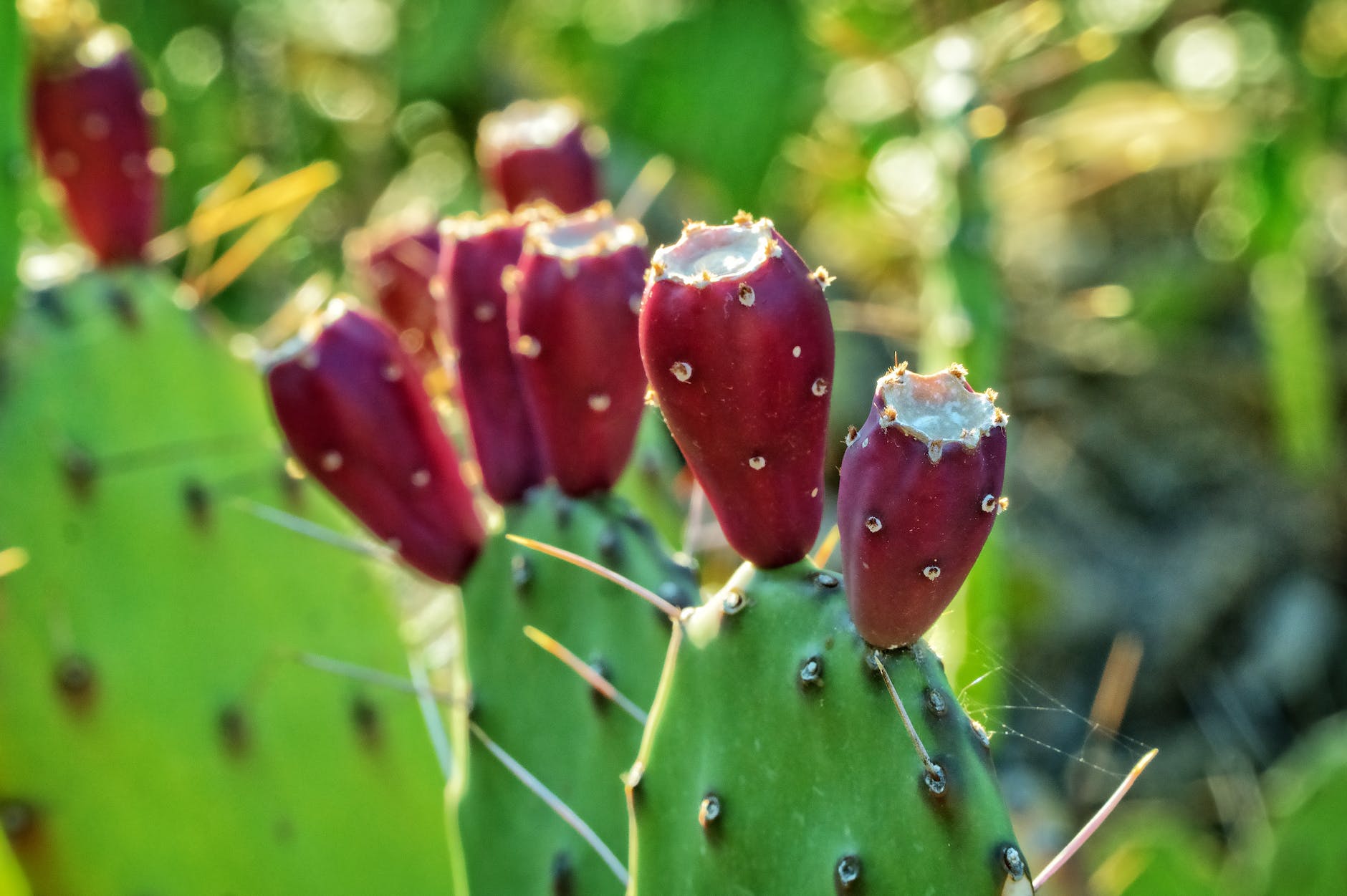
I bet you didn’t think a cactus would be on this list! The prickly pear fruit grows on a cactus that can be found in all of the continental U.S. states, Mexico, and even in parts of Canada. Prickly pear cactus can be found in open, dry areas and they require full sunlight to survive. During the winter and in colder climates the roots of the cactus need to be able to dry up underground to avoid rotting in the damper weather, which means they are generally only found in areas with thin soils and rocky terrains. They are often found on the side of the road, along fence lines, cliffs, and prairies.
The cactus produces an oblong red fruit along the edges of the cactus pads; both the fruit and the pads are edible. The pads and fruit both grow spines so be cautious while foraging, it’s best to use thick gloves and tongs. The spines can be cut off of the fruit and pad, and the skin peeled to enjoy the sweet, juicy, nutrient-filled inside. Aside from being eaten peeled and raw, prickly pear is commonly used in smoothies, desserts, syrups, and fresh fruit waters.
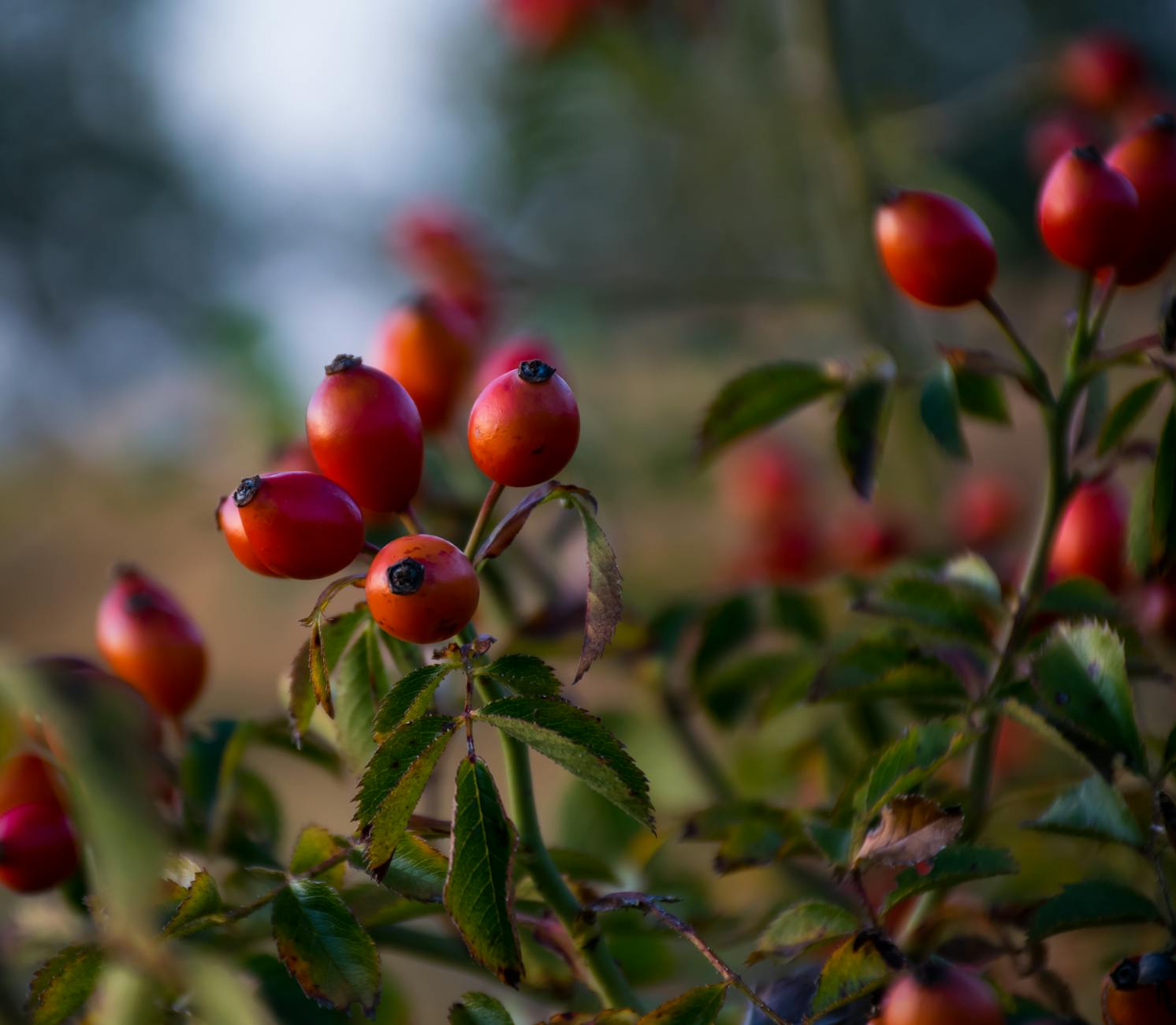
Rose hips are a small oblong red fruit that grows on a rose bush after the flower is spent for the season. The fruit (called rose hips, or hips) appear in the fall and are best harvested after the first light frost, and can be foraged mid-way through the winter (as long as the birds don’t get to them!). You can find them on every variety of rose bush, wild or domesticated. If you want to get rose hips from your bushes at home, do not prune the dead flowers off at the end of the season, leave them be and they will grow into delicious little fruits in the fall!
Rose hips have a flavor that is a little sweet, but mostly tart- similar to a crab apple, and they are extremely rich in vitamin C! The seeds inside the hips must be removed before consumption, they aren’t toxic, but trust me, they won’t make you feel good. Rose hips are usually enjoyed made into jellies, syrups, and tea!
Jerusalem Artichoke (Helianthus tuberosus)
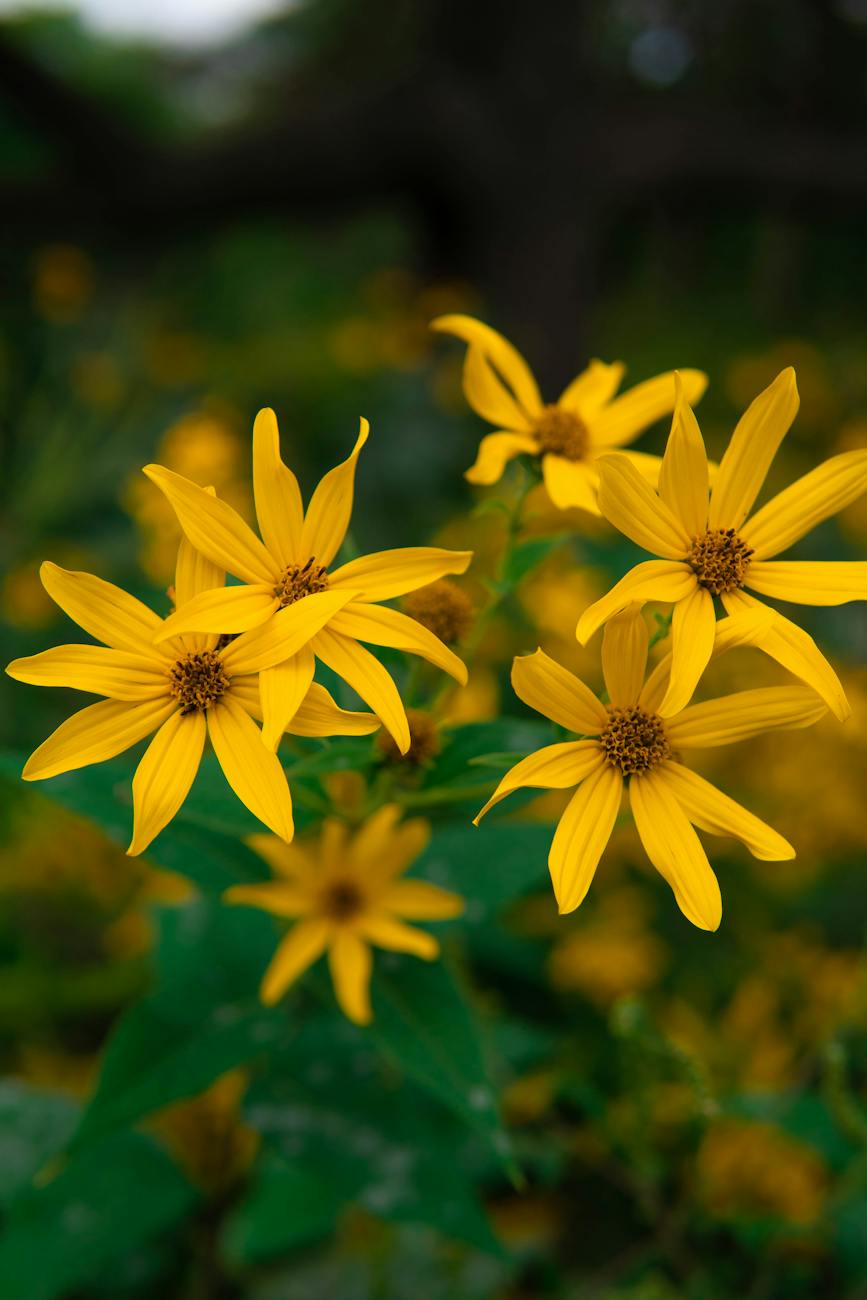
Surprisingly, Jerusalem artichokes, also known as sunchokes or sunroot, are not at all artichokes. “Sunchokes” are a potato-like root vegetable that comes from a plant that is part of the sunflower family! Since they are technically a sunflower, Jerusalem artichokes require full sunlight to grow properly. Jerusalem artichokes are usually found in central North America, up into Canada.
The stems grow beautiful yellow flowers and can grow up to 6’ tall. However, since it is a root vegetable, all of the magic happens underground. The root (technically called a tuber) resembles a combination of a potato and ginger root, with a rich nutty flavor, much like a chestnut. Jerusalem artichokes can be eaten raw or cooked, but are usually used as a substitute for potatoes, carrots, or turnips. They are delicious boiled or roasted as well!
Dandelions (Taraxacum officinale)
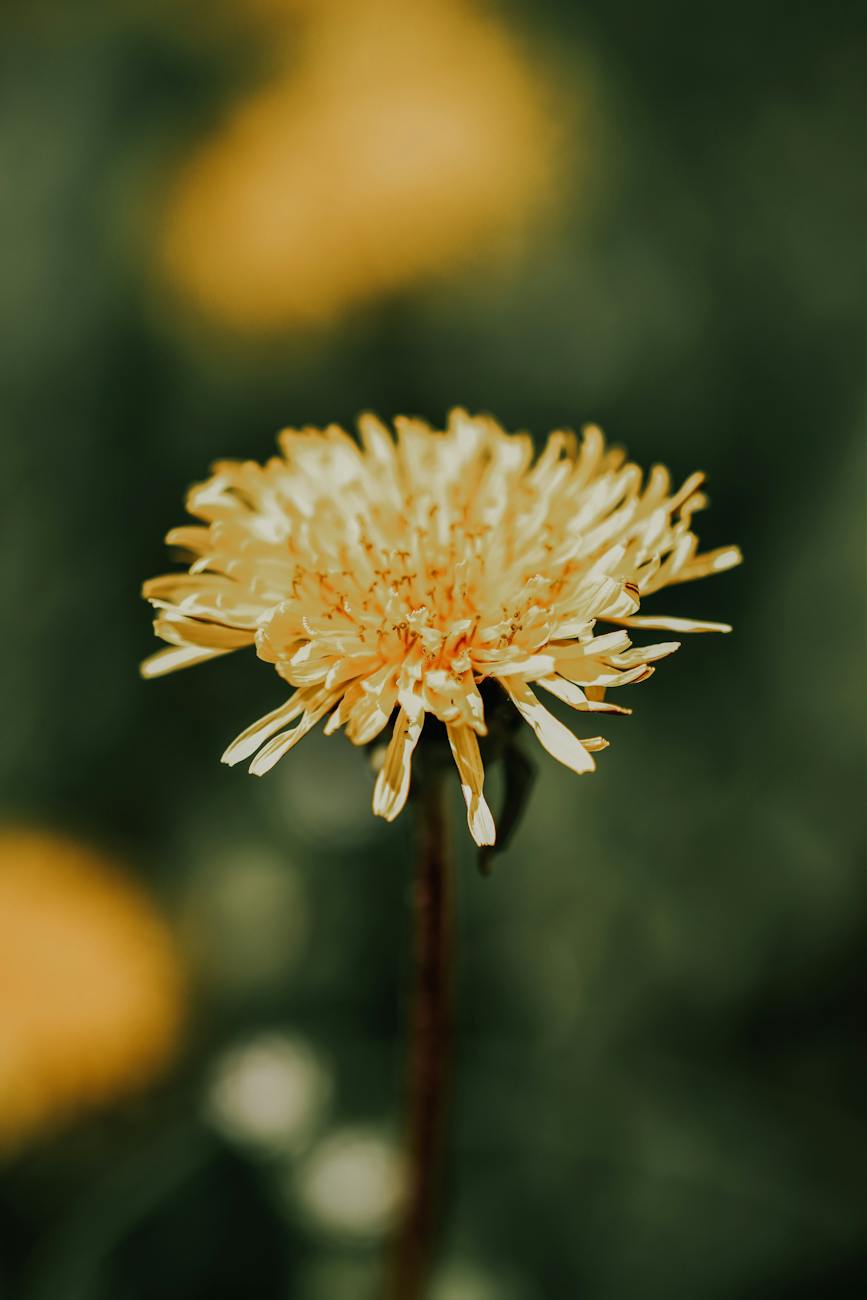
Yes, dandelions. The very weed that you have spent your life trying to rid your yard of, is edible! And quite delicious, too. Now, don’t go picking the dandelions that you’ve been spraying with weed-killer and pesticides all summer, or the ones in the public playgrounds and parks. You’ll want to go out to the forests, rivers, fields, and mountains where you can find fresh (clean) dandelions.
Every part of the dandelion plant is edible. The leaves have a slightly bitter and spicy flavor which makes it a great substitute for arugula. The leaves and flowers can be eaten fresh or cooked and are great in salads. The flowers can also be dried to be used in teas. One of my favorite ways to use dandelions is to make a sweet dandelion jelly! Dandelions are good for you as well. They are rich in vitamins and minerals such as calcium, potassium, folate, and vitamins A, C, and K. Next spring try letting a patch grow at home so you can try a dandelion salad or jelly for yourself!

Photo by Jessica Chaidez
The elusive morel mushroom is one of the most highly desired wild mushrooms in North America. From the silicone-looking outside to the hollow inside, morels are an outer-worldly-looking mushroom. Morels grow in nearly every US state and can be found almost exclusively in the mountains where a forest fire has occurred in the past 3-5 years, and on south-facing hills and slopes. They grow from the ground, generally around dead or dying pine, cottonwood, elm, and poplar trees. The mushroom is the fruit of the mycelium (mycelium is the mushroom’s “root” system underground) which means if you find one morel, there’s a very good chance you’ll find a few (or a lot) more within 15-20 feet. They can be found growing alone, or in clusters and it’s best to cut or pinch the mushroom off at the ground to preserve the mycelium for future harvests.
Morels do require cooking before consumption! With any wild mushroom, make sure to have an experienced forager and/or a reliable field guide to help you properly identify the species of mushroom. Morels do have an extremely toxic look-alike, aptly named the “false morel”. Just like the oyster mushrooms we talked about earlier, when foragers find enough morel mushrooms to last more than a day, they will dehydrate their mushrooms for storage so they can rehydrate for meals in the future. Morels are usually enjoyed sautéed in butter, battered and fried, or my favorite option: put them on pizza!
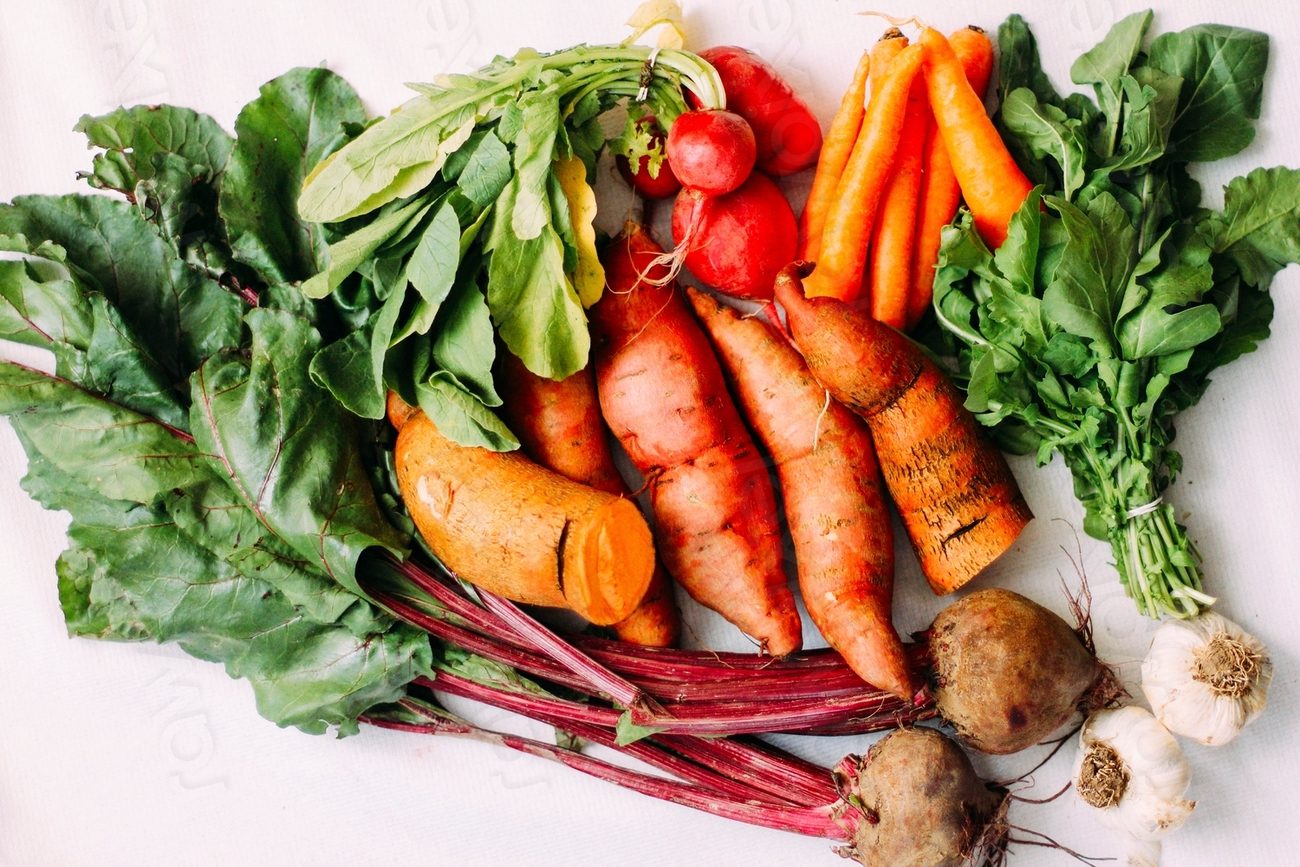
Now that you know a little bit more about the land we live on, embrace the thrill of foraging and the endless learning opportunities it presents. Nature has gifted us a bountiful pantry, just waiting to be explored! Venture into the outdoors with a curious mind, armed with your newfound knowledge about the edible wonders that surround us. Whether it’s the familiar trees in your backyard or the hidden gems in the wilderness, each plant has a story to tell and a flavor to share.
So, I encourage you to embark on your very own foraging adventure, explore somewhere new, and discover the culinary treasures available to everyone.
Happy foraging, fellow adventurers!
-Jessica Chaidez
 Bigfoot's Friend
Leave a reply to Top 5 Must-See Hiking Trails in the Bitterroot Valley, Montana – Bigfoot's Friend Cancel reply