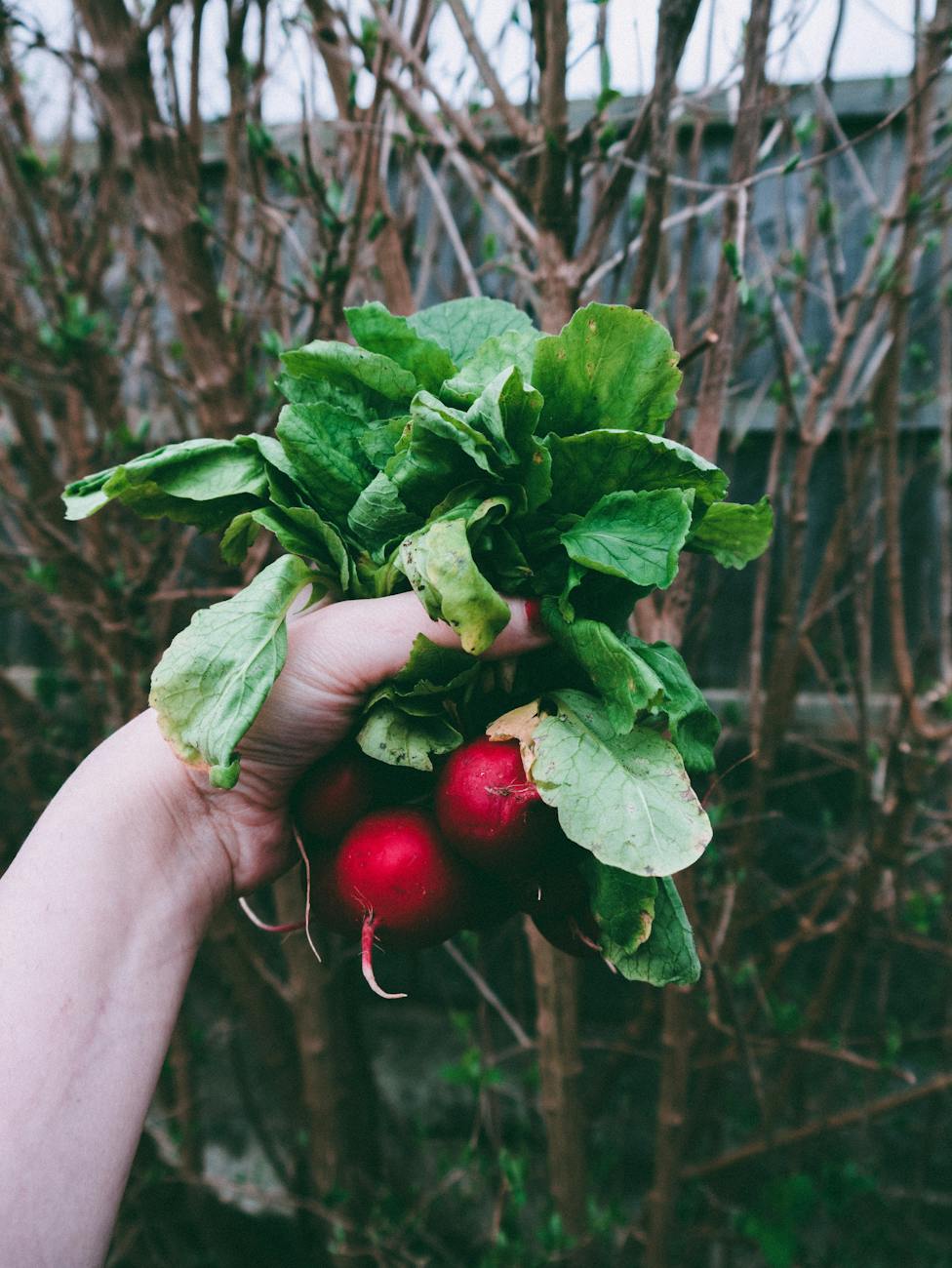
In today’s modern world, one might wonder why anyone would practice foraging in the 21st century. We have grocery stores, restaurants, gardens… We even have services that will drop food off at your front door! So why would anyone take the time and effort to hike a mountain for a chance to possibly find a mushroom… Right?
According to my fellow foragers today, this practice allows you to taste new flavors, learn self-sustainability tactics, and create memories and experiences you could never find in a fast food restaurant.
Plus, I mean, who doesn’t love a free dinner?
A Natural Connection:
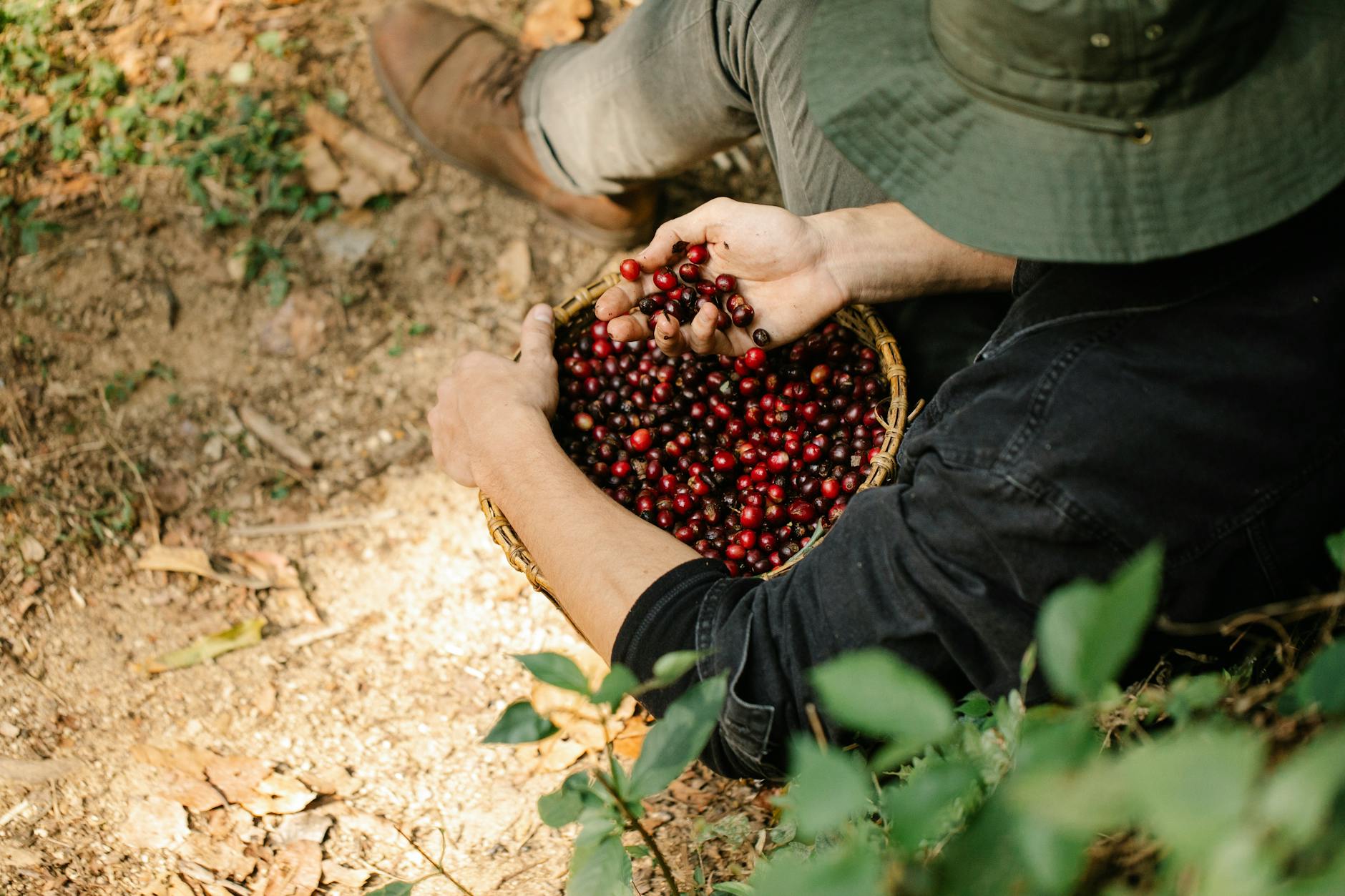
Being out in nature and really paying attention to the details of the plants and the trees allows you to connect with the natural world in a new meticulous way.
Spending time outdoors, exploring forests, fields, and shorelines, and learning about what each terrain is made up of, and what types of plants and creatures each differing environment sustains, helps us to understand a deeper appreciation for the beauty and diversity of the natural environment.
Not to mention that spending time in the sunlight and fresh air is SO good for you!
Sustainability:
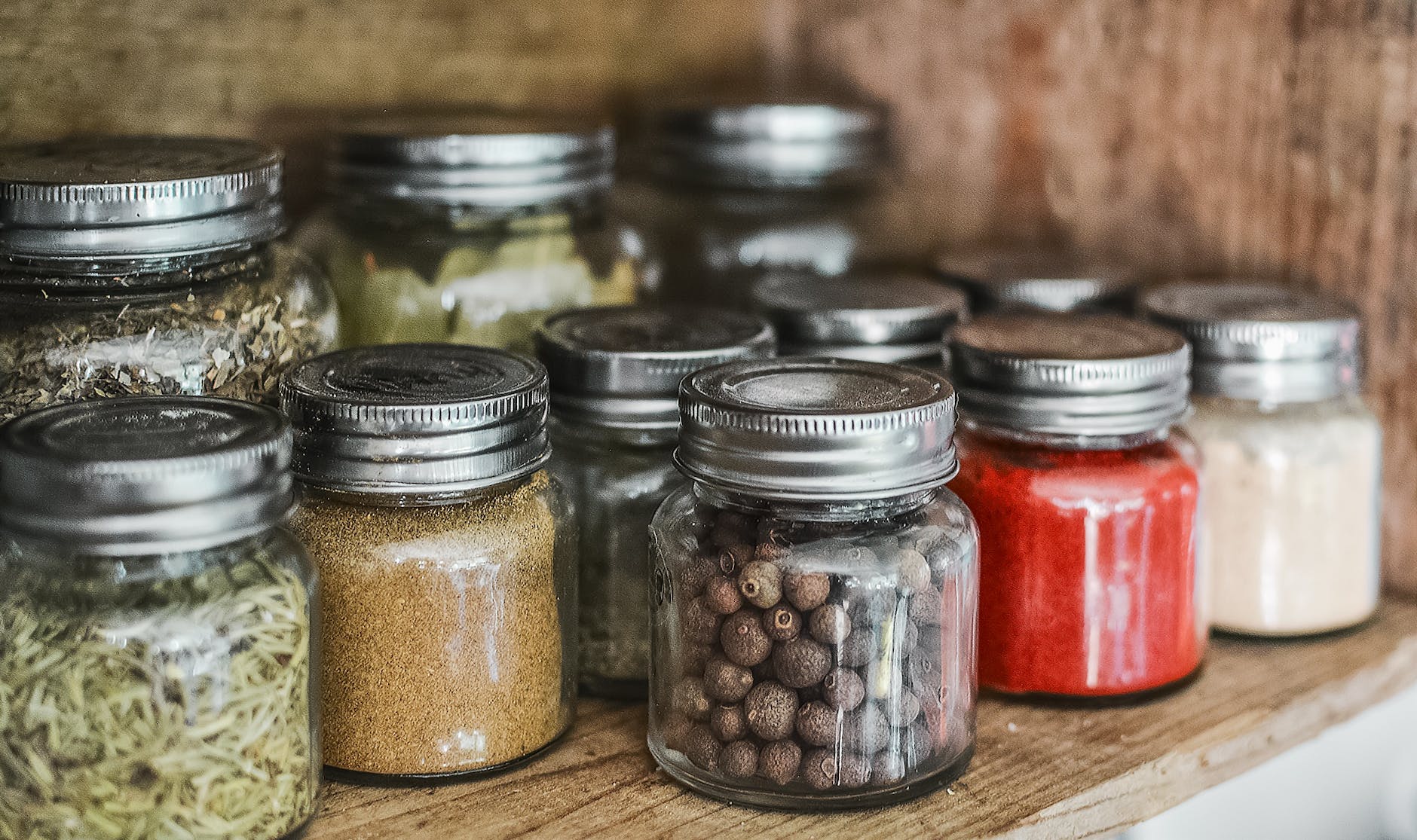
- Foraging for food seasonally offers numerous sustainability benefits that contribute to a healthier environment and more resilient families and communities. By harvesting wild edibles directly from natural ecosystems, you can reduce your reliance on industrial agriculture which allows you more independence and helps minimize the environmental impact associated with conventional food production.
- Foraged foods require no cultivation, irrigation, or chemical inputs, resulting in a significantly lower carbon footprint compared to commercially grown crops.
- Foraging will help you spend less money, create less garbage, and appreciate the food you eat just a little bit more than before.

Nutritional Diversity:
- Wild plants, fungi, and berries offer a plethora of nutritional benefits that contribute to a well-rounded and diverse diet that otherwise is lacking in conventional meals (and fast food chains).
- Wild edibles are rich in essential vitamins, minerals, and antioxidants, often surpassing their cultivated counterparts in nutritional value.
- From nutrient-packed greens like dandelion, lamb’s quarters, and purslane to protein-rich wild mushrooms and wild berries bursting with vitamins and nutrients, foraged foods offer an unusual array of nutritional benefits that everyone could benefit from.
- Foraging can help you enjoy a diverse and nutrient-dense diet, incorporating wild greens, berries, roots, and mushrooms into your meals!
Culinary Creativity:
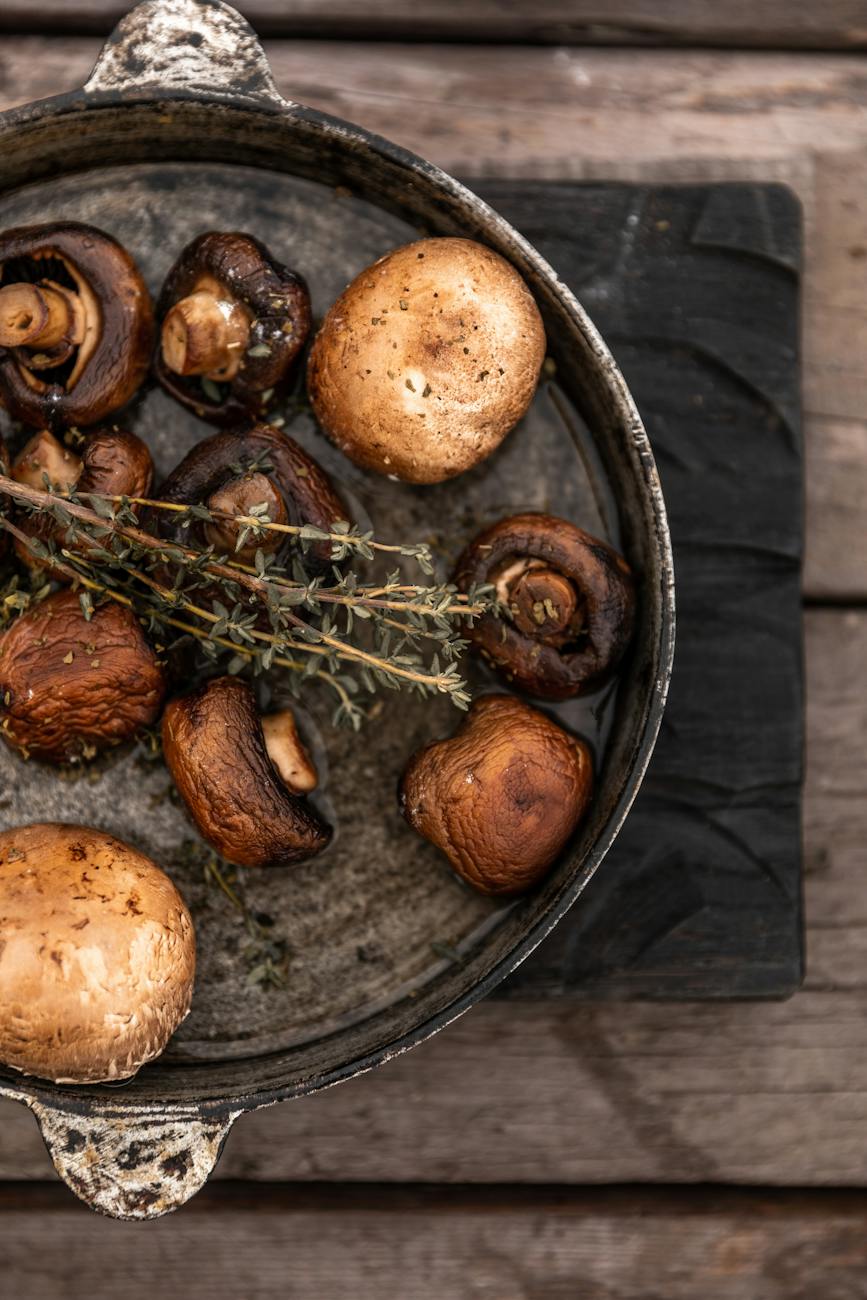
- Foraging can inspire culinary creativity and experimentation in the kitchen with the unique flavors and textures that wild edibles have to offer. From spicy wild greens and aromatic herbs to earthy mushrooms and flavorful berries, the bounty of nature’s pantry provides a vast array of ingredients to elevate every dish.
- Foragers have the opportunity to explore a diverse range of flavors, textures, and aromas that are unique to each season and ecosystem. Whether incorporating wild edibles into simple salads, savory soups, or gourmet entrees, the culinary possibilities are endless.
- By embracing the culinary diversity of foraged foods, chefs and home cooks alike can create truly memorable dining experiences!
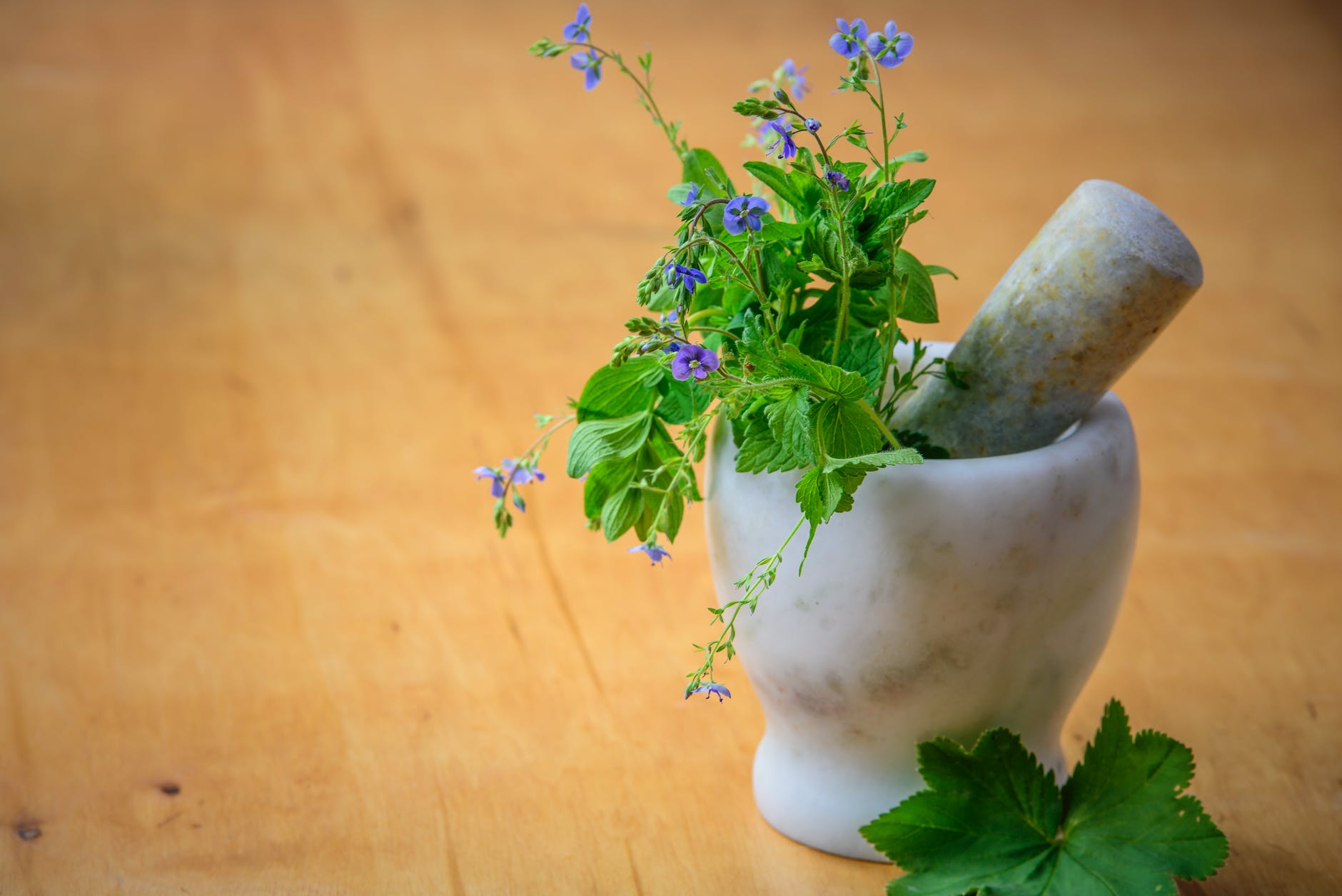
Medicinal Benefits:
- Many wild plants and fungi have medicinal properties that have been recognized and utilized by traditional healers for centuries. Foragers often seek out these natural remedies for their health-promoting properties.
- Foraging for wild medicinal plants offers a treasure trove of natural remedies that have been used for centuries to promote health and well-being. Plants native to North America, such as echinacea, elderberry, and yarrow, possess a myriad of medicinal properties that can support immune function, alleviate symptoms of common ailments, and promote overall wellness.
- Echinacea, for example, is renowned for its immune-boosting properties and is often used to prevent and treat colds and respiratory infections. Elderberry is rich in antioxidants and has been traditionally used to reduce inflammation and boost the immune system. Yarrow is prized for its anti-inflammatory and analgesic properties and is commonly used to relieve pain and promote healing. By harnessing the medicinal benefits of native plants through foraging, individuals can access natural remedies that support their health and boost their immune systems.
(However, please remember that I am an adventurer, not a medical professional, so this is not meant to be taken as medical advise!)
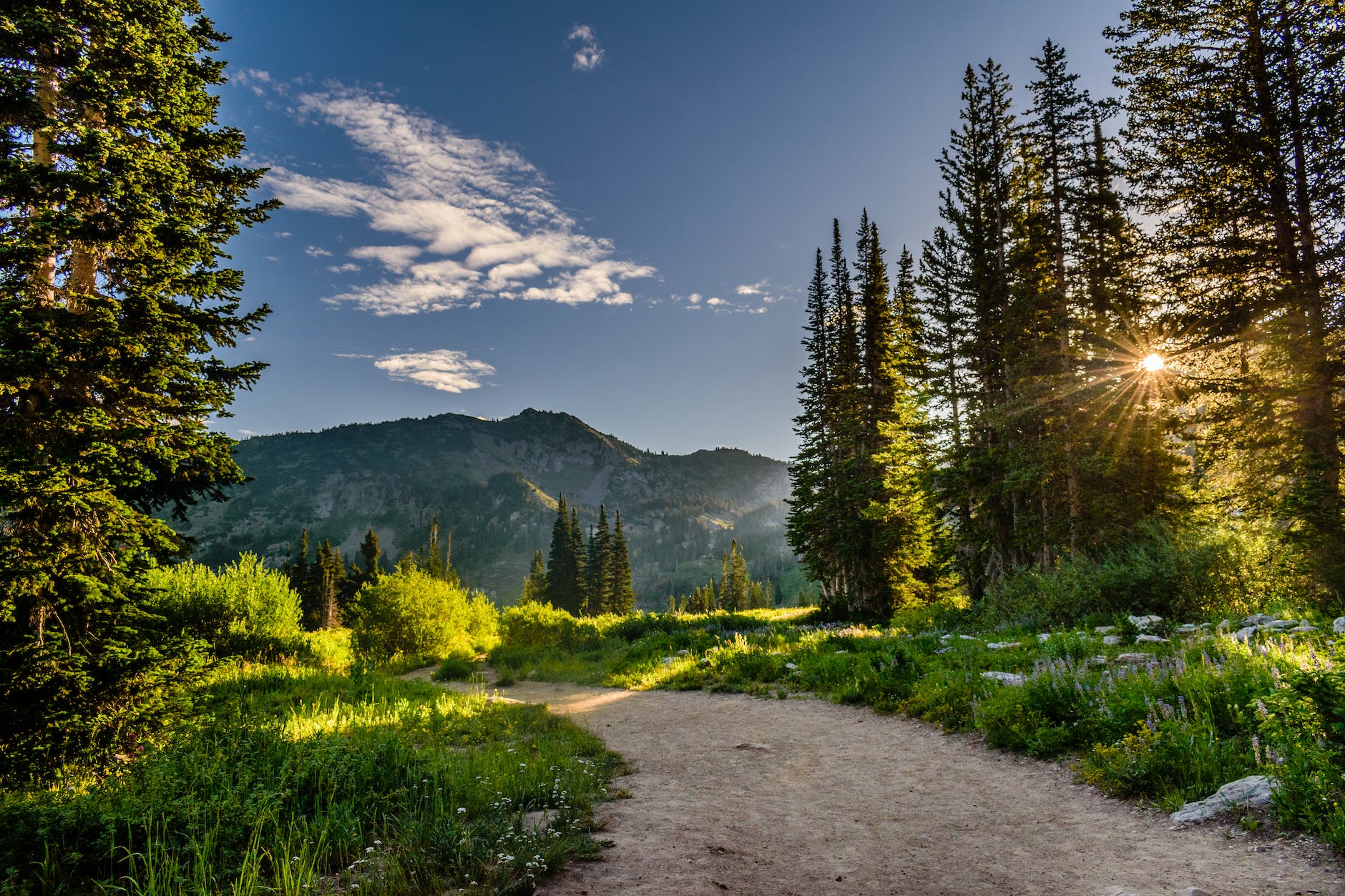
Where you can start foraging
From the forests of the Pacific Northwest to the coastal marshes of the Southeast, foraging opportunities are available across the United States. Here are a few examples of what incredible edibles you can expect to find depending on what part of the country you’re in!
- Pacific Northwest: Wild berries such as huckleberries, elderberries, and thimbleberries thrive in the lush forests of the Pacific Northwest. You can also find a wide variety of mushrooms around there!
- Appalachian Mountains: Foragers in the Appalachian Mountains can harvest a variety of wild greens, including ramps, fiddleheads, and dandelion greens. Of course wild mushrooms as well!
- California Coast: Along the coastline of California, foragers can discover an abundance of seaweeds, shellfish, and edible coastal plants such as sea lettuce, beach mustard, and sea beans.
- Midwest Prairies: The expansive prairies of the Midwest are home to a wealth of wild edibles, including wild onions, aspargus, pawpaws, wild plumbs, and much more!

Foraging is so much more than just a practical hobby – it’s a means of gathering food that is an enriching and rewarding experience that connects us to the land, our heritage, and the natural world.
By embracing the timeless art of foraging, we can rediscover the joys of exploring the outdoors, nourishing our bodies with wholesome wild foods, and growing a deeper appreciation for the wonders of nature.
As always, be cautious when you forage and bring reliable feild guides or friends with experience with you. Especially when it comes to mushrooms and berries you want to be 100% positive that what you are eating is safe!
Happy foraging!
-Jessica C.
 Bigfoot's Friend
Leave a reply to Dandelions: The Secret Ingredient to a Healthy Life – Bigfoot's Friend Cancel reply