As a lifelong resident of the Rocky Mountain ranges and a longtime nature lover, I was recently introduced to the captivating world of wild mushrooms and became immediately obsessed.
Over the past few years, I have studied the best methods and techniques for identifying and picking while navigating common controversies in the foraging communities.
Today I’m going to share with you my best tips and methods for picking mushrooms!
Mushroom foraging isn’t just a hobby; it’s a journey of discovery, a balance between knowledge and intuition, and an opportunity to open nature’s unique pantry!
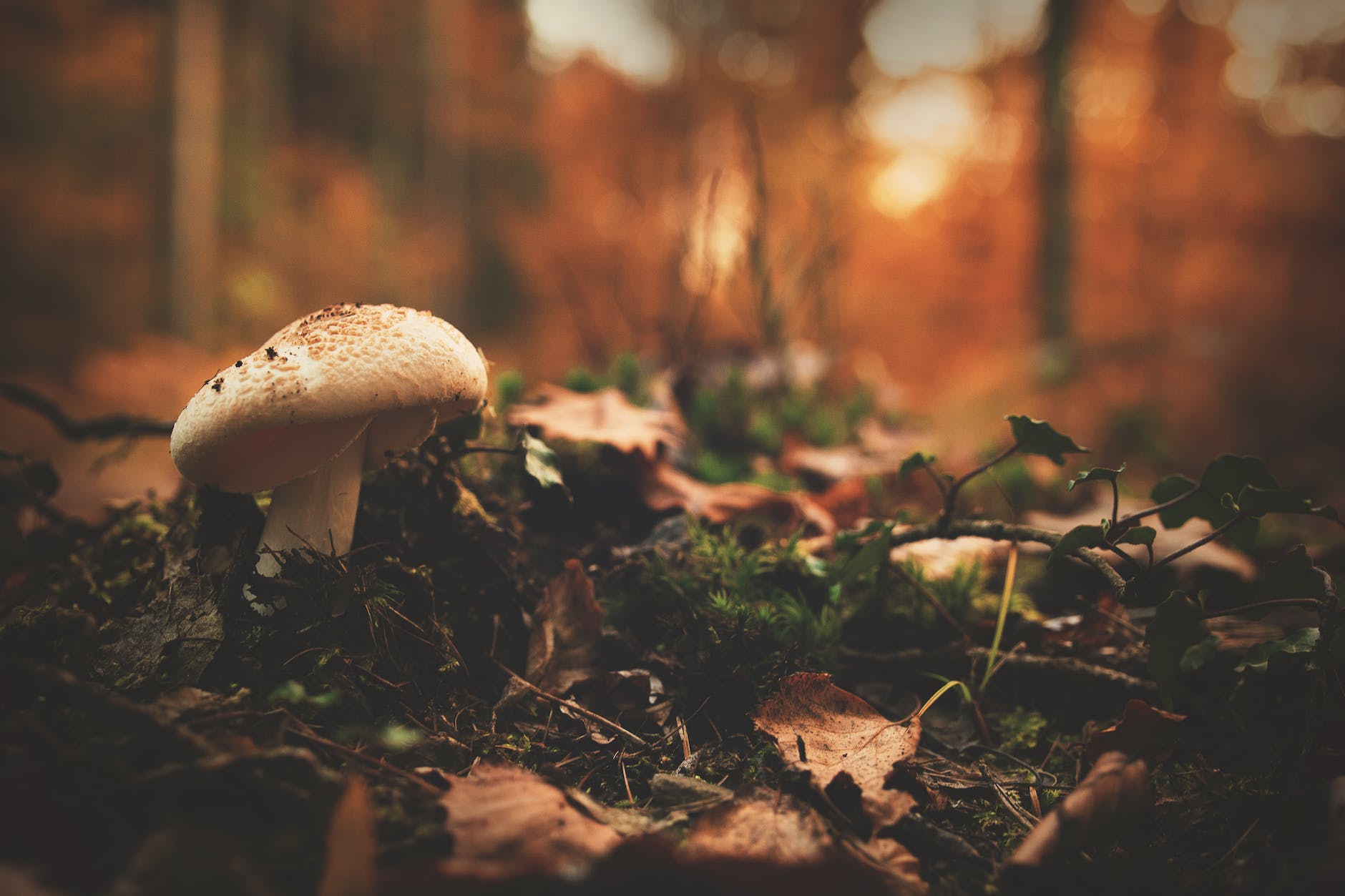
Research and Learn
The best method for mushroom foraging begins with thorough research and education. Understanding the local mushroom species, their habitats, and identifying features is paramount.
Online search engines, groups and tags on social media, and especially reliable field guides are incredible resources available to expand your knowledge base on how to forage safely and effectively.
However, as fun as scrolling through pictures of mushrooms on the internet is, nothing beats hands-on experience and learning from other seasoned foragers.
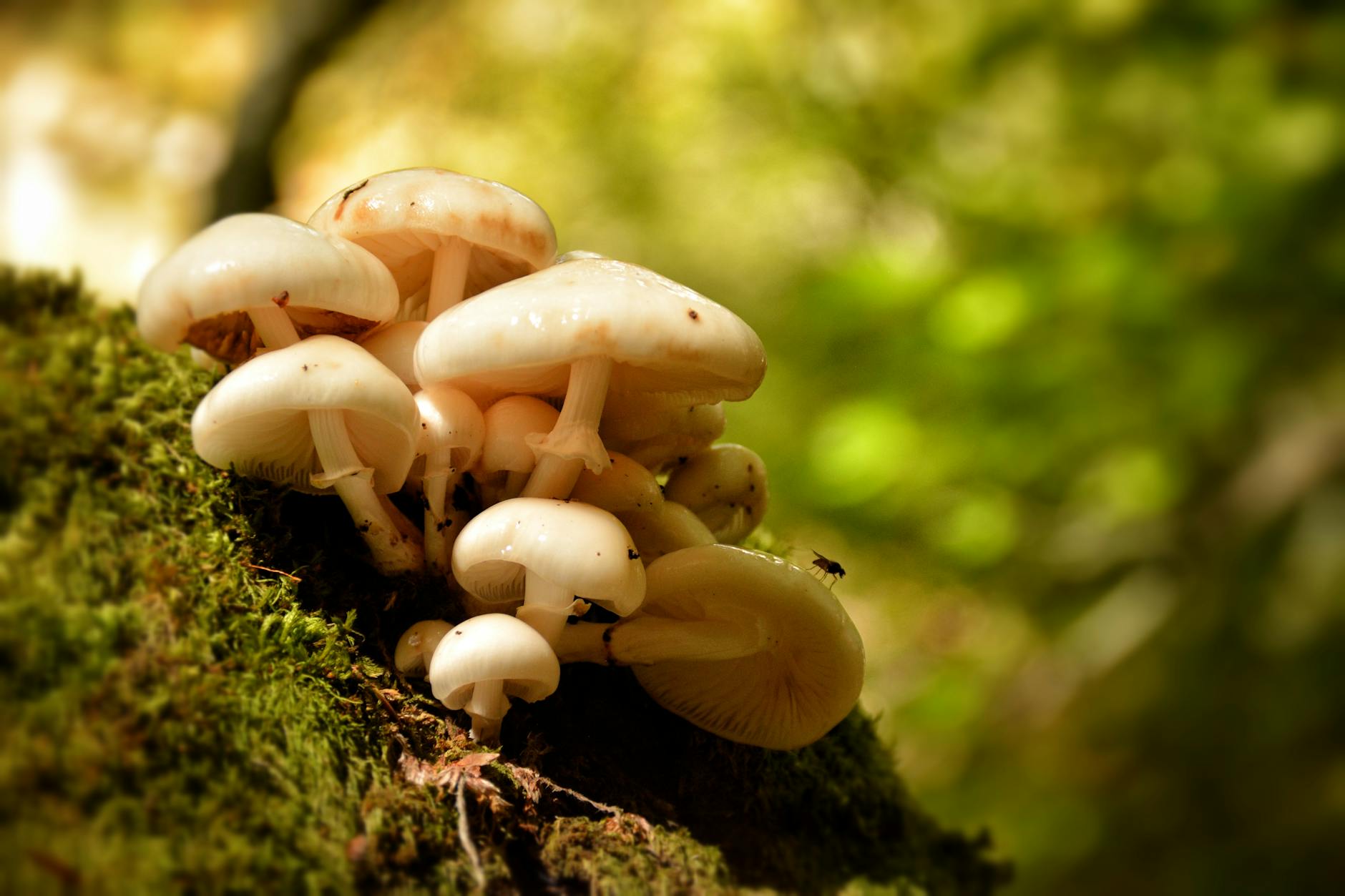
Mushroom foraging can be just as dangerous as it can be exciting. North America has around 14,000 different species of mushrooms; nearly 100 of those species are edible, and an equal part of them are incredibly toxic.
As mentioned above, identification and education are the most essential components of foraging. Do not consume ANY wild mushroom unless you are 100% positive it is safe.
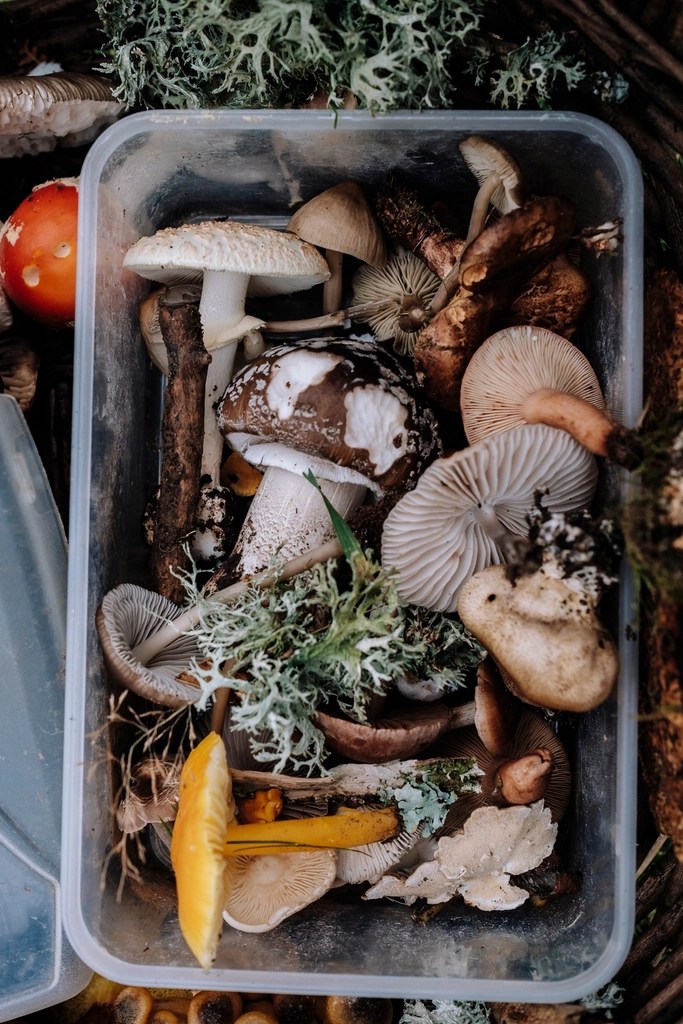
Having a reliable field guide with you is an excellent way to identify different species of mushrooms based on their color, gills (or pores), stem and cap shape, and size.
Spore testing is another common technique for mushroom identification. You can test the spores by placing the cap of a mushroom on a piece of paper or wax paper covered overnight, and the color of the spores that are left on the paper can be a crucial factor in proper identification.
Pay Close Attention
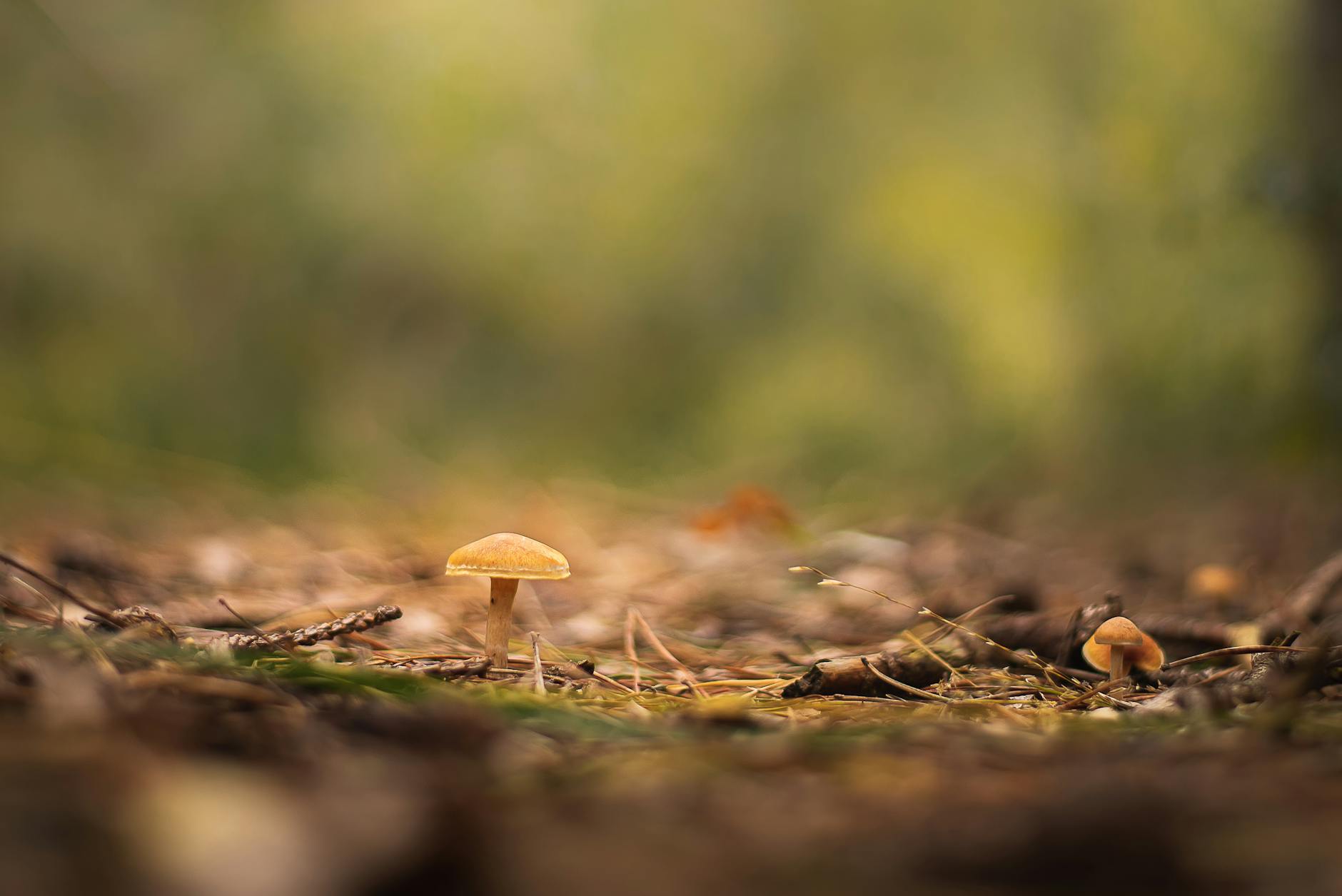
Technique-wise, attention to detail is vital. Slow, deliberate movements allow for careful examination of mushrooms, ensuring accurate identification and safe harvesting.
As you walk by, it’s easy to miss a patch of morel mushrooms in the grass or a lion’s mane mushroom up on a tree. Taking your time and approaching mushroom hunting with patience will be more beneficial in the long run.
Additionally, be cautious of your footing – trampling mushrooms can cause issues with production in future seasons, plus you wouldn’t want to crush any delicious mushrooms that could be ready to harvest!
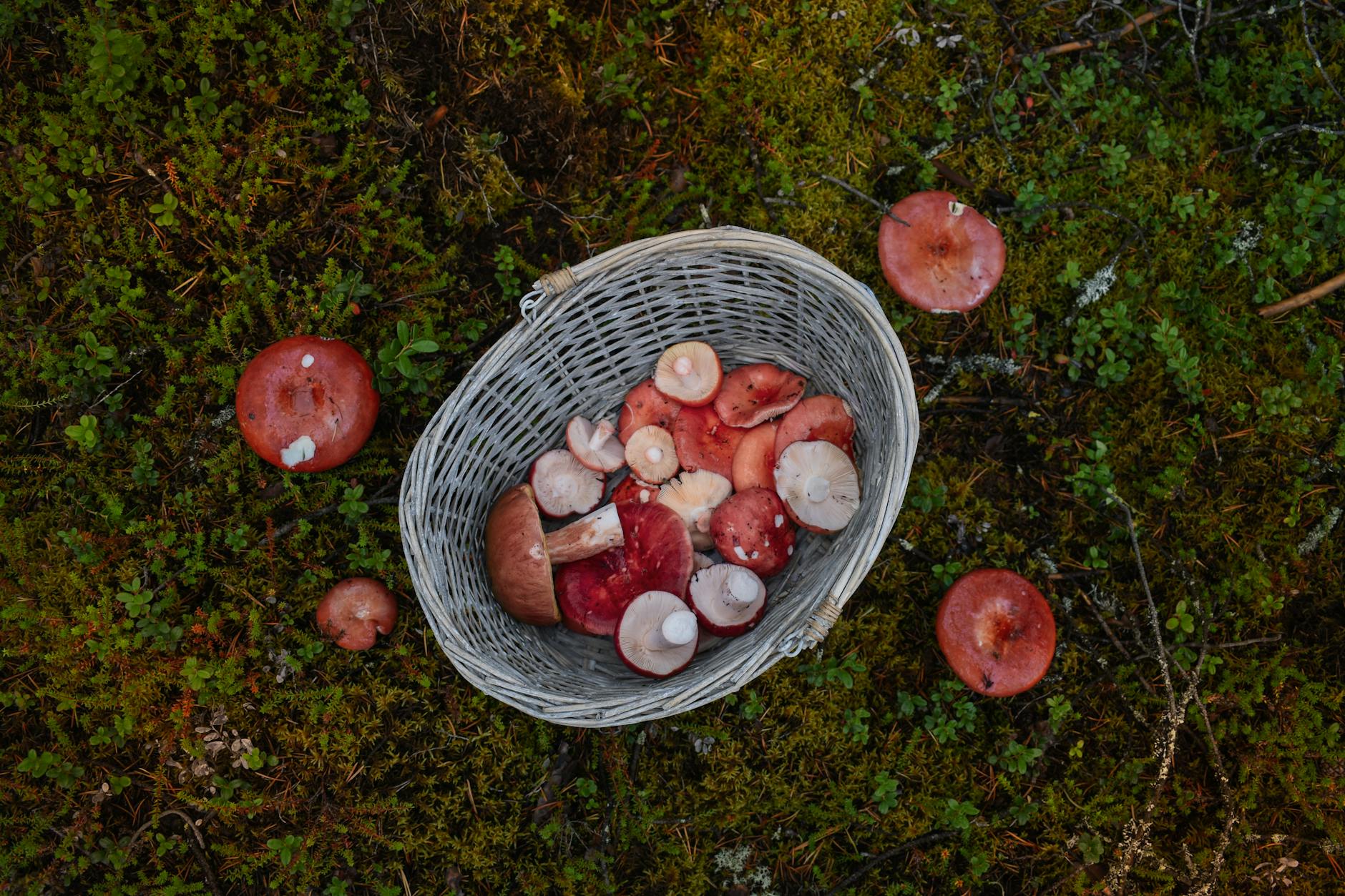
If you have experience in mushroom foraging, you have probably heard the common debate of cutting mushrooms at the base of the stem versus picking them out of the ground and how that affects the mycelium and its ability to continue producing long-term.
Only some legitimate studies have been completed on this subject; however, the ones that have all agree that neither method of harvesting seems to have any negative effects.
Many foragers practice picking the mushroom out of the ground and cutting off the base of the stem – leaving the stem base on the ground can assist in spore spread and growth.
Cutting the dirt and other attached greenery from the base will help keep your bag or basket of harvested mushrooms clean, too!
Prepare Yourself
Having proper gear for mushroom foraging helps, but it isn’t essential.
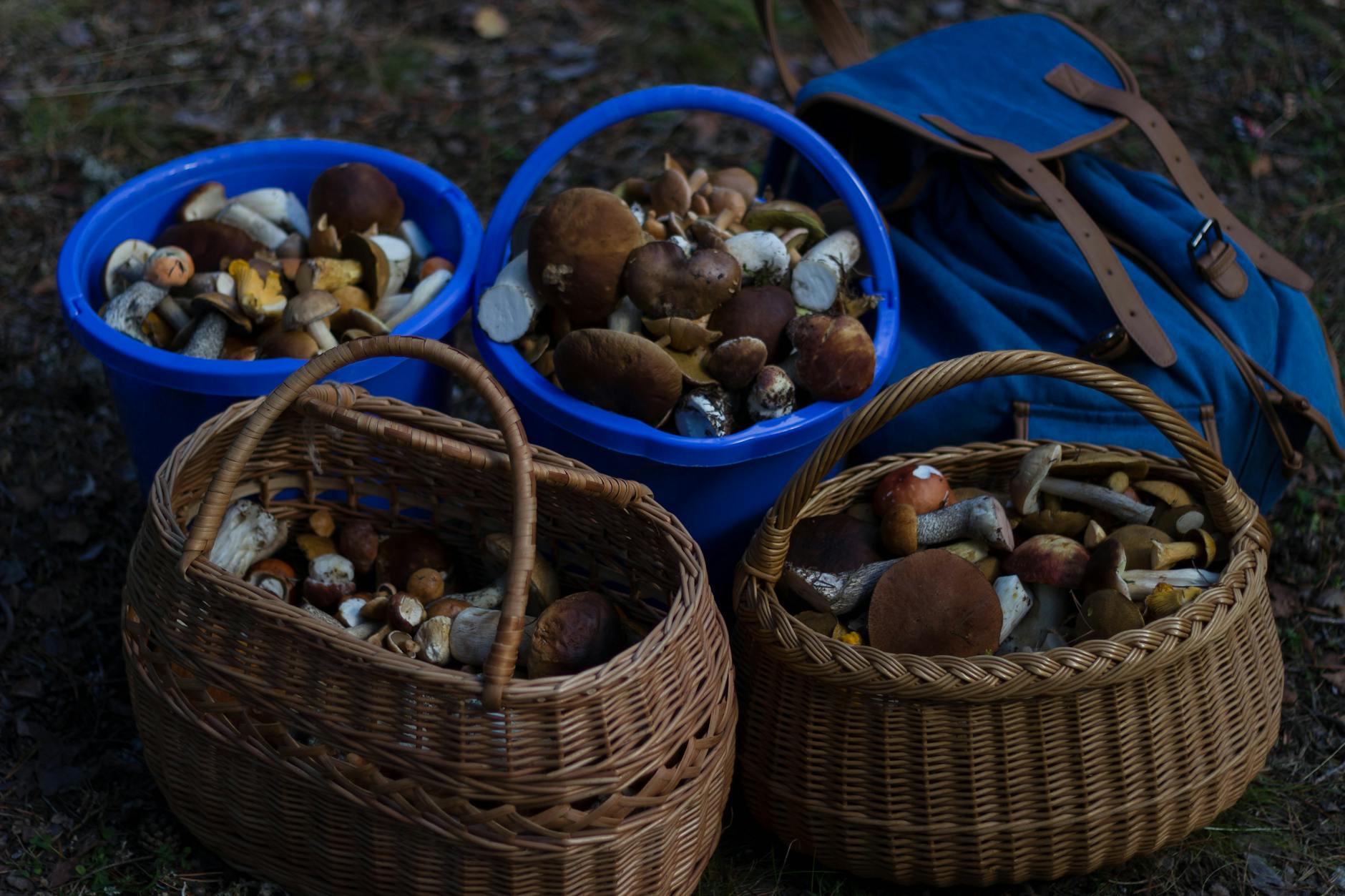
Seasoned foragers highly suggest containing your harvest in baskets or netted bags because the spores from your picked mushrooms will continue to fall on the ground as you travel, spreading spores to new environments and supporting future growth!
Additionally, I would suggest bringing a decent mushroom knife or foraging knife, field guides, paper bags, water, snacks, GPS, and weather-appropriate clothing for the best mushroom hunting experience.
In conclusion, mushroom foraging is a rewarding pursuit that requires patience, knowledge, attention to detail, and respect for nature.
Abiding by sustainable practices, embracing ongoing education, and encouraging a deeper connection with the natural world, we can explore the wonders of mushroom foraging while preserving the mycelium and its surroundings for generations.
Next time you’re out on a walk in your local park or trail, I encourage you to look at the ground a little closer to see if you can spot any of the delicious and magical fungi local to your area!
As an Amazon affiliate, I earn from qualifying purchases through the links on this page at no additional cost to you.
If you have any helpful tips or tricks for mushroom foraging, I’d love to hear about them in the comments below!
Thanks for reading, and happy hunting!
-Jessica C.
 Bigfoot's Friend
Leave a reply to Fun Forest Find: Elfin Saddle (Helvella Vespertina) – Bigfoot's Friend Cancel reply