Recently I was enjoying a warm summer day in the beautiful city of Chicago, visiting friends and family and taking in all of the architecture and the greenery.
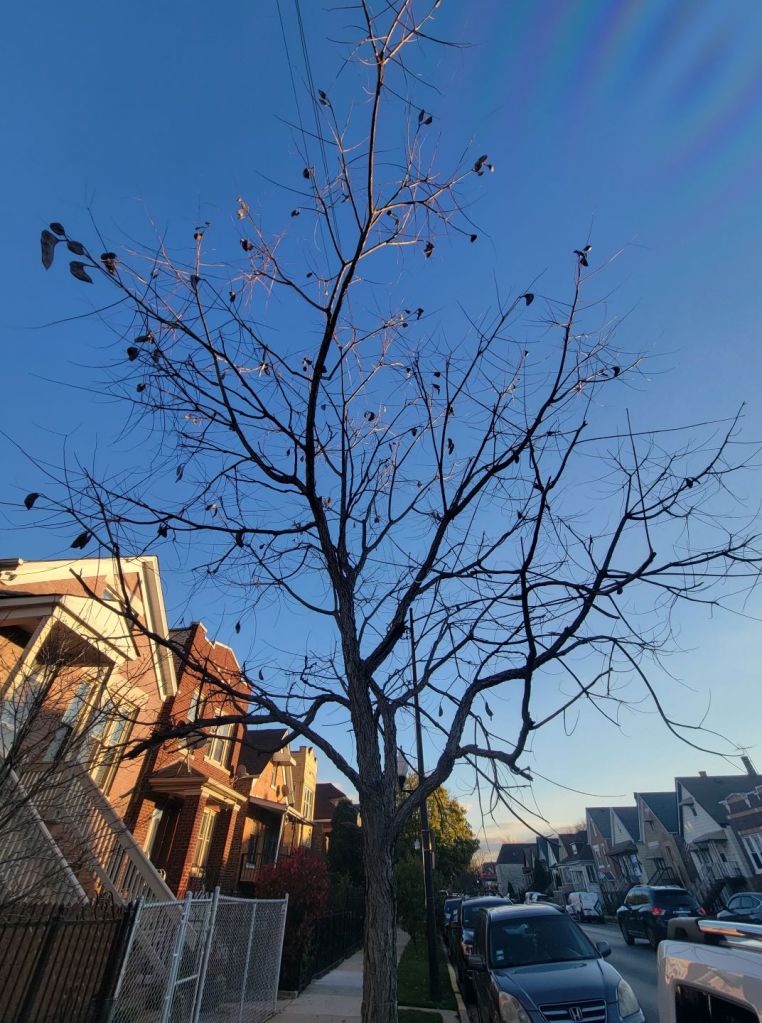
As I studied the trees, flowers and weeds that are so different from my home in the West, I discovered that right there along the street in front of me was a fruiting Kentucky coffee tree!
I quickly realized I had seen these trees in other neighborhoods, parks, and sidewalks all over the city.
What is a Kentucky coffee bean tree?
Kentucky coffee beans are a midwestern legume which for a long time have been used as a coffee or tea substitute, or more commonly can be eaten in place of any other bean.
In the summer, long green pods start to grow from the branches of the tree. These pods will ripen throughout the year and begin to turn dark brown as winter approaches.

Where do Kentucky coffee trees grow?
Kentucky coffee trees (Gymnocladus dioicus) mainly grow in the Midwestern areas of North America.
They are found in Ontario Canada and states like Ohio, Minnesota, Illinois, Connecticut, South Dakota, and of course Kentucky.
Based on the studies I have done on this hidden Midwestern gem, you aren’t likely to find very many of these trees growing in the wild anymore. Most of the Kentucky coffee trees that are alive and thriving today have been planted along streets and in parks in urban areas.
Unfortunately, trees like this one tend to only fruit on the top 2/3 of the tree, which can cause difficulties in harvesting. Sometimes it is beneficial to wait until winter or early spring when the pods are more likely to fall off of the tree so they can be collected from the ground.

What can you do with Kentucky coffee beans?
Kentucky coffee beans have been most commonly compared to fava beans, as far as flavor, texture, and the similarity that the beans grow inside of a shell – that is inside of a pod. One of the best ways to enjoy these beans is by roasting and shelling them, similar to how you eat a nut!
If you plan on eating the beans it’s best to harvest while the pods are still green in the summer and fall. Otherwise, these pods are normally harvested in late winter or early spring. They are collected when the pods turn a brown color and all of the leaves have fallen from the tree. The pods are then used as a caffeine-free coffee substitute.

Preparation precautions:
These legumes are toxic if consumed raw! The beans must be cooked or roasted, boiled or cooked thoroughly before any form of consumption.
While eating these beans raw may not kill you, it certainly isn’t worth trying.
It’s recommended to remove the beans from the pod, then they can be cooked with or without the shell for at least 40 minutes.

The fun thing about the Kentucky coffee tree pods is that they are one of the few things that you can harvest in the winter, and in the city!

Next time you’re taking a walk in your local Midwestern city or park, keep an eye out for these secretly delicious pods hanging from the trees and try a cup of Kentucky coffee for yourself!
Remember to never eat anything that you aren’t 100% positive on the identification of, and always cook Kentucky coffee beans thoroughly! It’s a good idea to cross reference field guides about your local area and the knowledge of experienced foragers before consuming any wild edibles. Never consume any plant you are not completely sure of.
What’s your favorite way to enjoy Kentucky coffee beans? I’d love to hear about it in the comments below!
More posts on foraging:
Dandelions: Uncommon Facts About A Common Weed
Wild Edible Discoveries for Hikers and Outdoor Enthusiasts
Botanical Detective: Morel Mushroom (Morchella) Identification
Thanks for reading, and as always; happy foraging!
-Jess C
 Bigfoot's Friend
Leave a reply to Coconut Palms 101: Everything You Need to Know – Bigfoot's Friend Cancel reply