*As an Amazon associate, I earn from qualifying purchases made through the links provided on this page at no additional cost to you.*
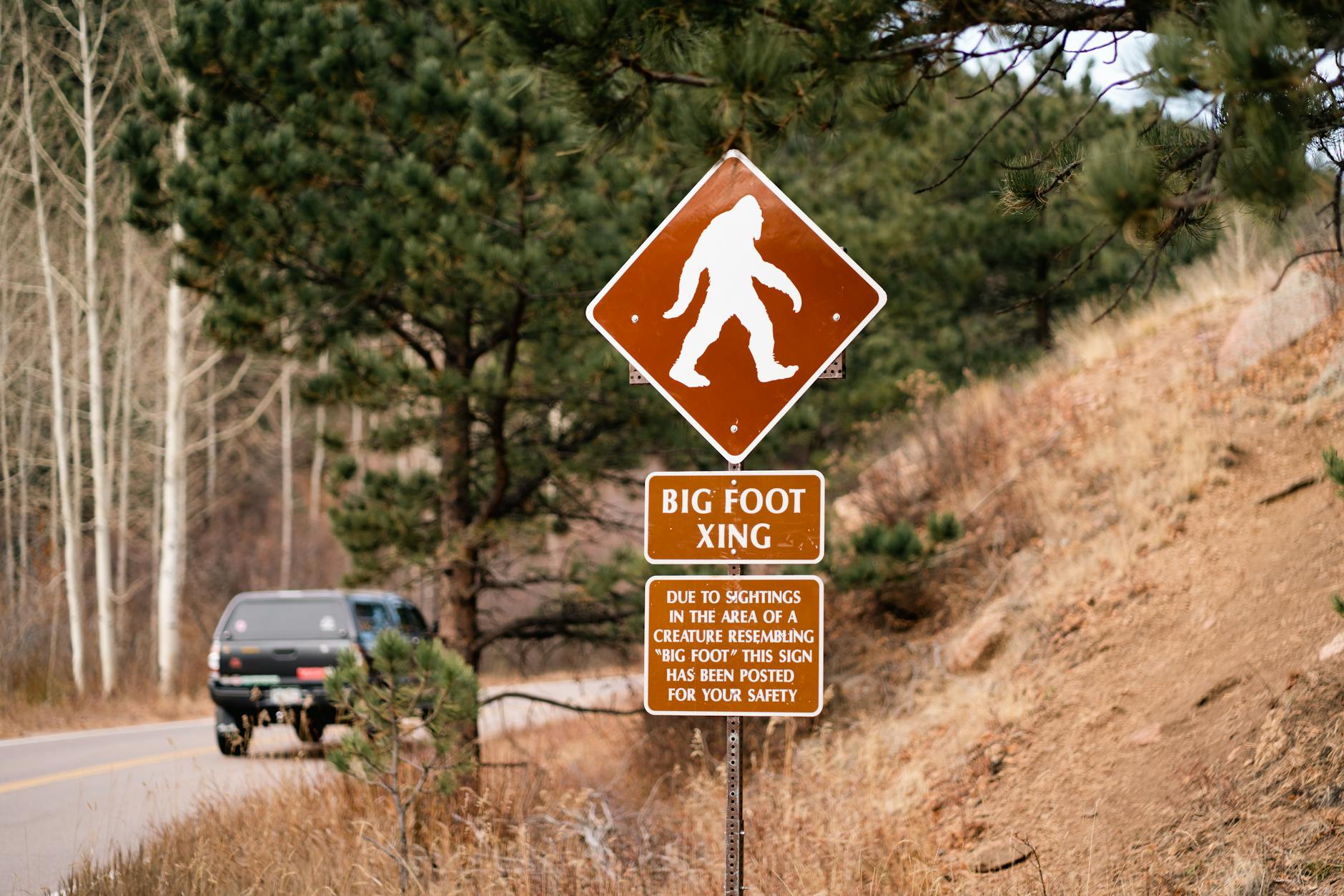
For thousands of years, residents and visitors of North America have shared the bewildering tale of the notorious Bigfoot.
Being such an alluring mystery that gets the hearts of the brave pumping in dark forests- stories of sightings and scares from Bigfoot have been passed around campfires for centuries.
But what is a Bigfoot? What do they do? Where do they live, and what do they eat?
The infrequent sightings, and unknown activity of these mountain men have created a mystery and a legend that we may never get all of the answers to.
Here is what we do know.
What is Bigfoot?
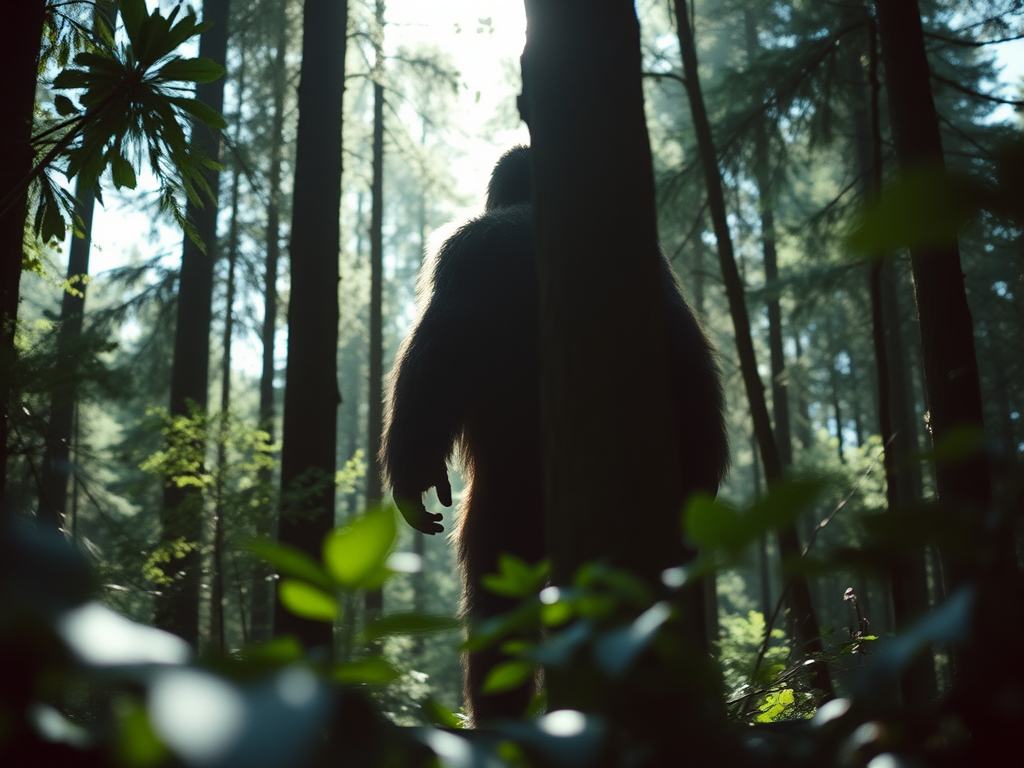
Bigfoot goes by many aliases – different cultures, tribes, and parts of the world have their own names and lore surrounding these mountain creatures.
- Sasquatch
- Yetis
- Wood Apes
- Wendigos
- And of course, Bigfoot
These woodland monsters reportedly
- Stand as tall as 10-12 feet in height.
- Have broad shoulders and long ape-like arms.
- They are covered in shaggy, dark colored hair.
- And unsurprisingly, they have huge feet.
People who have encountered Bigfoot report that they emit a foul smell sometimes described like urine or wet dog, and they can move almost silently throughout the forest. They are rumored to be gigantic, silent, and incredibly strong.
Where Does Bigfoot Live?
While Bigfoot sightings have been reported on nearly every continent, most of the reports come from the United States and Canada, mainly being centered along the Pacific coast in the Northwestern United States and Western Canada.
Reports and sightings tend to happen deep in the wilderness, away from popular campgrounds or hiking trails. They are often seen near bodies of water like rivers and lakes in the mountains.
This avoidant behavior leads us to believe that these beings don’t want anything to do with us humans, and have made their homes far away from humanity.
What Does Bigfoot Do?
One of the main characteristics we know about the Sasquatch species is that they are very secluded.
They tend to avoid humans as much as possible, which is part of why there is so much mystery around their legend – it’s hard to study something that is actively avoiding you.
Given their antisocial reputation, it’s not surprising that Sasquatch are rumored to be capable of moving throughout the forest without making a sound.
Now, just because they can be completely silent, doesn’t mean they always choose to be.
Bigfoot is said to have a terrifying high pitched screech that can be heard from across canyons. Many campers and hikers have reported hearing these blood-curdling screams throughout the night.
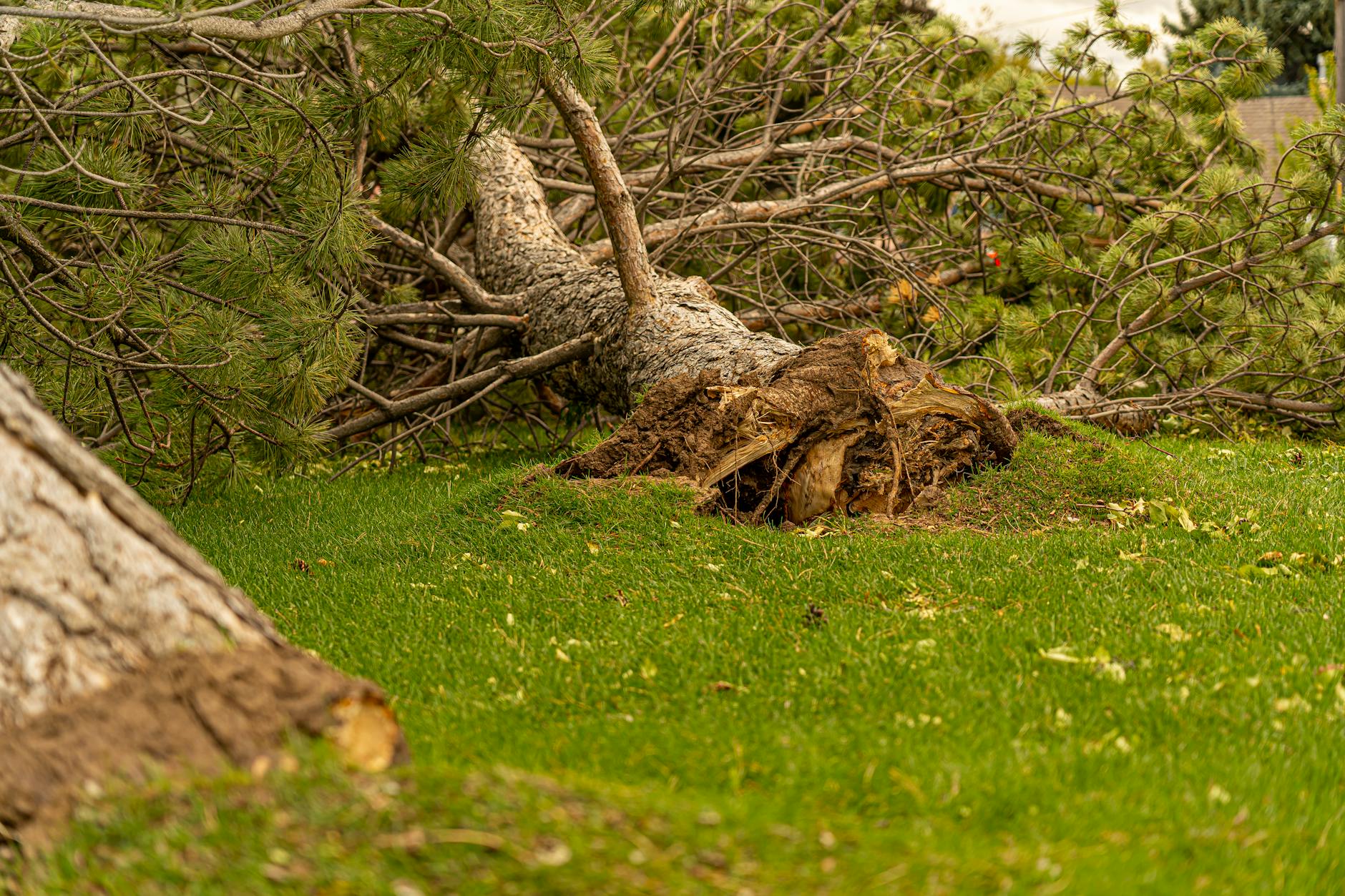
Another significant sign of evidence is the wildly unnatural sight of trees ripped out of the ground and replanted upside down. These trees have been found to be buried 4-6′ deep in the ground, with the roots up in the air.
Rumor has it that this is how a Sasquatch will mark his territory. I wonder how strong you would have to be to rip a tree out – roots and all.
Scary!
What Does Bigfoot Eat?

As mysterious and scary as Bigfoot may seem, they really don’t have a reputation as being violent or dangerous.
As far as we can tell, the Bigfoot populations are omnivores and have been sighted eating a wide variety of foods, like
- Berries
- Nuts
- Fruits
- Mushrooms
- Fish
- Insects
- Rodents
- Deer
- Elk
Supposedly, deer and elk tend to be their preferred source of food. Given their giant body mass, I’m sure they need to eat a lot.
Some Native American tribes say that the Wendigo is a malevolent spirit that takes form as a cannibalistic beast.
It is believed that humans who dare to practice in cannibalism run the risk of turning themselves into a Wendigo.
Side note on Wendigo’s: I have found some debate on whether a Wendigo is the same monster as a Bigfoot – from what I’ve read, it seems the Wendigo may be a more dangerous and evil version of a similar species or supernatural being.
Thankfully, as of late, there are very few reports of Bigfoot attacks on people.
Being the supposed non-confrontational creatures that they are, it’s very unlikely that they are looking to eat campers and hikers for dinner.
History of Bigfoot
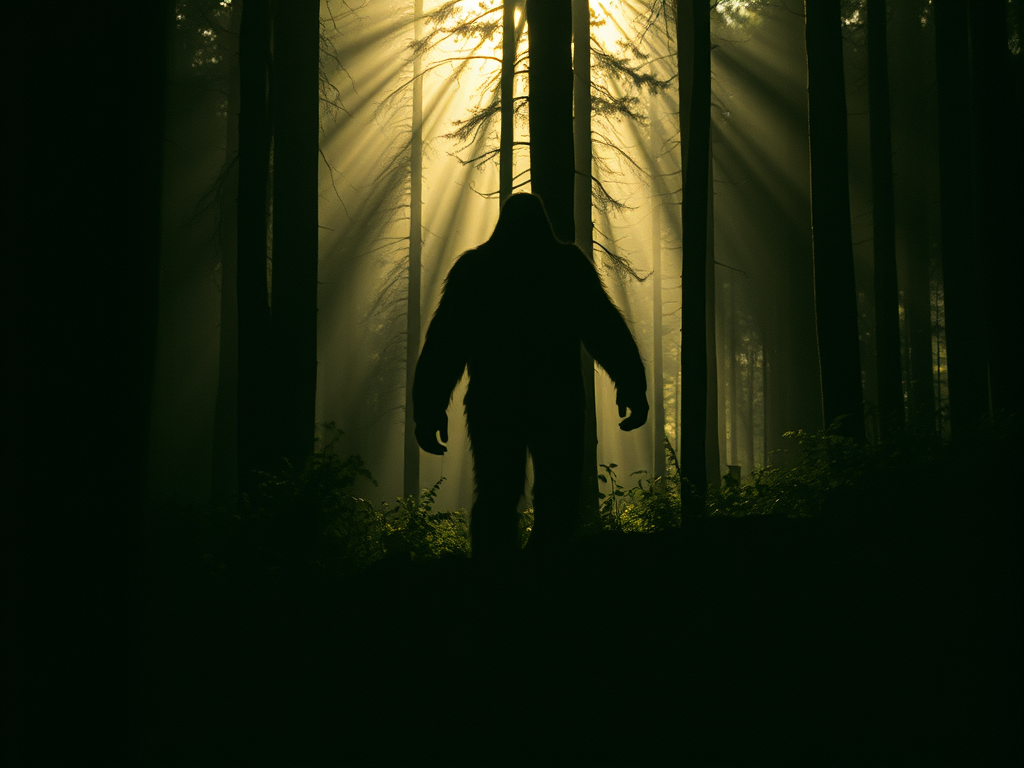
The first and most renowned reported sighting of Bigfoot happened in Humboldt County, California in the summer of 1958.
Jerry Crew was working in a road construction crew near Trinity River when he discovered the unusually large footprints in the ground.
Being 18″ long, and deep in the mud signifying a very heavy being, Mr. Crew decided that this find must be documented.
After creating a plaster cast of the print, he brought his findings and his story to a local writer Andrew Genzoli who wrote the first article donning the name we all know and love today: “Bigfoot.”
However, the lore of Sasquatch really was originated in Native American culture.
The name ‘Sasquatch’ comes from the Salish tribes, meaning “wild man”, and the Algonquin tribes coined the name ‘Wendigo’ meaning “cannibalistic giant”.
Native Americans have had theories about these beings ranging from peaceful mountain men, all the way to cannibalistic spirits.
But after the birth of the media sensation Bigfoot in the 1950’s, the lore really took off and became the icon that it is in our culture today.
Chasing Bigfoot

The mystery of Bigfoot is well known and wide spread across the country, which means there is a world of resources available online for when, where, and how to find Bigfoot.
Websites
I found an extensive website called North American Wood Ape Conservancy with a sightings report page where anyone can contribute and view reported sightings of and interactions with Bigfoot himself.
Another great resource I found is this Bigfoot Sightings Map where you can see reports from believers and non-believers alike across the continent sharing facts about what they’ve seen and heard.
Books
There’s a great book written by Jeffrey Meldrum, a professor of anatomy and anthropology at Idaho State University who did a deep dive study into the tangible, physical facts about Bigfoot. Sasquatch: Legend Meets Science will give you a comprehensive look at all of the facts and lore!
Dr. Grover S Krantz has a book that will convince you that Sasquatch is out there. In Bigfoot Sasquatch Evidence: The Anthropologist Speaks Out you will learn about irrefutable evidence and have the opportunity to look at the legend of Bigfoot through a whole new perspective.
Landmarks
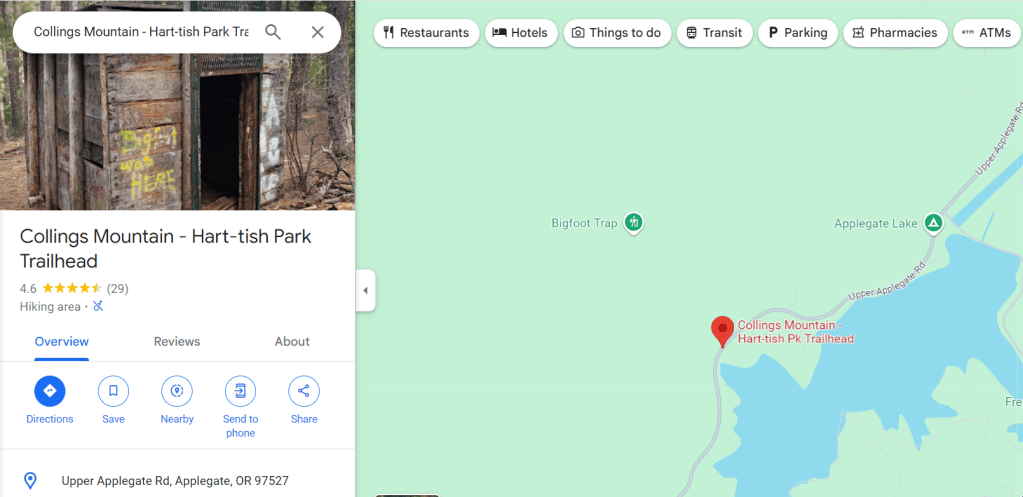
In the attempt to prove the existence of this legendary mountain monster, there once was a Bigfoot Trap set up in a National Forest in Applegate, Oregon.
The trap was baited and in use for about 6 years, but after catching nothing but a few bears, it was turned into a landmark for hikers to go visit. You can find the trap about 3/4 of a mile up the Collings Mountain Trail by Grouse Creek.
Bigfoot’s Haters

Paranormal mysteries of all kinds have been doubted and debunked by skeptics ever since myths have been a thing.
It’s hard to believe in something that you haven’t seen or that can’t be easily explained.
Of course, all of the proof of Sasquatch that has been found has been challenged and excused as natural causes and elaborate hoaxes.
- The upside down trees are caused by landslides.
- Tracks and imprints of Bigfoot are curated by deceitful individuals.
- Sightings are nothing more than men in costumes or bears mistaken as humanoids.
The world of the paranormal and the unknown has always been taboo, so it’s no surprise that claims of Bigfoot are widely criticized.
As long as the myth of Bigfoot will be around, there will be people who doubt the reality of the lore.
It’s up to you to decide whether you’re a believer or not.
Wrapping Up The Mystery
Whether you believe in Bigfoot or not, the myths and lore around the stories of the Wood Apes is fascinating and terrifying.
Personally, I know people who claim to have seen evidence of Bigfoot, or the monster himself. I can’t confidently say that he exists, but I can’t say that he doesn’t either.
Living in a hot-spot for sightings and lore, Bigfoot has been a mystery to me for a long time – and I’m sure it will continue to be for a lot longer.
Nonetheless, there is no doubt that the hunt for Bigfoot will continue for centuries to come.
So, what do you think? Do you believe in the legend of Bigfoot, or have you had an experience with one? I would love to hear your thoughts or stories in the comments!
Thanks for reading, be safe out there in the forests!
-Jessica C.
Learn More About The Forest
7 Essential Items for Successful Foraging In 2024
 Bigfoot's Friend
Leave a comment