While the earth is the most incredible powerhouse of resources and renewable everything – the human population continues to grow larger every year, posing threats to different aspects of the Earth and all of the other life that we share this planet with.
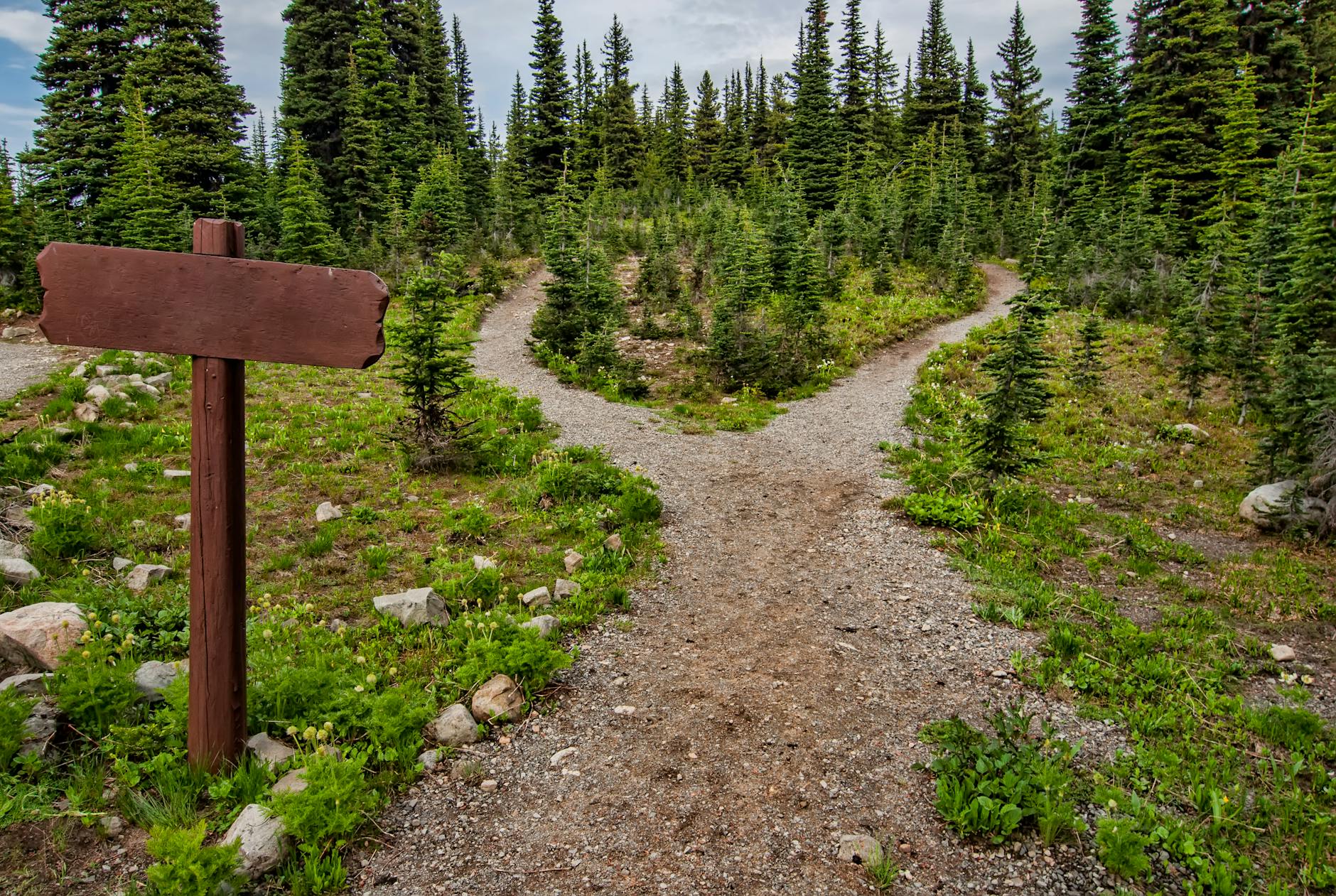
People and the Planet
Historically, humans have had an environmental impact on the areas in which we choose to reside.
This means that natural resources continue to be stretched thinner to accommodate the increasing number of people on the planet, impacting our environments little by little.
Unfortunately, some aspects of this dilemma are unavoidable, or at least the solution is far out of our individual hands.
But there are still little things we can all do to have a big impact on helping encourage the long term future of our renewable resources so that many generations past ours can enjoy the same luxuries, flavors, views, and benefits that our Earth is currently providing for us.
Today we are going to talk about how you can make a difference, with the Rule of Thirds!
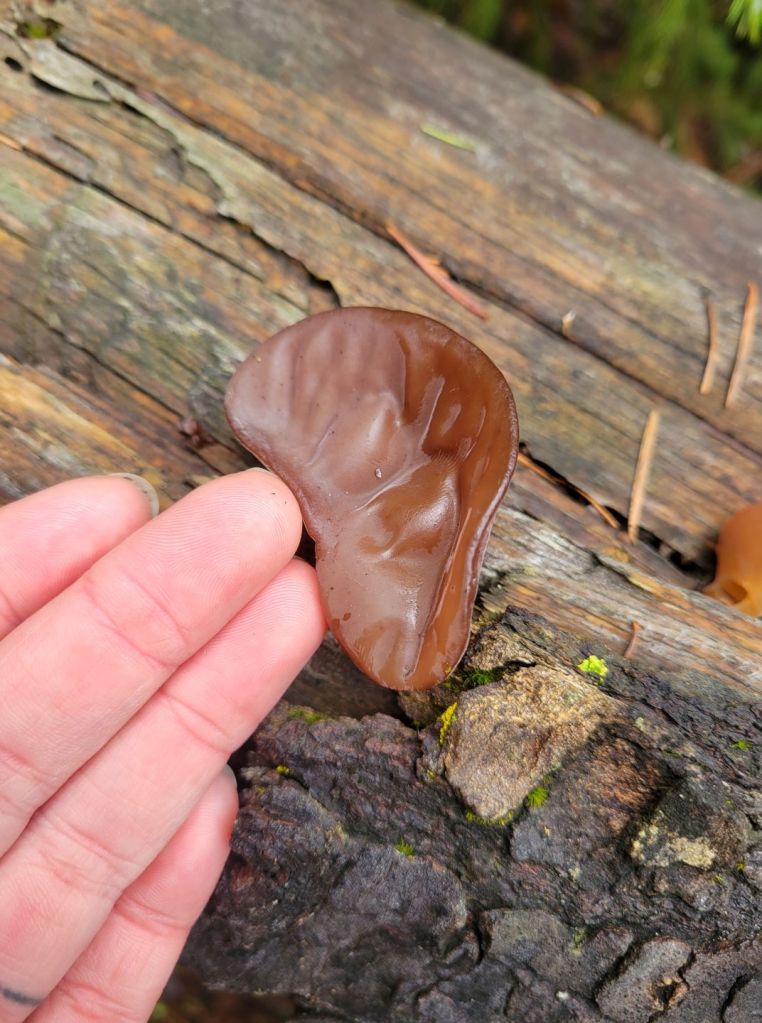
Introduction to The Rule of Thirds
As foragers and nature enthusiasts, we have a responsibility to respect and maintain the areas where our presence affects the wildlife and natural environment.
One of the best ways we can contribute to the ability of our grandchildren and great-grandchildren enjoying the same foraging and outdoor adventures that we do, is to follow the rule of thirds.
It’s quite simple!
Foragers Rule of Thirds
No matter what you are foraging, whether it be berries, mushrooms, vegetables, or herbs – only forage up to 1/3 (one third) of the available crop or plant.
- If it’s berries, leave 2/3 of the berries on each bush.
- If it’s fungi, leave 2/3 of the visible mushrooms in the area.
- If it’s fruit, leave 2/3 of the available fruit on each tree.
So on, and so forth.
Trust me, as an avid forager, I understand the want and the need for a large haul – especially after a long day in the forest.
Still, it is our duty to care for our natural environments and to not over harvest any specific area.
This is one of the best ways you can ensure to find mushrooms, berries, and all types of delicious foods in your local areas for many years to come!
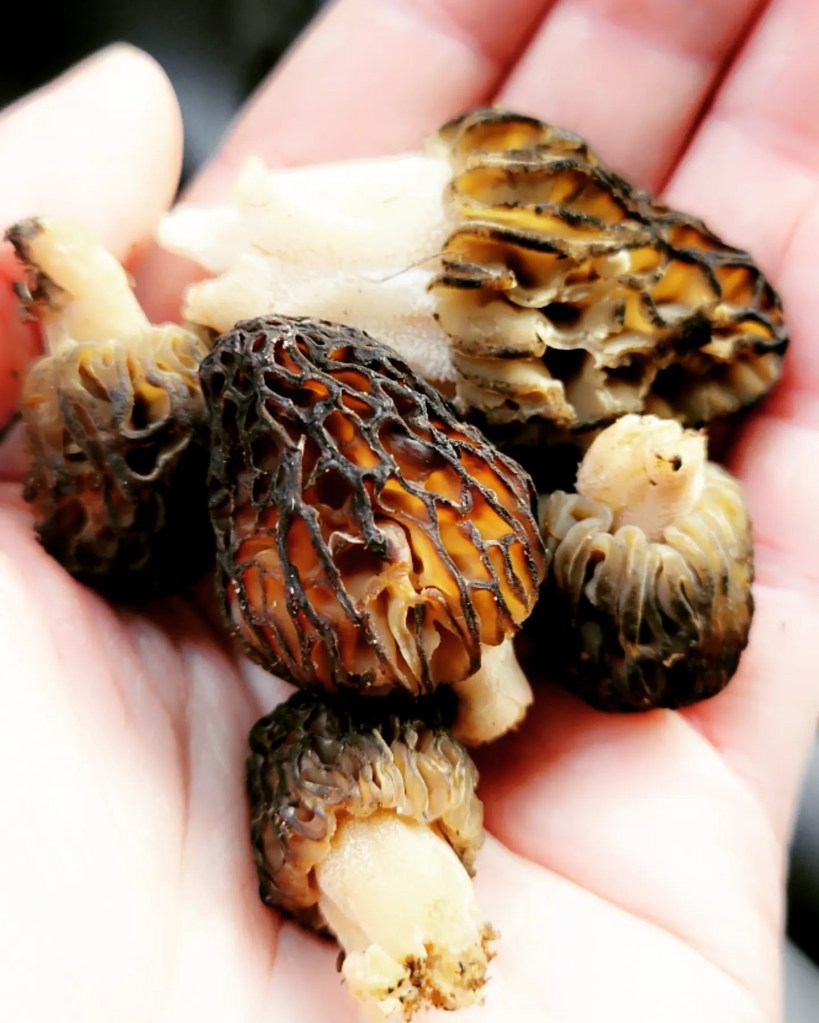
Foraging Impact on Wildlife
It’s important not to over harvest wild edibles since we are not the only creatures that require these food sources to survive.
As well as other foragers looking for good eats, there are also bears, deer, squirrels, birds, bugs, and thousands of other species, big and small, that rely on the forest for food.
And unfortunately, they don’t exactly have the option of driving through a fast food restaurant for dinner if they can’t find any food in the forest.
Additionally, depriving the animals of these food sources can damage the natural reproduction of these plants in the long run, which means less for us and for them.

Environmental Impact of Foraging
Wild seeds from berries and fruits are often spread and planted by birds, deer, bears, and all other wildlife after they consume, and (for lack of a prettier word) “discard” the seeds in other areas.
This allows new bushes and trees to begin growing near and far while the old plants run through their life cycle.
As far as fungus goes, deer and bugs are some of the main consumers, and since mushrooms don’t contain seeds, the reproductive cycle works a little differently.
Mushrooms spread spores which turn into mycelium, and many species of mushrooms won’t release spores until near the end of the mushrooms life each season.
This means that the mushrooms must be left to grow well past their prime in order to have the opportunity to spore, which is why you should always leave some mushrooms to complete their life cycle which will support next years regrowth.
How You Can Make A Difference
As foragers, hikers, and stewards of our beautiful planet, we each have a responsibility to do our part in maintaining the natural wonders of the planet.
Here are a few ways that you can contribute to limiting your individual impact on your local environments!
- Pack your trash out. Never leave garbage (plastic, cloth, paper, rubber, inked materials, etc.) on the ground or in the forest where it can negatively effect the plants or wildlife which live there. Always dispose of trash properly.
- Be cautious with your footing. As you shuffle through forests and fields, try to keep an eye out for saplings, fresh plant growth, and even nesting or young animals. Minimizing the damage your boots are doing to the forests floor can significantly impact your favorite “stomping grounds”.
- Of course, follow the rule of thirds. As we have discussed, being mindful of the ways in which you forage is one of the best ways that you can ensure that for years to come you will still be able to find the same incredible plants and animals in the natural environments where you first found them.

If all of us work together taking small actions towards preserving our forests, parks, rivers, and more – we can help maintain the beauty that we know and love today for generations to come.
I hope you feel inspired to implement the rule of thirds and these other small actions into your every day adventures to help all of our favorite flora, fauna, and fungi in the forests survive and thrive along with us.
Be safe, be mindful, and enjoy the incredible offerings that our planet provides.
What are your favorite ways to help protect the wild while you’re out on adventures? I’d love to hear more tips, suggestions, and comments on sustainable foraging below!
Learn more about foraging from some of these informative posts!
Fun Forest Find: Bitterroot Flower (Lewisia rediviva) Edibility and Medicinal Uses
Northwestern Morel Mushroom (Morchella) Identification
Dandelions: Uncommon Facts About A Common Weed
As always, happy foraging!
-Jessica C.
 Bigfoot's Friend
Leave a reply to What You Can Do Right Now To Protect National Parks & Forests – Bigfoot's Friend Cancel reply