Over the last few weeks, more than 3,000 employees of the U.S. Forest Service and the National Parks System have lost their jobs due to federal funding cuts.
Additionally, many of the states are presenting their own bills that cut funding to programs that support state maintained parks and forests as well.

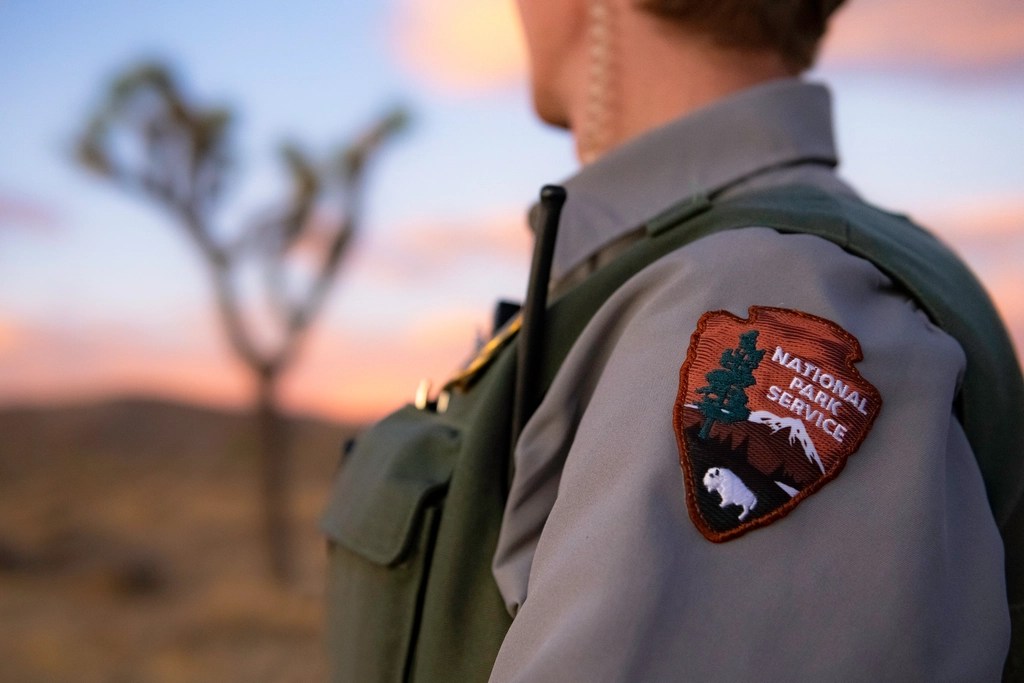
No matter which side of the aisle you sit on, it’s not hard to see how this sudden shortage in funds and employees in our public spaces will have an impact on many of our experiences recreating in these areas, especially going into the warmer and busier months of 2025.
Now, I’m not here to argue about whether this was the right decision, or to talk about politics at all, frankly.
The fact is, that with fewer employees than in past years, and with this shortage in staffing being so unexpected, this change will have an effect on your next visit and we’re here to talk about what you can expect.
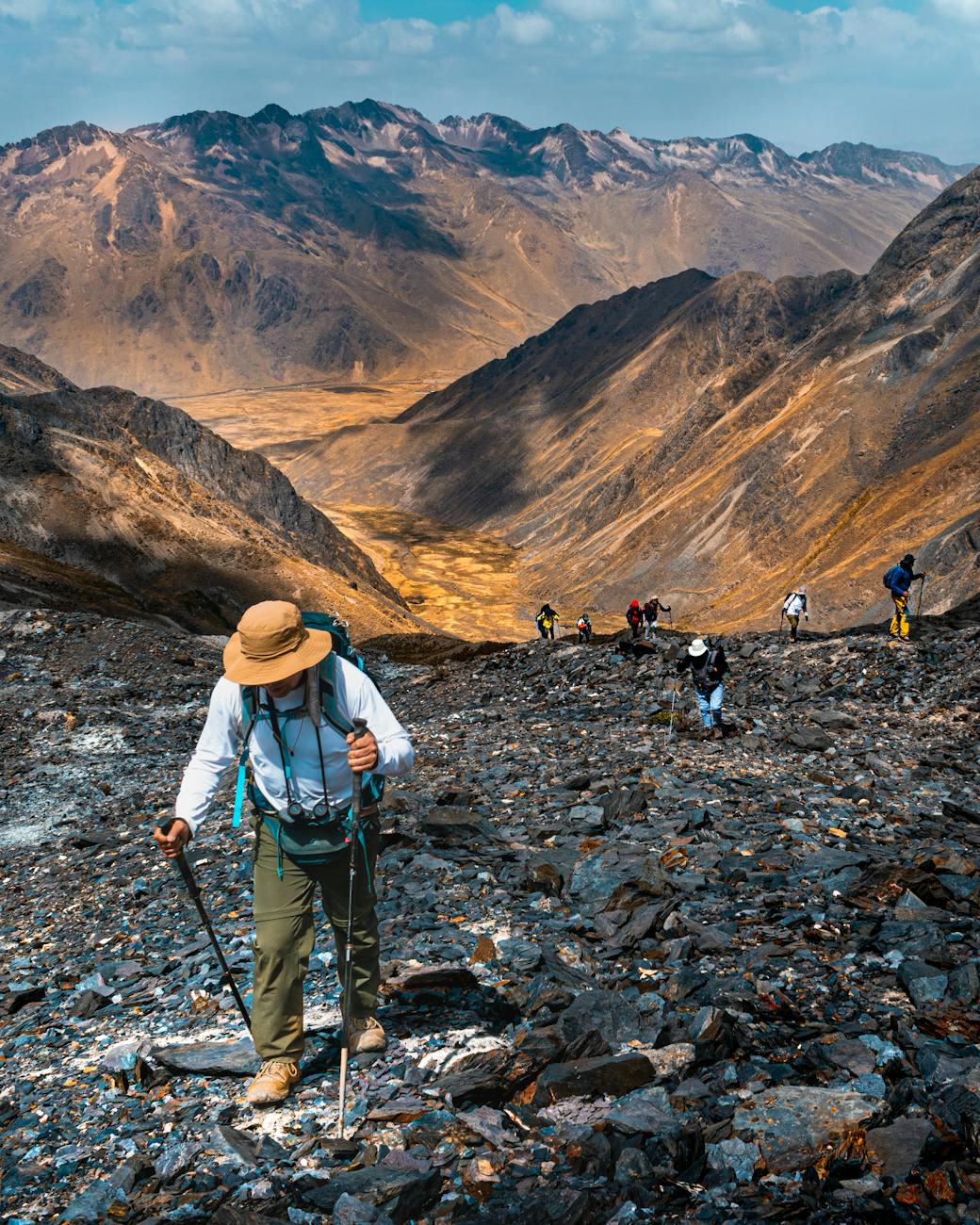
What Do These Employees Do Anyways?
The rangers and employees of our parks and forests have a wide array of important roles that factor into the well being of these protected natural environments while simultaneously creating a safe space for locals and visitors to adventure and enjoy the natural beauty of our country.
Some of these crucial duties include but are not limited to:
- Maintaining hiking trails, stairs, safety rails, and boardwalks.
- Leading tours and educational programs.
- Monitoring wildlife activity to keep us safe from predators, and animals safe from us.
- Watching for and preventing wildfires.
- Planting new trees.
- Educating and assisting visitors.
- Garbage clean up and garbage removal.
- Cleaning and maintaining public restrooms.
- Watching for suspicious or illegal activity to keep the public safe.
- Updating public safety information, such as signs for weather and wildlife warnings.
- Performing search and rescue operations.
- Assisting in locating and saving missing or injured persons.
Between the months of February and March, 2025, approximately 5% of the National Parks System workforce has been fired, along with nearly 10% of the Forest Service.
This lack in resources is already having an impact on some National Park visitors.
It is now up to all of us to work together and ensure our national and local parks and forests continue to offer the unforgettable experiences that we all cherish.
What You Can Expect To Change
These unexpected staff shortages in national parks and forests can lead to reduced maintenance, limited visitor services, and fewer educational programs.
With fewer rangers and workers, it will be more difficult to maintain trails, facilities may close due to lack of staffing, and response times for emergencies could increase with fewer helping hands available.
Some of the most notable impacts you can expect this shortage to have, include:
Long Lines and Wait Times.

Prepare for longer wait times to get into parks that require parking passes or paid passes. Less employees means less people to take payments or check tickets to get into the parks, which will severely affect wait times.
Some parks like Yellowstone and the Grand Canyon are already feeling the effects of this, with visitors waiting hours to get into the parks in March, 2025.
Less Educational Services.
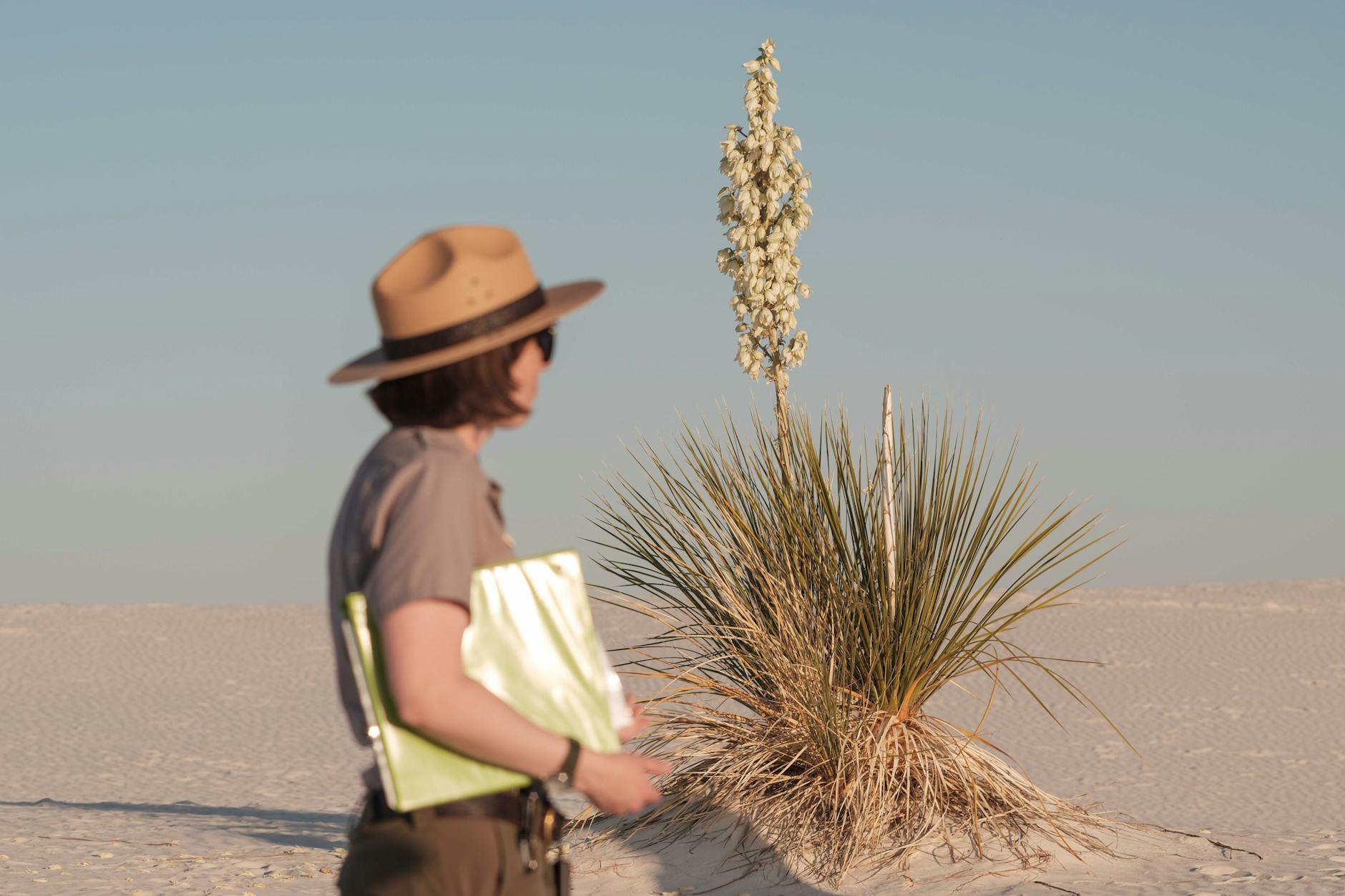
Some of the services that may be downsized include the free educational services offered at some parks and trails.
These include many fun and helpful services to help you make the most out of your visit, including:
- Maintaining signage including maps, local history, wildlife information, and plant identification.
- Staffing visitor centers and leading guided tours.
- Providing memorable activities for children.
- Answering visitors questions.
Sanitation Issues.

This means that public restrooms may not be well maintained. Trailhead and park bathrooms could be lacking in cleanliness and some necessities – or they may be closed altogether.
I suggest to bring your own toilet paper (just in case) and always clean up after yourself.
Do not throw unnecessary garbage in the toilet, don’t leave garbage anywhere, damage anything, or vandalize anything.
Increase in Littering.

Expect to see more garbage on the trails and in the parks.
It is the responsibility of each individual to not leave any garbage in these protected environments, yet, not everybody follows the rules.
Every person who doesn’t litter today is making a huge contribution just by being responsible!
Minimal Disposal Services.

On that same note, be ready to pack your garbage all the way home.
While most parks and trailheads have garbage cans available, the lack of resources and funding will mean these bins are emptied less frequently and we may see less cans and bins available in the future.
Slower Response Time in Emergencies.

One of the most important roles that park and forest rangers take on is conducting search and rescue operations all over the country.
Hundreds of hikers, campers, fishermen, and visitors go missing or are injured in public parks and forests every year – and it takes hundreds of rangers, employees, and volunteers to find and save these individuals.
Less available personnel and less funding to go to operations like these could mean slower response times for these common emergencies, big and small.
This is why having extra hands in the U.S. Forest Service and National Parks Service to help keep the public safe is so important, and why you should consider becoming a volunteer!
Increase in Crime.

With less caring eyes around to watch out for you, your family, your belongings, and the wildlife – you can expect to see a rise in vandalism and other illegal activity on our public lands.
Always be vigilant and if you see something, say something.

You Can Help Minimize These Negative Changes
With the lack of resources already taking effect on visitors, it is your individual responsibility to do your part in helping to maintain the happy, healthy ecosystems that you love to visit.
Leave no trace – don’t litter or damage the ecosystems.
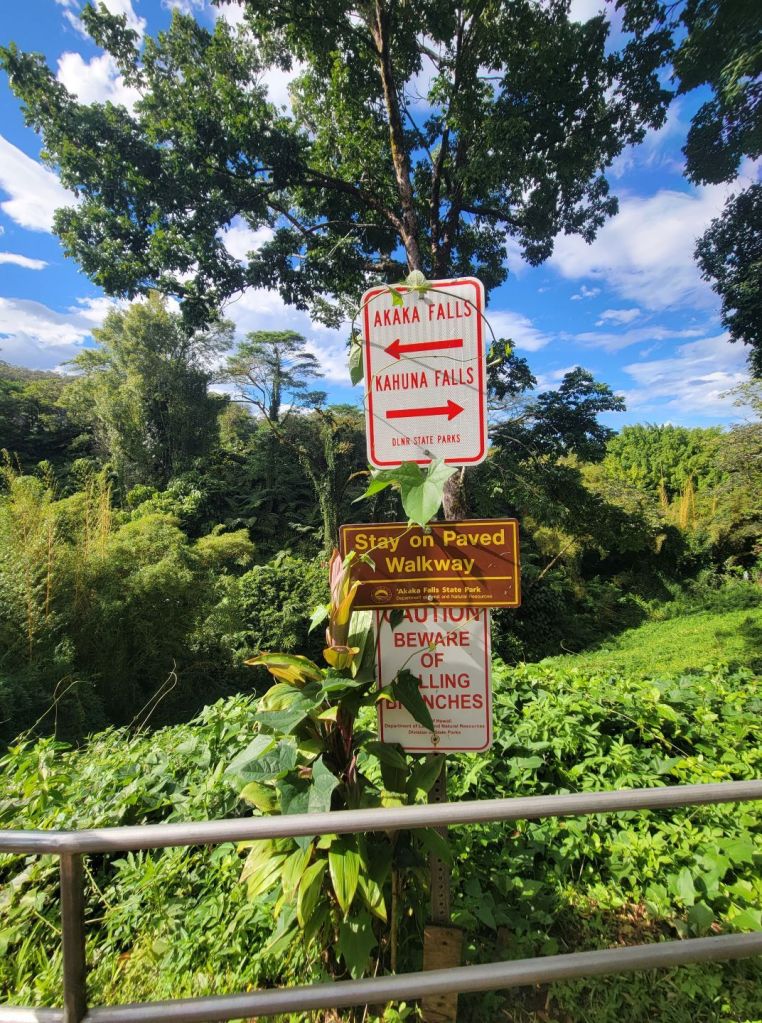
Stay on the trails – follow the signs, rules and guidelines of the park or trail.
Most importantly, be a good person. Don’t steal, don’t hurt others, and remember that we all have the right to experience and the responsibility to share these beautiful landscapes.
Now that you’re ready to do your part and make a difference, I highly suggest reading What You Can Do Right Now To Protect National Parks & Forests!

Unless we unite in being mindful stewards, our beloved parks and forests could suffer from the uneducated or careless public causing long term damage.
Maintaining a happy, safe, and respectful relationship with fellow adventurers and our planet is paramount in not letting these funding shortages affect the parks, fields, and forests that we know and love.
Thanks for reading, happy adventuring!
-Jessica C.
 Bigfoot's Friend
Leave a reply to Earth Day: Changing The World Through Eco-Activism – Bigfoot's Friend Cancel reply