I’m sure you’ve read at least one of the hundreds of articles circulating about the mass firings in the National Parks Service and U.S. Forest Service.
These unexpected staff shortages and funding cuts to our public lands systems can ultimately lead to fewer educational programs, reduced maintenance on trails and facilities, and further limit services for locals and visitors.

Having fewer rangers and workers will make it more difficult to maintain trails and boardwalks for safety.
Additionally, some facilities may close due to lack of staffing, and response times for emergencies could increase with fewer helping hands available.
If you want to know how these funding shortages will affect your next visit, check out NPS Staff Massive Firings: What Every Visitor Needs to Know to learn more!
But I’m not here today to talk about problems, I’m here to talk about solutions.
While we can talk, debate, and complain about the decisions that have been made all day long, realistically, the best thing we can do going forward is to get involved!

Doing Your Part To Help
A shortage in funds doesn’t mean that we have to let our favorite trails, parks, and forests fall into disrepair.
All that it took to uphold our beloved trails and parks before was the time and energy of someone who cared, and that’s something that no one can take away from us.
Here’s what YOU can do to make a difference.
Volunteer Your Time.

Volunteer work has always been the backbone of communities across America. One of the best ways to help is to get your hands dirty!
Through the volunteer programs below, you can have incredible experiences alongside other nature enthusiasts doing things like:
- Rebuilding trails.
- Conducting botanical research.
- Monitoring wildlife.
- Replanting forests.
- Participating in search and rescue operations.
- Hosting campgrounds.
- And so much more!
Volunteer for National Parks Service
Volunteer for U.S. Forest Service
Join the mission to preserve and protect our national lands!
Pack it in, Pack it out.

Listen, this is seriously one of the most simple, yet monumental ways that you can make a huge difference.
Don’t leave your garbage.
Pack it with you until you find legitimate disposal services.
Every single person who doesn’t drop garbage on the ground today is making an important contribution, just by being a mindful and respectful person!
Be Kind.

Maintaining a peaceful and respectful environment with your fellow adventurers is so important.
You can change the course of your whole adventure (and others) simply by being polite, respectful, and kind to those around you.
We are all here to enjoy the outdoors, and there’s plenty of room for everyone!
Help Protect Wildlife.

One of the important roles that our park and forest rangers take on is protecting the natural environments and the wildlife that inhabit them from uneducated or careless tourists and visitors.
We’ve all seen the videos of people at Yellowstone National Park trying to pet the buffalo (please, don’t do this).
But what we don’t see often enough is others stepping up and saying something when they see something, often resulting in either the tourist or the animal being harmed.
The basic guidelines for a wildlife encounter are:
- Do not approach – In fact, keep a significant distance away from the animal. A minimum of 25′ is required, however some more aggressive animals need more space.
- Do not feed the animals! The food we eat is not meant for animals to eat. Wild animals which are fed by humans become desensitized, increasing their risks of being hit by cars or facing being euthanized after getting comfortable around humans, putting visitors in danger.
- Do not touch the animals. This should be easy since you will be maintaining a safe distance from them!
- Some animals require special safety maneuvers. Moose, bears, wild cats, alligators, and many other larger predators have their own set of rules when it comes to keeping them and yourself safe during an encounter in the wild.
I suggest doing some research on what types of wildlife inhabit the area where you plan to recreate so that you are educated in what to watch out for, and how to safely navigate an interaction with a wild animal.
Help Preserve the Habitat.
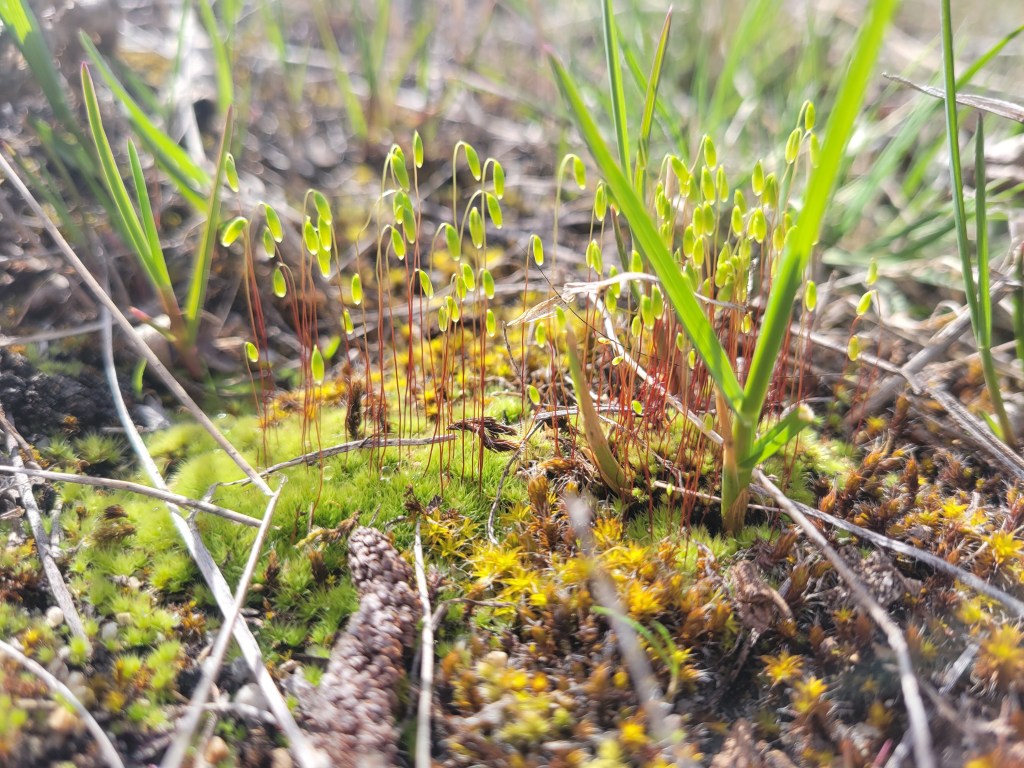
Additionally, touching or stepping on plants can damage them or even spread botanical diseases from one plant to another.
Some plants can be dangerous for people, too. Poison ivy, oleander, and other native plants can cause negative symptoms even just from touching the plant.
I suggest doing some reading about which plants inhabit the area where you plan to recreate so that you are educated in what not to touch, and how to treat any symptoms if an accident occurs.
And please, don’t let other people harass animals or destroy natural environments. Instead of being the person who takes their phone out to record, be the person who speaks up to educate the public and protect what doesn’t have a voice.
Be the Lorax!
Volunteer For Search Teams.

One of the most inspiring and vital duties performed by employees, rangers, and volunteers of the USFS and NPS, is carrying out search and rescue missions.
Thousands of people go missing in our parks and forests every year. From hikers and campers, to hunters, fishermen, and regular park visitors – it’s easy to get lost out there.
Thanks to many volunteers, rangers, and emergency services, most of these people who find themselves lost are able to be recovered and brought home safely.
Finding someone lost in the wilderness is not an easy task, though. These operations can take hundreds of people, thousands of man-hours, and often require the use of helicopters or other costly equipment.
Reportedly, the NPS spends roughly $6-$7 million annually on search and rescue operations.
The best way to start the volunteer process is to look into your local search and rescue teams or visit your local Forest Service or National Park visitor center to get more information.
You have the opportunity to help change lives and make a profound difference.
Be Patient With The Rangers

Honestly, they’re doing their best.
Especially in light of many of these people having lost their favorite work buddies and suddenly being short handed, sometimes the best way you can help is to be patient with them.
I know how much everyone hates waiting in line, or wasting time on a day that you have dedicated to adventure.
Fortunately, you have the ability to arrive earlier than you would usually plan to, and choose to be patient, kind, and respectful while these employees and volunteers do their best to make sure that we can have a fun and safe adventure today, and 25 years from now.
With all of us working together, we can lighten the load on our beloved park rangers and other staff, and help build a better generation who is mindful of protecting the natural wonders of our beautiful country and respecting each other.
Be The Change You Want To See In The World.

At the end of the day, we all just want to be able to take our day hikes, weekend trips, and family vacations in this beautiful country that many of us call home.
By working together, we can help avoid putting the long-term health of these protected areas at risk, making it more important than ever for communities and visitors to support conservation efforts and cooperate with park and trail guidelines.
Check out these helpful articles to learn more about small actions you can take to help encourage the health and longevity of your favorite public lands!
Simple Ways You Can Make A Difference: Sustainable Foraging
Mushrooms: Best Tips And Methods For Foraging
Thanks for reading, and thanks for doing your part in helping care for our beautiful earth!
-Jessica C.
 Bigfoot's Friend
Leave a reply to sudha verma Cancel reply