For many foragers, searching for wild asparagus is a springtime tradition. It’s like an Easter egg hunt for the grown-ups who love nature, fresh air, and delicious, seasonal food!
There’s something so exciting about the thrill of spotting those first little green spears poking through the earth — meaning wild asparagus season has arrived.
Wild asparagus (Asparagus officinalis) is the same species as what you’ll commonly find in grocery stores. But, in the wild it grows sweeter, more tender, and of course it’s even more rewarding to enjoy after harvesting it yourself.
If you’ve never gone asparagus hunting before, this spring is the perfect time to start!
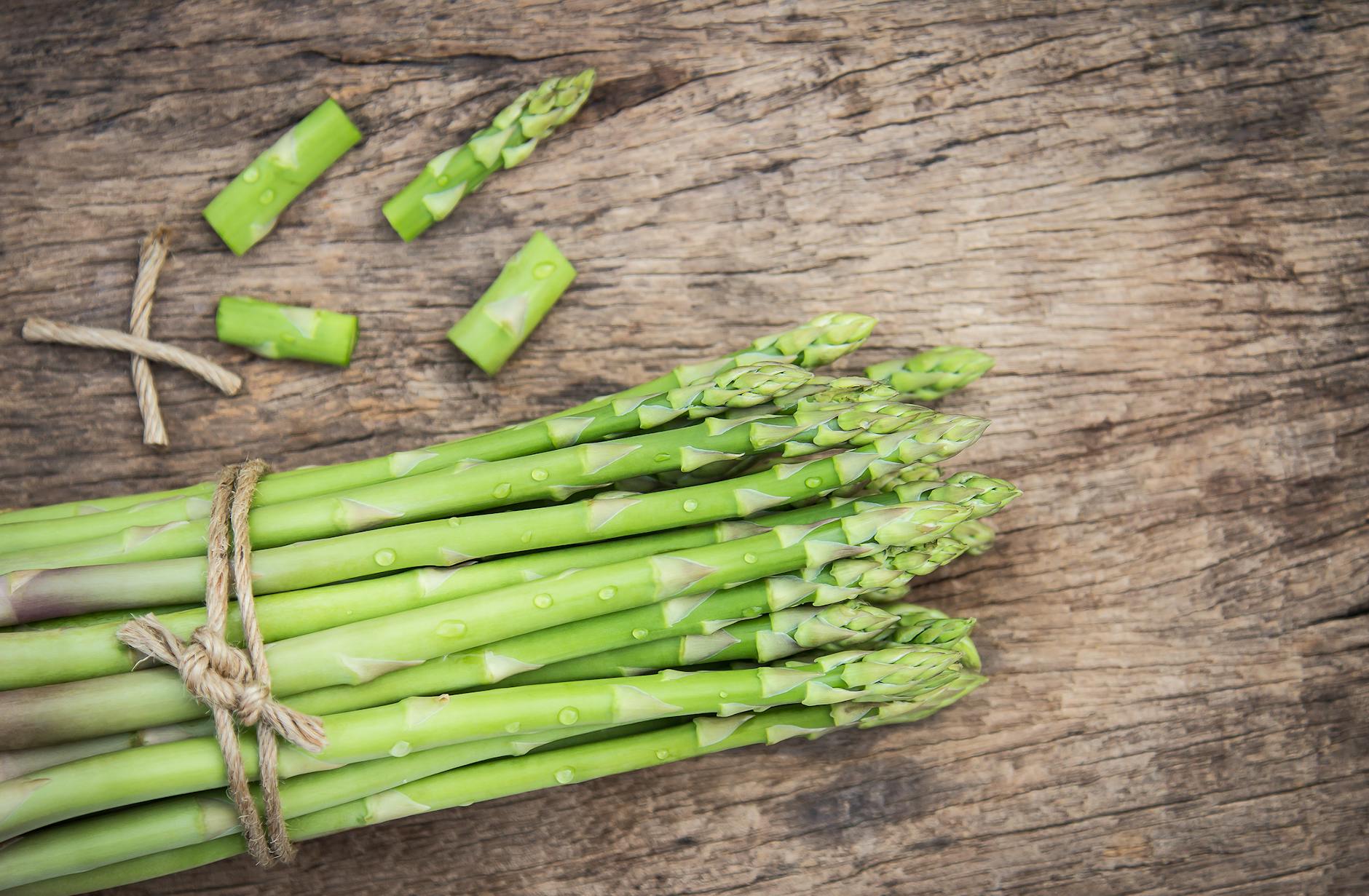
When And Where To Look For Wild Asparagus
Wild asparagus likes to grow in sunny, open areas with good drainage in the soil. From seed, asparagus can take 2-3 years before reaching maturity for harvesting, which makes wild asparagus spots sacred, and often kept secret.
In the northwestern United States, you’ll often find them near:
- Fence lines
- Along ditches
- Meadows
- Pastures
- Even the edges of gravel roads
The season typically starts in mid to late spring, depending on the weather. Keep an eye on the soil temperature— the asparagus will begin to grow once it’s consistently above 50°F (10°C).
Some say watching for lilacs blooming or cottonwood trees leafing out is a good natural indicator that it’s time to start looking.
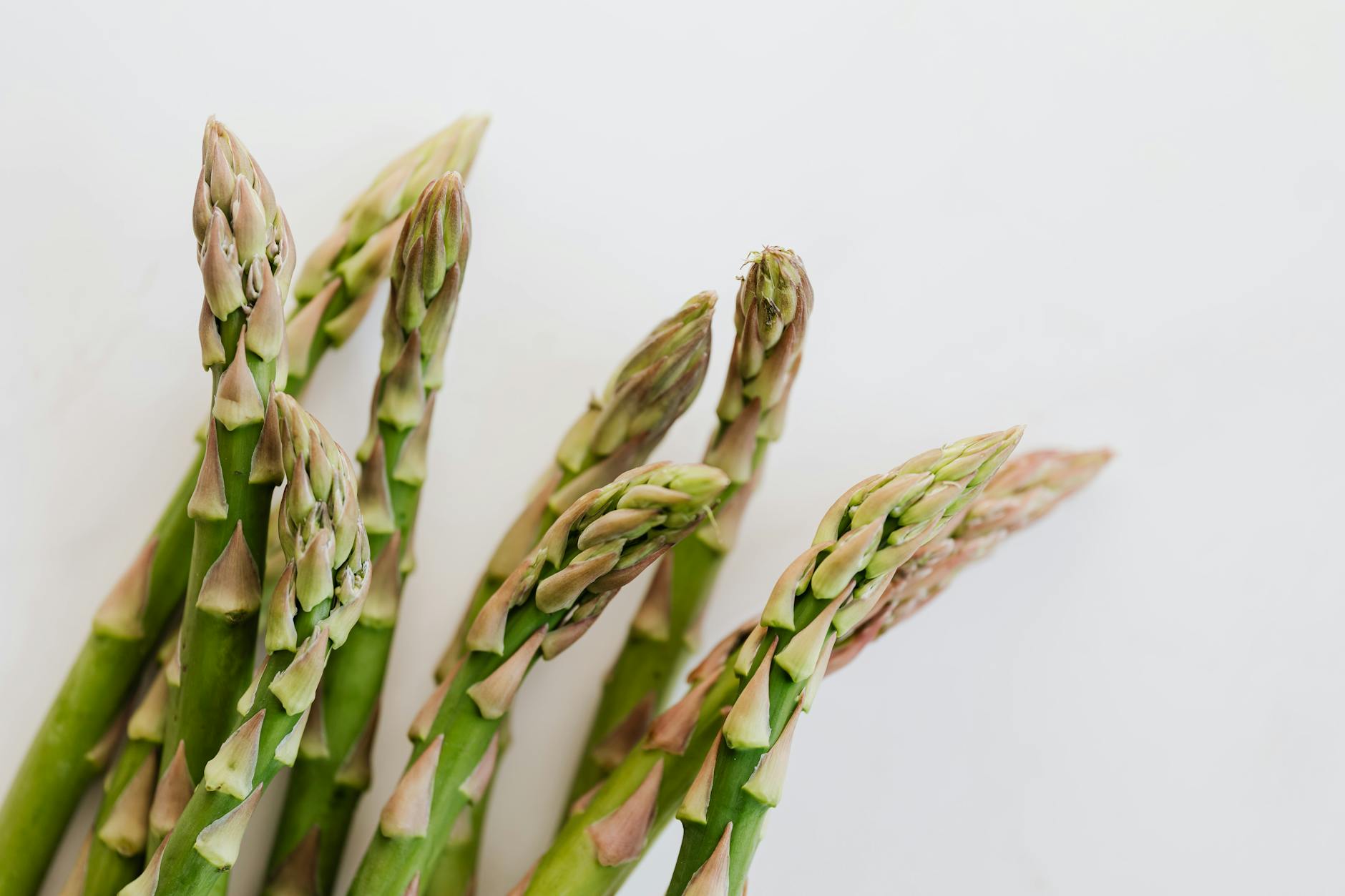
How To Identify Wild Asparagus
Wild asparagus is sneaky. It blends right into tall grass and reeds, and its early shoots are easy to overlook. Keep an eye out for:
- Thin, bright green spears standing upright
- Tight, pointy tips (before they “fern out”)
- A smooth, firm stalk
Once the spears get too tall, they become woody and tough and will begin to flower at the top.
But if you do find a patch where the asparagus has already gone to seed, mark the spot! Those tall, feathery “asparagus ferns” are easy to spot later in the season and will help you return to the same place earlier next spring.
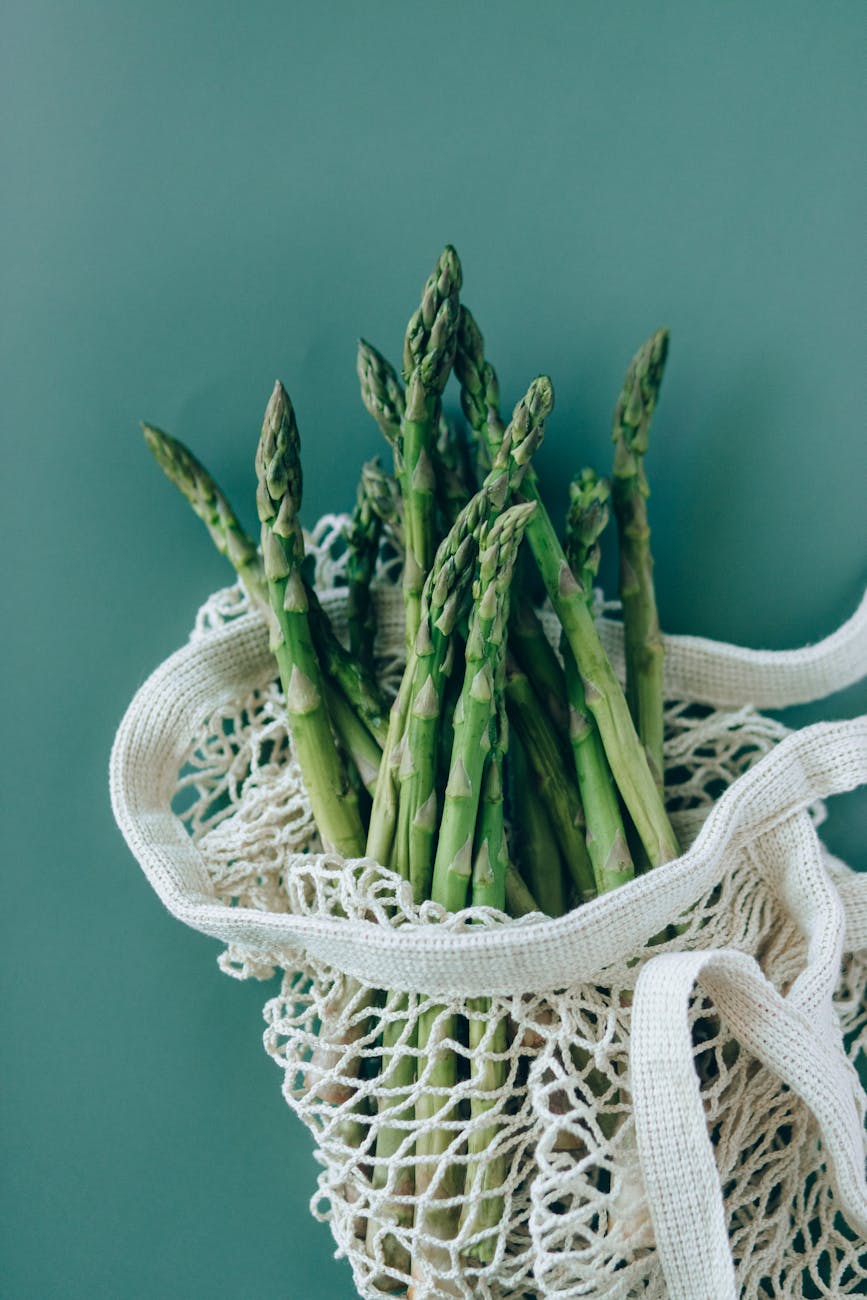
Tips On Harvesting Wild Asparagus
I suggest using a small knife or just your fingers to snap the spears off near the base. They’re tastiest when they’ve grown about 6–10 inches tall.
Remember to be cautious with your footing to not damage the patch, and leave some spears behind to keep the asparagus there healthy and coming back year after year.

Simple Ways To Enjoy Wild Asparagus
There’s no need to overcomplicate such a perfect ingredient. A few favorite ways to enjoy your wild asparagus are:
- Pan-seared with butter and garlic – A quick sauté brings out its sweet flavor.
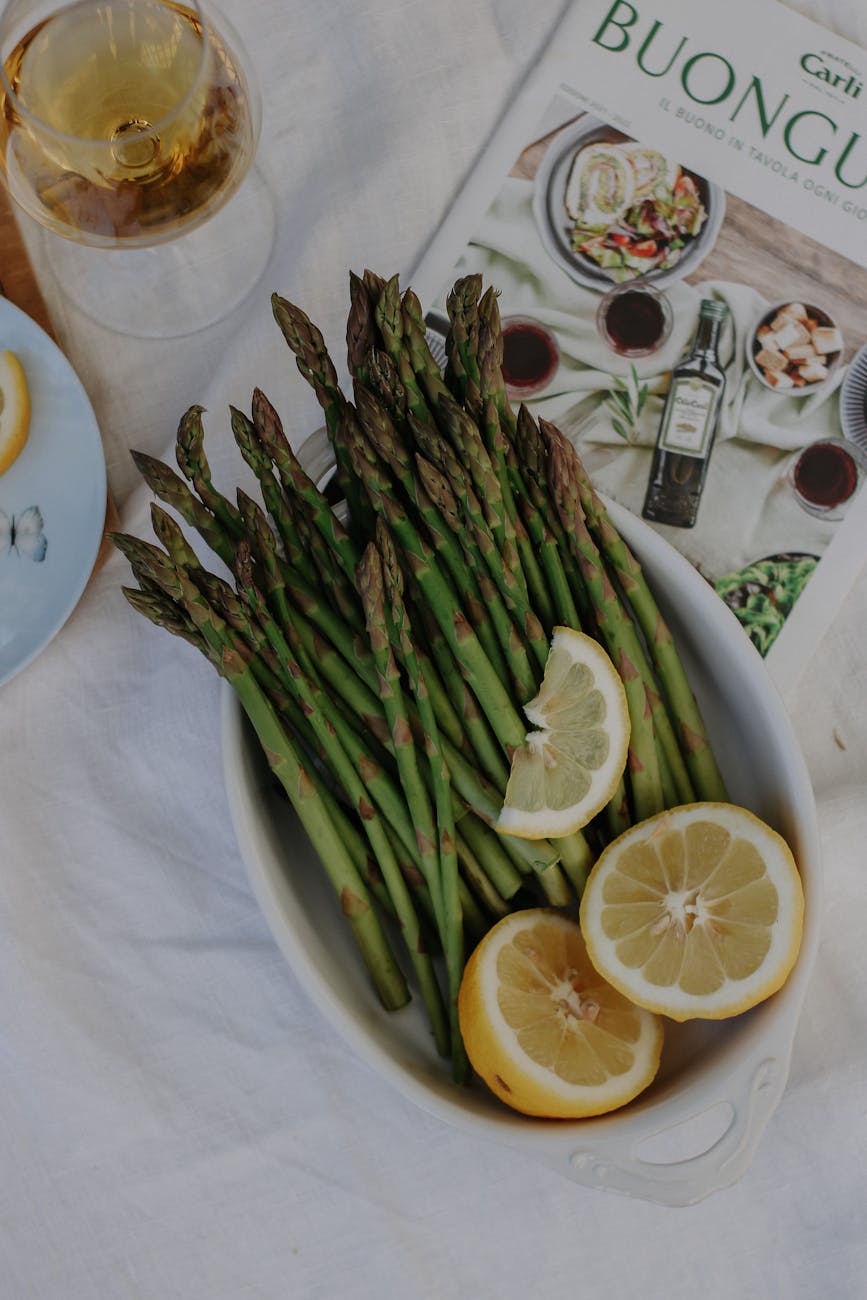
- Roasted with olive oil and lemon zest – With bright and fresh flavors, this is a perfect side dish for spring dinners.
- Tossed raw into salads – Slice very thinly and let that crisp bite shine!
Remember to always wash your wild harvests thoroughly! Nature is full of dirt, bugs, and a lot of other things that you don’t want to eat. Always wash your findings well before eating.
A Sign Of Spring
Foraging wild asparagus is a peaceful way to reconnect with nature, the seasons, and the food growing all around us.
It’s a small adventure that brings a big reward—not just in flavor, but in the joy of slowing down and savoring the moment.
Whether you’re an experienced forager or just starting out, keep your eyes open this spring—you never know what green treasure might be waiting in the grass.

Thanks for reading, and happy foraging!
-Jessica C.
 Bigfoot's Friend
Leave a reply to What Even Is Foraging? A Beginner’s Guide to Getting Started With Wild Food – Bigfoot's Friend Cancel reply