I haven’t made an addition to my Tiny Things With Big Impacts series for a while; but my husband let me know this morning that the month of May is celebrated as National Honeybee Awareness Month, and the other day, May 20th, was World Bee Day – and bees are certainly something tiny with a BIG impact.
So, let’s talk about the bees!
As an Amazon Associate, I may earn a commission from qualifying purchases made through the links provided on this page at no additional cost to you!
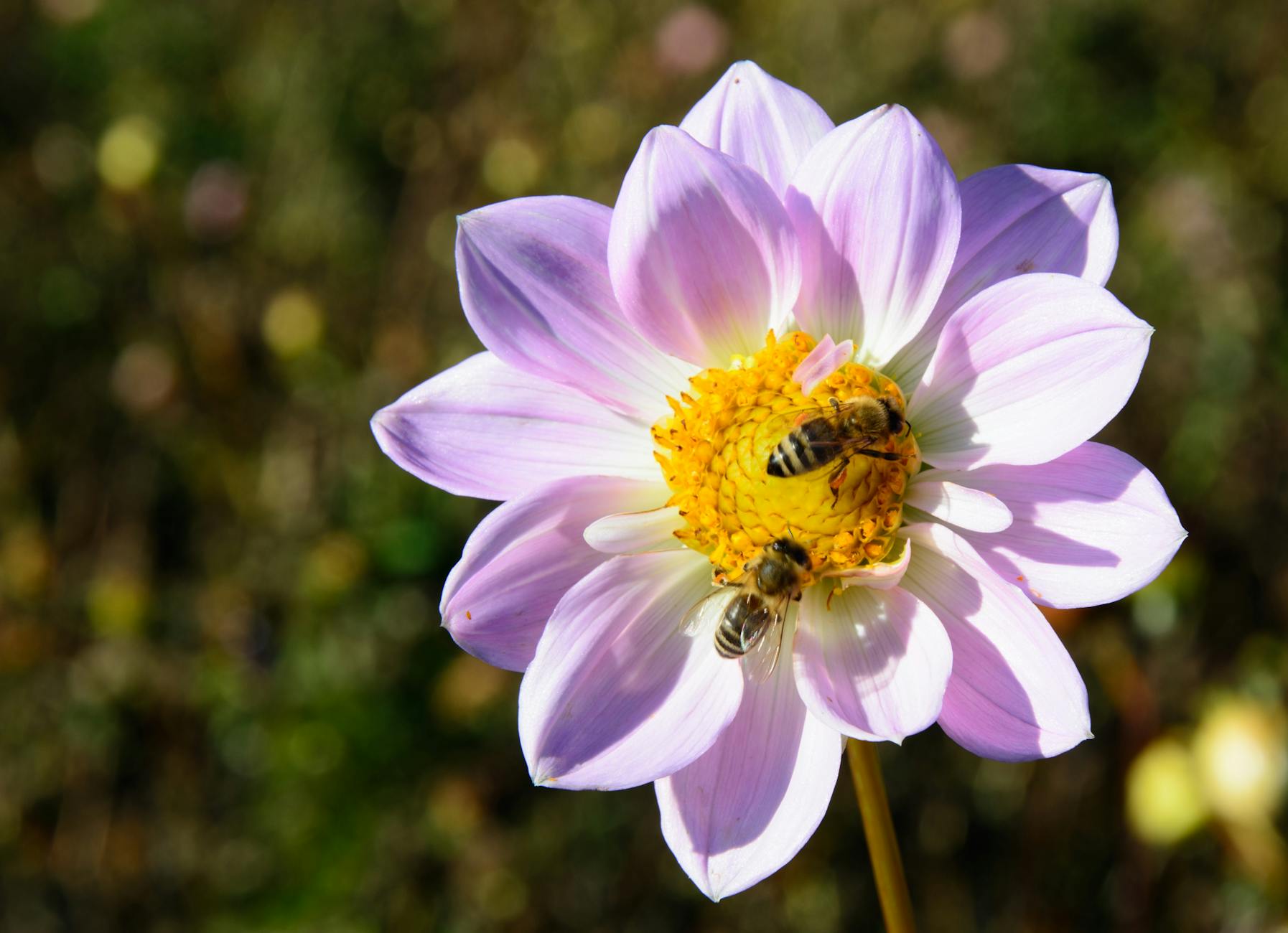
Bees Important Contribution
I think most of us grew up learning about bees and the important role they play in our ability to have and enjoy a whole world of vegetation.
Bees are one of the main pollinators in our world. While birds, butterflies, moths, wasps, and a few other small winged creatures are well known pollinators – the speed, efficiency, and mass numbers of bees keep them in the #1 spot, year after year.
Without the bees pollinating our crops, gardens and fields, we would lose the ability to grow nearly a third of our fruits, vegetables, and nuts – which would cause major food shortages and health deficiencies world wide.
Ensuring that our world continues to have healthy, prominent colonies and hives of bees across the globe will actually help ensure the longevity and prosperity of mankind!
Extinction of Bees
I’m sure you’ve heard that there are many species of bees on the brink of extinction, and they have been for quite a while.
In 2025, there have been over 20,000 species of bees identified worldwide, with reportedly around 5,000 of these threatened by extinction.
The good news about this, is that we have been aware of their decline for a long time so we have been able to get involved and do our part to help keep these vital species of bees alive and thriving.
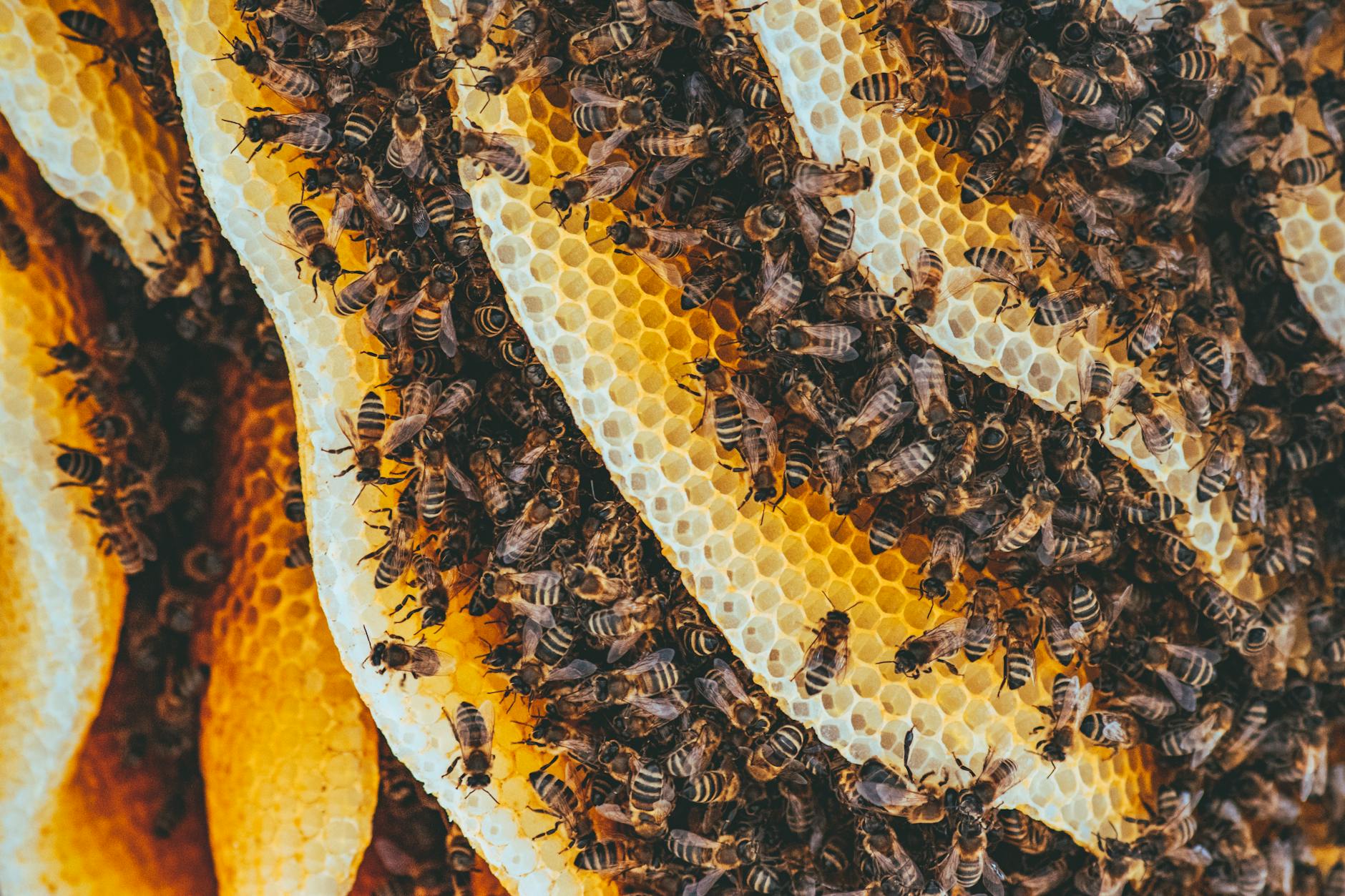
How YOU Can Help Save The Bees
Gardening – One of the best contributions you can make to the life of the bees is by planting gardens! Flowers, fruits, and vegetables alike all require pollination which draws in the bees for the nectar and gives them the nutrients they need to thrive.
Re-homing – If you ever find yourself with an undesired swarm of bees nesting on your property and you don’t know what to do with them, my best suggestion is to find a beekeeper! Reaching out on local social media pages or even a simple internet search can help you find local beekeepers who will come gather, remove, and re-home your swarm of bees – usually free of cost!
Bee Hotels – If you are the type of person who would enjoy having your own swarm of bees, you certainly can create habitats or “bee hotels” on your property to help give the bees a place to safely build a home!
Here is a great option for a Bee Hotel that you can have at home!
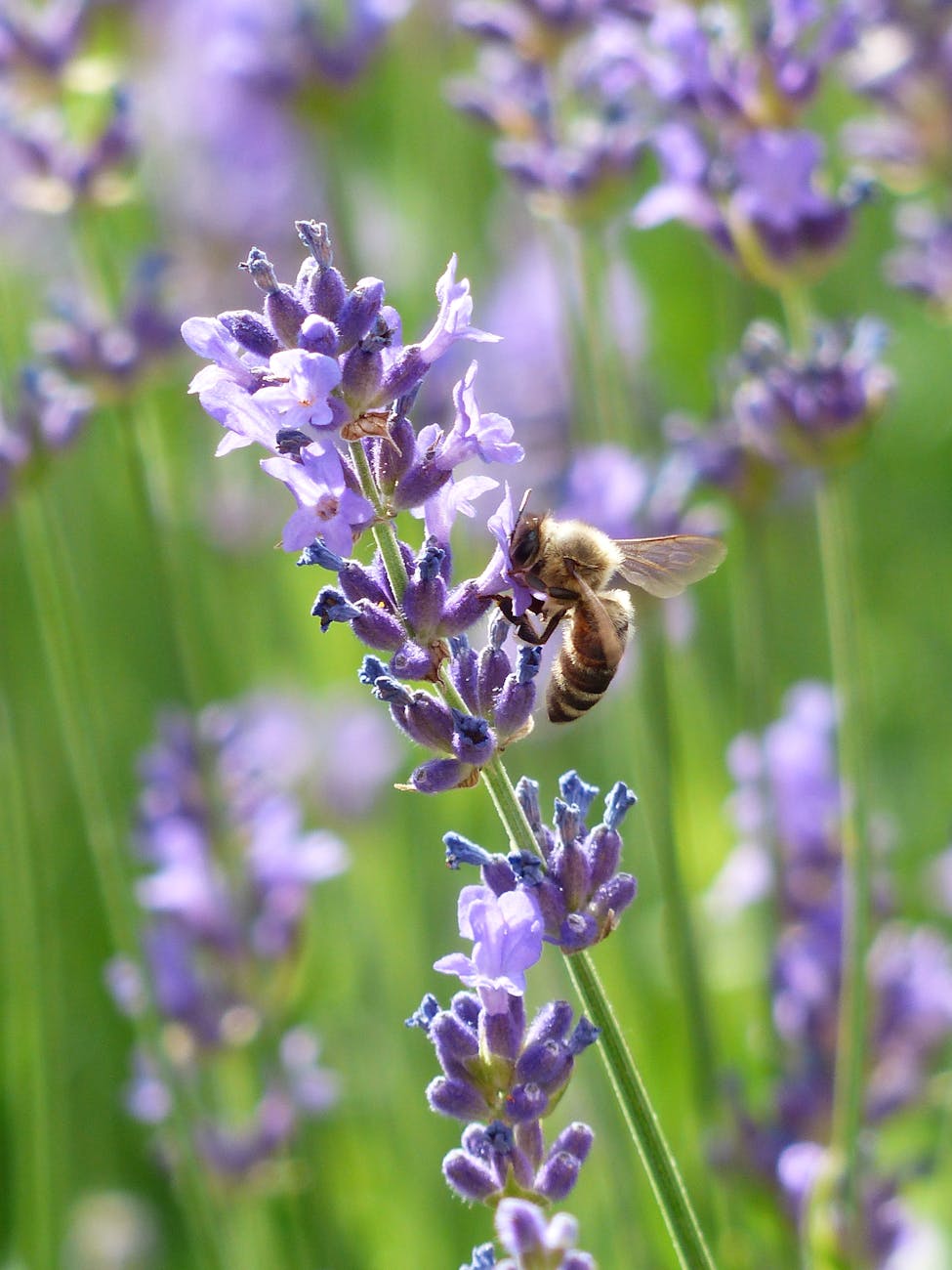
Fun Facts About Bees
During my research, I found some interesting information about bees that I thought you would like to know!
- Bees Can Recognize People
Just like we recognize our friends and family, bees can remember and identify human faces using a unique pattern recognition process. This was discovered though a study to see if bees could recognize their Beekeepers over other people, and it worked! - One Teaspoon of Honey = 12 Bee’s Lifetime’s
A single honeybee only makes about 1/12th of a teaspoon of honey in their entire life. This means it takes 12 bees their whole life to make 1 teaspoon of honey, and it takes hundreds for a simple jar of honey! - Bees Can Create Up To 2 Pounds of Honey Per Day
A healthy and thriving colony of bees can produce up to 2 whole pounds of honey in a day! This feat requires thousands of bees working together, and working hard. - Bees Do a “Waggle Dance” to Talk to Each Other
When a bee finds a nectar-filled flower patch, they will return to the hive and do a special “waggle dance” to tell the other worker-bees what they found and where to find it. It’s their way of giving directions, but cuter! - Bees Will Fly 55,000 Miles for One Pound of Honey
To make a single pound of honey, thousands of bees collectively fly the distance of more than two trips around the Earth back and forth from flowers to their hives. Talk about dedication!
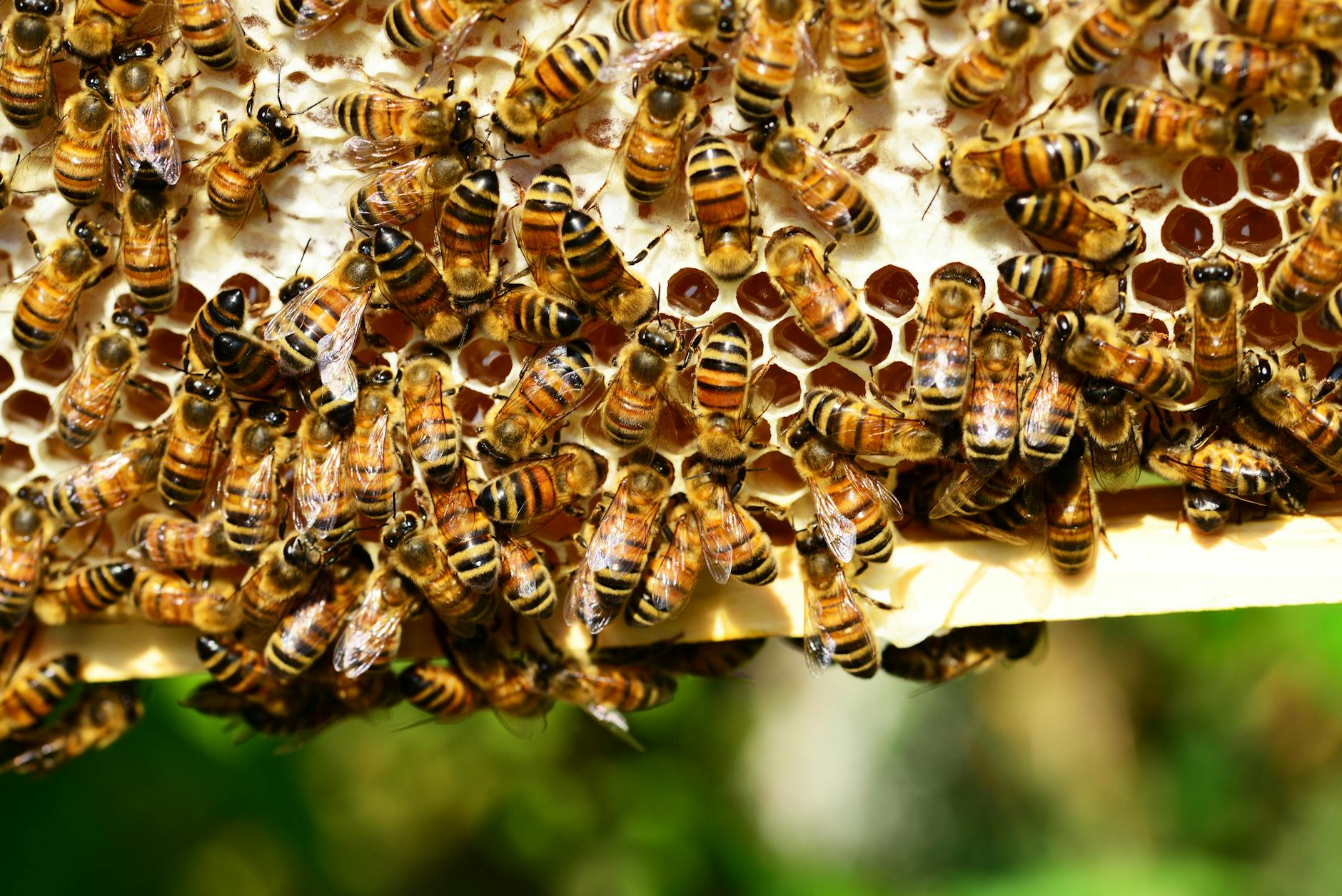
Overall, bees are an important piece to our ecosystems and environments. Without them our food production would significantly decline, as well as many of the beautiful plants that we know and love.
So plant some flowers, learn about your local bees, and make a contribution to the great cause that is keeping the bees alive and thriving!
Thanks for reading!
Jessica C.
 Bigfoot's Friend
Leave a reply to Priti Cancel reply