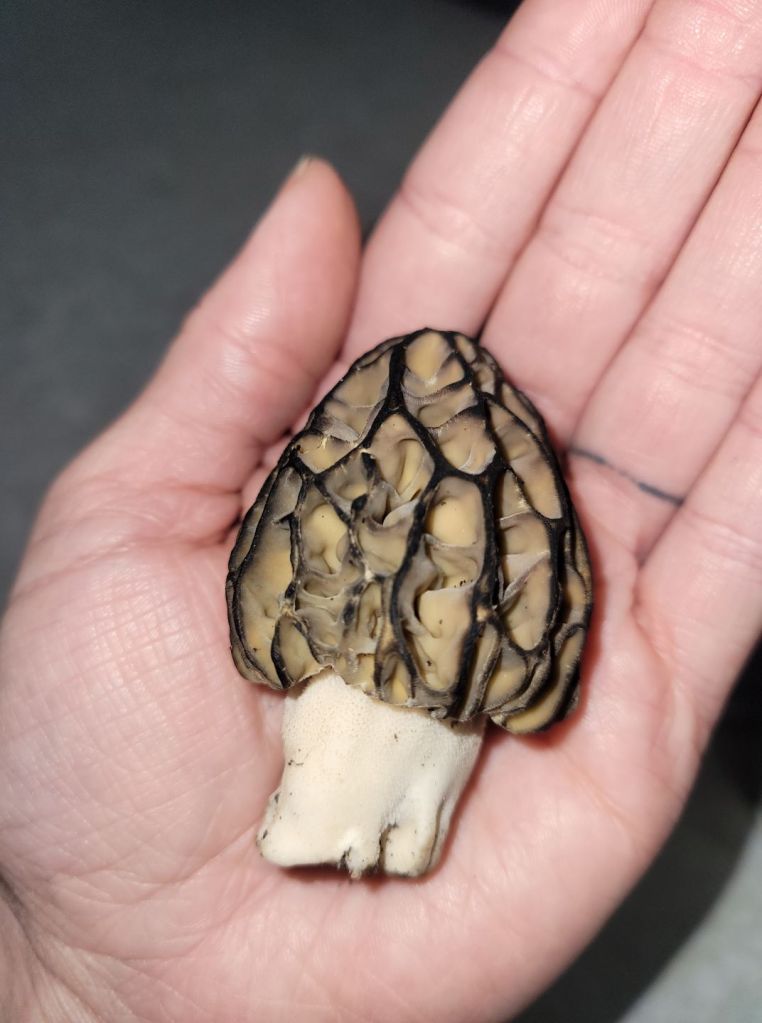
Let me guess—you saw someone on TikTok or Instagram holding a basket full of mushrooms in the forest and now you’re wondering if you, too, can become a woodland snack collector.
Well, that’s how I got started anyway.
And the good news is: you can too! Even better news? You don’t need to be a wilderness expert or have a background in botany to start foraging. You just need curiosity, a bit of determination, and the willingness to slow down and pay attention to what’s growing around you.
So, what even is foraging?
Foraging, In Simple Terms
Foraging is the act of gathering wild plants, mushrooms, berries, nuts, sap—basically any edible thing growing in nature that hasn’t been planted on purpose. It’s something humans have done forever (like, pre-grocery-store forever), and it’s still a legitimate way to get food, medicine, and even makings for teas and other yummy edibles from your local environment.
Think of it as wild grocery shopping, if the grocery store were made of trees, had no employees, didn’t charge you anything, and occasionally tried to poison you. (We’ll get to safety in a second.)
Why People Are Getting Into Foraging
Foraging has been having a bit of a come-back lately, and for good reason. Here are a few reasons why it’s trending:
- It’s free food. In this economy? Yes please.
- You get outside. Vitamin D, fresh air, peace and quiet—what’s not to love?
- You learn cool stuff. Every plant has a name, a purpose, and a season. You’ll pay more attention to weather conditions, soil types, and so much more about your local environments.
- It feels good. Seriously. It’s grounding, satisfying, and surprisingly therapeutic. Plus, there’s some pride to be had in eating dinner that you found and picked – straight from the forest!
According to a recent survey by the National Recreation and Park Association, around 25% of Americans have tried foraging or are interested in learning. That’s a lot of people out there picking berries instead of overloading on screen time!
What You Can Forage (And What Beginners Should Start With)
Not everything in the forest is good for dinner, but here are some beginner-friendly picks that are easy to identify and hard to mix up:
- Wild berries – Like huckleberries, blackberries, and elderberries.
- Greens – Think ramps (wild onion), opium lettuce, or asparagus.
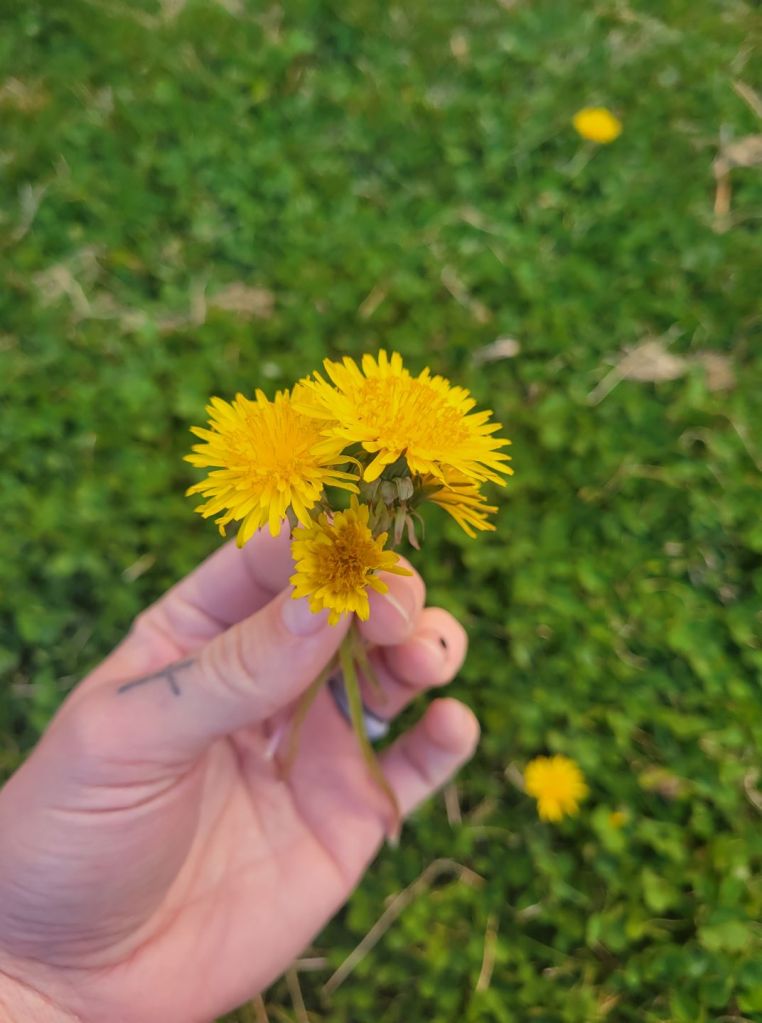
- Edible flowers – Violets, dandelions, wild roses.
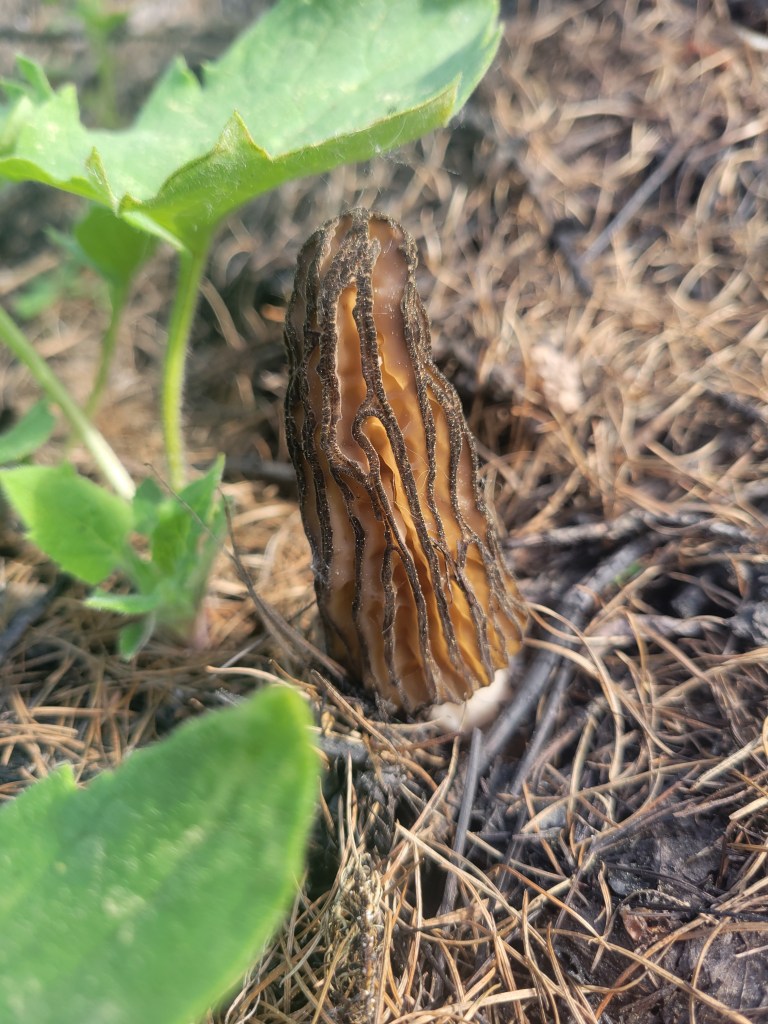
- Mushrooms – Morels, oysters, chanterelles, puffballs. Use extra caution when foraging mushrooms – many mushrooms are only edible once (if you catch my drift) and proper identification can take some training.
- Herbs & tea plants – Like mint, nettle, yarrow, and lemon balm!
Pro Tip: Starting with plants is a little easier than with mushrooms. Mushrooms are awesome, but the ID rules are stricter, it’s a little easier to confuse different species, and some of them can seriously ruin your week.
How To Start (Without Getting Overwhelmed)
You don’t need to know the entire forest to begin. Here’s how to ease in:
- Pick one plant. Learn to ID it, find it, and use it. That’s it. Once you get comfortable with one plant, you can apply the same process to other plants and mushrooms!
- Get a good field guide. Be cautious of AI written field guides and ID apps, as they are not always accurate and have already caused incorrect identification issues for some people. Get a field guide written by a trusted author or group of authors.
- Join a local foraging group. Facebook, Meetup, or local hiking clubs often host plant walks and group hikes and it’s a great way to meet other foragers to learn from.
- Take photos. Even if you’re not picking anything yet, taking pictures can help you with future identification, cross referencing, and even at-home studying during the off-seasons.
- Keep a notebook or use your phone. Jot down what you find, when, and where! You can even drop pins where you’ve found plants or mushrooms in different mapping apps and take notes on what you found, the weather, the season, and any other helpful information.
You’re not cramming for a test—you’re learning a language. Take your time, absorb the information, and go slow.
Safety Basics You Need To Know
Yes, some plants and mushrooms are toxic. Yes, people have made mistakes. But with basic caution, you’ll be fine. Here’s the golden rule:
If you’re not 100% sure, don’t eat it.
Other important safety tips:
- Don’t rely on one source—always cross-reference IDs with reliable field guides or trusted foragers.
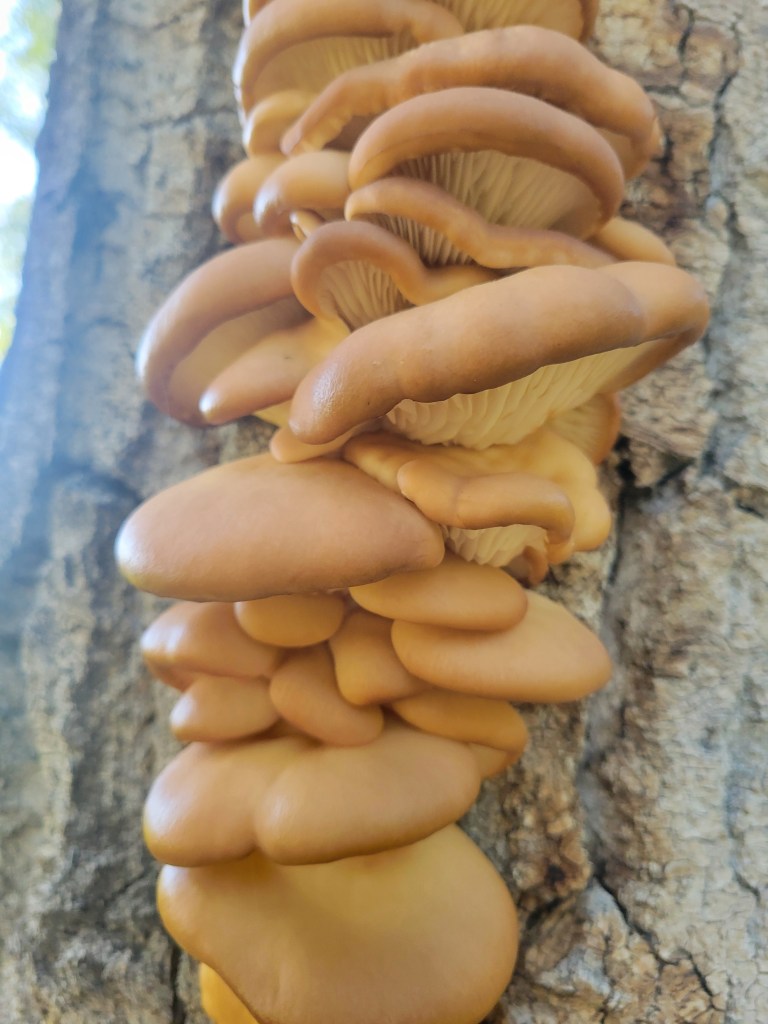
- Be wary of dangerous lookalikes (like Jack O’lantern mushrooms commonly confused with Chanterelles).
- Avoid foraging next to roads, polluted areas, or areas sprayed with pesticides. Additionally, always be sure you are foraging on land where it is LEGAL to forage, and never ever forage on private land without the landowners permission!
- Try small amounts of new wild foods at first to test your reaction. Some people have allergies or sensitivities to foods that they aren’t used to eating. Take it slow – it may save you a stomachache.
- Know what’s in season and when! Learning which plants and mushrooms you can find in which seasons will help you plan your foraging adventures ahead of time and make a huge difference in your success.
Foraging Etiquette (AKA: Don’t Be That Person)
Responsible foraging means leaving the woods better than you found them:
- Only take what you need. Don’t over-pick a patch, bush, or tree.
- Leave enough for wildlife (Learn about the rule of thirds).
- Don’t trample, break, or dig up whole plants.
- Know and follow local laws and park rules.
- Never trespass!
Nature doesn’t belong to any one of us, it belongs to us all. So we have to share resources responsibly and with respect for the environment and for others.
You’re Ready To Get Started!
You don’t need to be an expert, a survivalist, or a cottagecore influencer to start foraging. You just have to want to know your environment a little better. Pay attention. Get curious. Start with a walk and see what you notice. The plants were there long before you—and they’ll teach you a lot if you’re willing to listen.
So go ahead. Take the long way on your next hike. Crouch down and look at that weird little mushroom. Google it. Wonder about it. That’s foraging too.
Welcome to the club!
Thanks for reading, happy foraging!
Jessica C.
 Bigfoot's Friend
Leave a comment